1951-D Wheat Penny Value Guide How Much Is Yours Worth
The 1951-D Wheat Penny is worth anywhere from $0.10 in heavily worn condition to over $15 or more in uncirculated grades — and high-quality examples can fetch significantly higher prices at auction. If you just found one in a jar of old coins, you’re in the right place to find out exactly what it’s worth.
Whether you’re a curious collector or someone who stumbled across an old penny in grandma’s change jar, using a free coin identifier app is one of the easiest ways to get a quick read on what you’re holding before diving deeper into research.
—
What Is the 1951-D Wheat Penny?
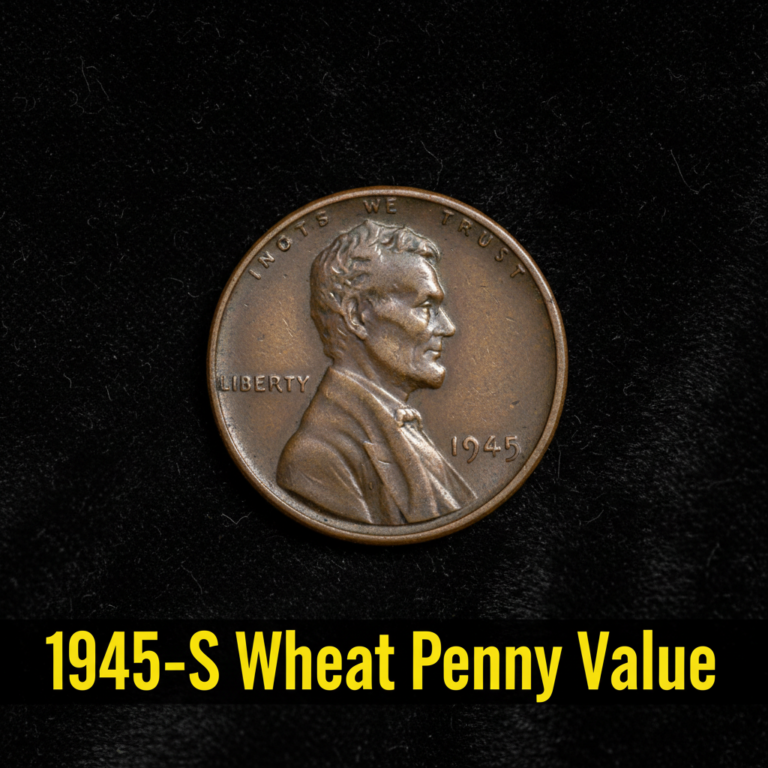
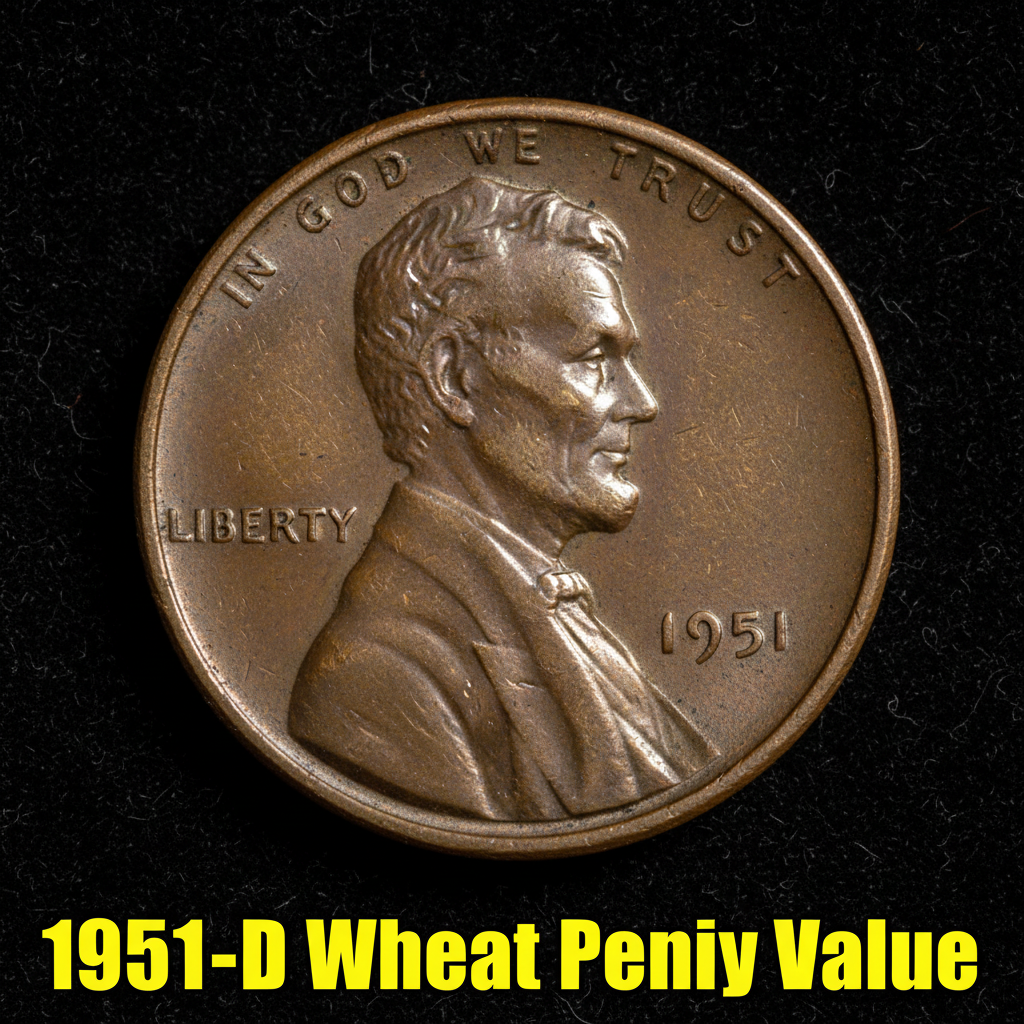
The 1951-D Wheat Penny is a Lincoln Wheat Cent minted at the Denver Mint in 1951. The small “D” mintmark on the obverse — just below the date — tells you where it was made. These coins were struck in 95% copper, giving them that warm reddish-brown color you’ve likely noticed. By 1951, the U.S. Mint was producing Lincoln cents in huge quantities, and the Denver Mint alone produced over 625 million of these coins that year. That’s a big number, and it’s one of the main reasons most circulated examples aren’t worth a fortune. But don’t toss it just yet — condition and specific varieties can make a real difference in value. The 1951-D Wheat Penny remains a popular date among collectors for its affordability and historical charm as one of the last Wheat Penny years before the design changed in 1959.
—
How Much Is a 1951-D Wheat Penny Worth?
Value depends almost entirely on condition. A heavily worn coin that’s been passed through countless hands for decades might only bring a few cents over face value in the collector market. But step up to a lightly circulated or uncirculated example, and the numbers get more interesting. For detailed and up-to-date pricing, you can check out the 1951-D Wheat Penny price data in MS Red grades to understand how color designation (Brown, Red-Brown, or Red) dramatically impacts certified coin values.
Here’s a general value chart to give you a starting point:
| Grade / Condition | Estimated Value |
|---|---|
| Good (G-4) | $0.10 – $0.25 |
| Fine (F-12) | $0.25 – $0.50 |
| Extremely Fine (EF-40) | $0.75 – $1.50 |
| Uncirculated (MS-63) | $3 – $8 |
| Gem Uncirculated (MS-65 Red) | $15 – $40+ |
| MS-67 Red (Top Grade) | $200 – $500+ |
—
How to Grade Your 1951-D Wheat Penny at Home
You don’t need to be a professional numismatist to get a rough idea of your coin’s grade. Start by looking at Lincoln’s hair above his ear and the lettering around the rim. On a well-worn coin, these details will be flat and faded. On a fine example, the hair lines are visible but slightly smoothed. An extremely fine coin shows sharp details with only light wear on the high points. A truly uncirculated coin will have no wear at all — and may still have some original luster or shine. CoinKnow makes this process much simpler by letting you scan your coin and get an instant condition estimate right on your phone, which is especially helpful if you’re new to grading.
Color also matters for uncirculated coins. A red (RD) coin retains its original copper shine, while red-brown (RB) has partially toned, and brown (BN) has fully toned. Red coins command the highest premiums.
—
Are There Any Rare 1951-D Wheat Penny Errors Worth Looking For?
Yes — and this is where things get exciting. While the standard 1951-D Wheat Penny isn’t rare, error coins from this year can be worth significantly more. The most common errors to look for include doubled die obverse (look for doubling in the lettering or date), repunched mintmarks (where the “D” shows signs of a second punch slightly offset), and off-center strikes (where the design is noticeably shifted). These errors are found through careful examination with a magnifying glass or loupe. For a comprehensive look at 1951 penny values including error varieties and mint state examples, it’s worth spending a few minutes going through the data before deciding whether to sell or keep your coin. CoinKnow can also help flag potential error characteristics when you scan your coin, giving you a head start before consulting a dealer.
—
FAQ
Q: Is the 1951-D Wheat Penny rare?
A: No, it’s not considered rare. With over 625 million minted, it’s one of the more common Wheat Penny dates. However, high-grade examples in MS-65 Red or better are much scarcer and can be quite valuable.
Q: Should I clean my 1951-D Wheat Penny before selling it?
A: Absolutely not. Cleaning a coin — even gently — removes the natural patina and can permanently reduce its value. Collectors and dealers strongly prefer original, uncleaned surfaces, even if they look dull or dark.
Q: How do I find out if my 1951-D Wheat Penny has an error?
A: Use a 5x to 10x magnifying loupe to closely examine the date, mintmark, and lettering for doubling, misalignment, or other abnormalities. You can also use CoinKnow to get a quick digital scan and comparison before taking it to a professional for authentication.