1952 Wheat Penny Value No Mint Mark What It’s Worth Today
The 1952 wheat penny with no mint mark is worth anywhere from $0.05 in heavily worn condition to over $10 in well-preserved uncirculated grades — and in top mint state, a gem example can fetch $50 or more at auction. If you just found one in an old jar or inherited a coin collection, you’re in the right place.
Before diving in, if you’re not sure what you’re looking at, using a free coin identifier app is a great first step. Apps like CoinKnow can help you instantly identify your coin, check its mint mark location, and get a quick ballpark value — all from your phone camera.
What Is the 1952 Wheat Penny No Mint Mark?
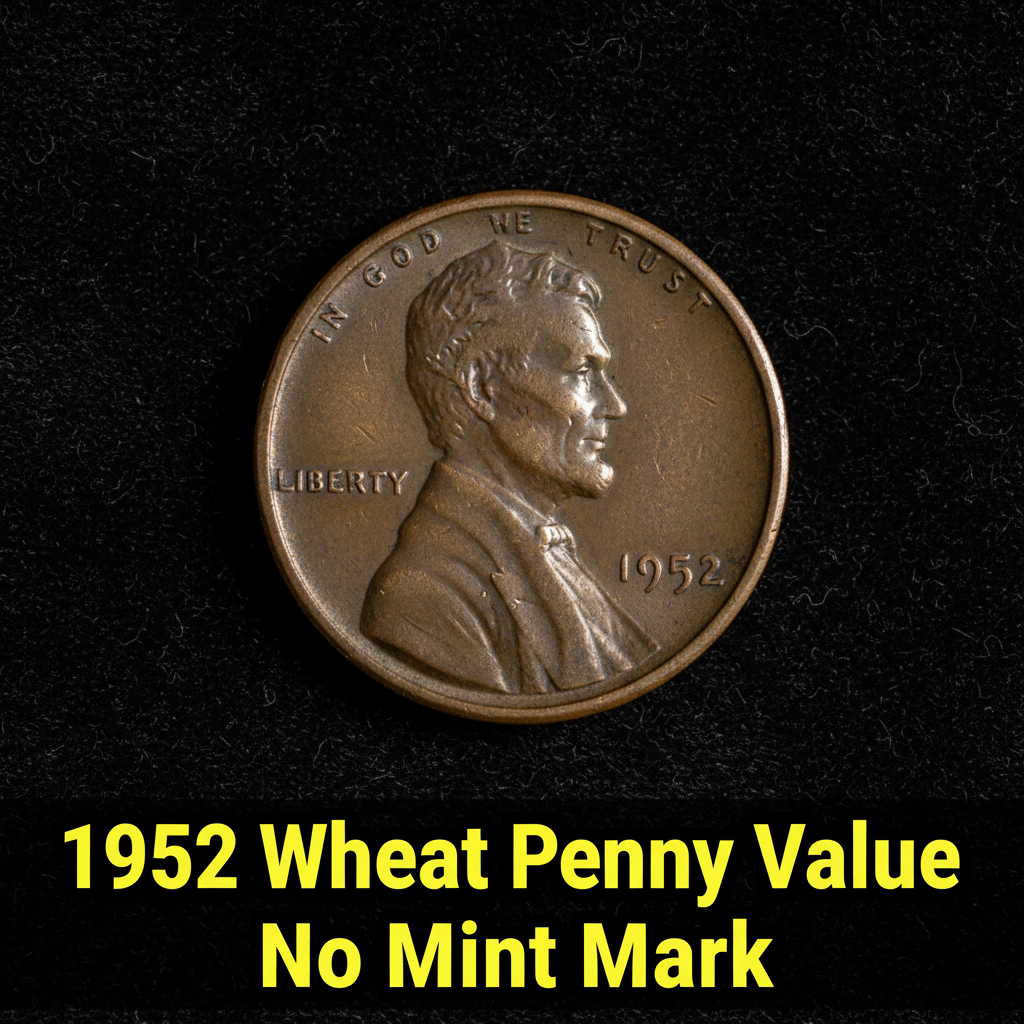
The 1952 Lincoln wheat penny with no mint mark was struck at the Philadelphia Mint, which was the standard practice at the time — Philadelphia coins didn’t carry a mint mark until 1980. In 1952, the Philadelphia Mint produced 186,856,980 pennies, making this one of the more common wheat cents from the early 1950s.
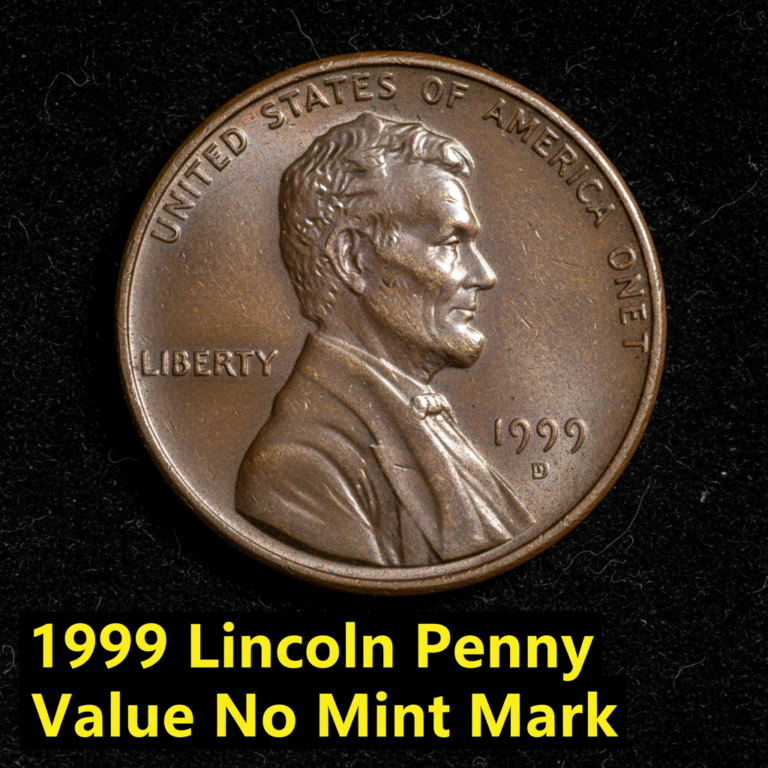
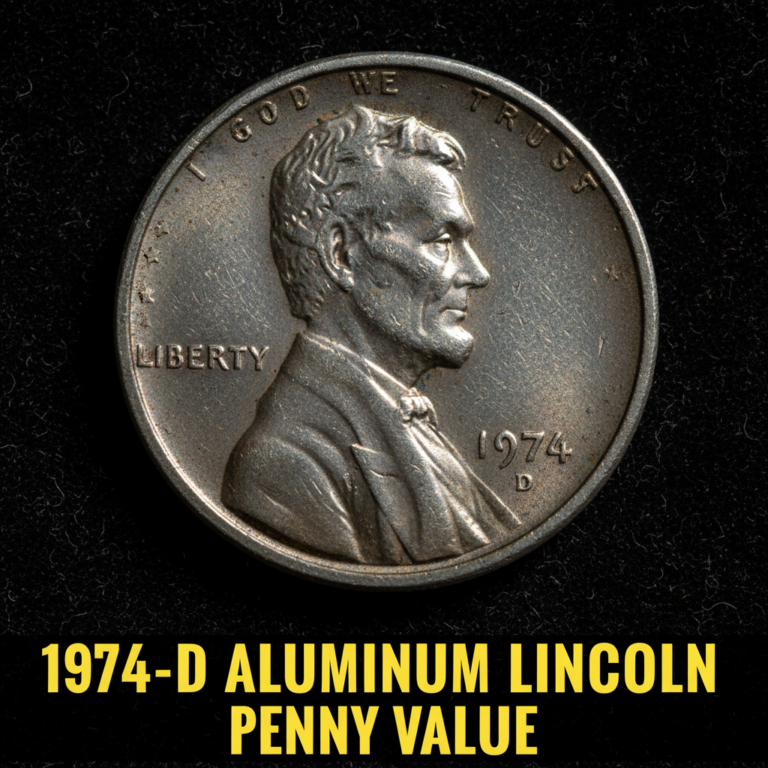
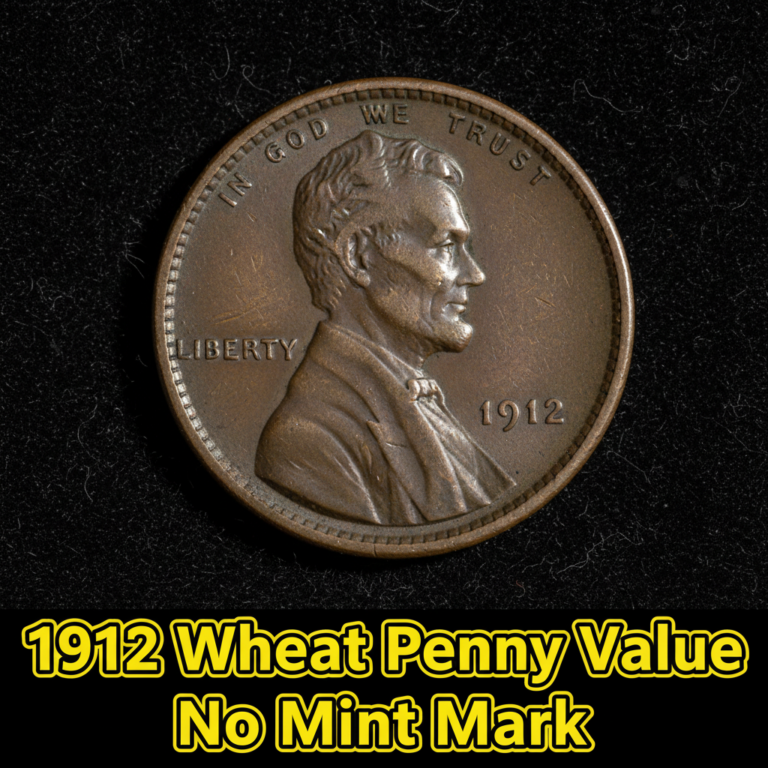
Designed by Victor David Brenner, the coin features Abraham Lincoln’s portrait on the obverse and two wheat stalks flanking the words “ONE CENT” on the reverse — hence the nickname “wheat penny.” These coins were minted from 95% copper, giving them that warm reddish-brown color you might recognize.
Because so many were made, finding one in your change jar or an old collection is pretty common. But “common” doesn’t always mean “worthless.” Condition is everything when it comes to coin values, and even a 1952 wheat penny in average circulated condition is worth a few cents above face value.
1952 Wheat Penny Value by Grade
Coin values depend almost entirely on condition, which coin collectors call “grade.” A coin’s grade is typically assigned on the Sheldon scale from 1 (Poor) to 70 (Perfect Mint State). Here’s a general value breakdown for the 1952 wheat penny with no mint mark:
| Grade / Condition | Estimated Value |
|---|---|
| Good (G-4) | $0.05 – $0.15 |
| Fine (F-12) | $0.25 – $0.50 |
| Extremely Fine (EF-40) | $1 – $2 |
| Uncirculated (MS-63) | $5 – $12 |
| Gem Uncirculated (MS-65 RD) | $20 – $55+ |
For more detailed and up-to-date pricing, you can check out the latest 1952 wheat penny MS Red price data to see how mint state examples have been trading at major auctions.
How to Tell What Condition Your Coin Is In
You don’t need to be an expert to get a rough idea of your coin’s grade. Here’s a simple way to evaluate it:
– Heavy wear – Lincoln’s cheek and jawline are nearly flat, wheat stalks are faint. This is a Good or Fine coin, worth just a few cents.
– Moderate wear – You can see most of Lincoln’s facial features, but the high points are worn smooth. This falls in the Very Fine range, worth around $0.50–$1.
– Light wear – All details are crisp, but there’s slight rubbing on the highest points. Extremely Fine, worth $1–$2.
– No wear at all – The coin looks as bright and sharp as the day it was made, possibly with original red luster. This is Mint State, where real value begins.
Color also matters for uncirculated coins. Red (RD) coins are the most valuable, followed by Red-Brown (RB), and then Brown (BN). A coin that has kept its original red copper luster will always command a premium over one that has turned dark brown over time.
Want a fast, accurate grade estimate? CoinKnow uses AI-powered image recognition to analyze your coin’s condition and give you an instant grade and value — no coin expertise needed.
Are Any 1952 Wheat Pennies Worth Big Money?
Most 1952 wheat pennies without a mint mark are worth less than a dollar. But there are exceptions. Error coins and top-condition specimens can surprise you.
One well-known variety to watch for is the doubled die error, where the design elements appear slightly doubled due to a misalignment during minting. On a 1952 penny, look closely at the date and lettering under magnification. A confirmed doubled die can push value up significantly.
Additionally, a perfectly struck MS-66 or MS-67 Red coin certified by PCGS or NGC can sell for hundreds of dollars to dedicated collectors. These are genuinely rare survivors.
For a comprehensive look at the full 1952 penny value across all mint marks and conditions, it’s worth bookmarking a reliable reference before you decide whether to hold onto your coin or sell it.
Should You Clean Your 1952 Wheat Penny?
This is one of the most common mistakes new collectors make — please don’t clean your coin. Even gentle polishing removes microscopic layers of metal and destroys the original surface, which collectors call “patina.” A cleaned coin will always be worth less than an uncleaned one, even if it looks shinier to your eye. Dealers and grading services can spot cleaned coins immediately, and they discount the value heavily.
If you want to safely store your 1952 wheat penny, place it in a non-PVC coin flip or a hard plastic coin holder. Avoid touching the faces of the coin — always hold it by the edges.
And if you’re building a collection or have a few more old coins to identify, download CoinKnow to organize, identify, and track your coins all in one place. It’s one of the easiest tools available for everyday coin hunters.
—
FAQ
Q: How much is a 1952 wheat penny with no mint mark worth?
A: Most circulated examples are worth between $0.05 and $2 depending on condition. Uncirculated coins in MS-65 Red grade can be worth $20–$55 or more. Rare high-grade specimens may sell for $100+.
Q: Where is the mint mark on a 1952 wheat penny?
A: The mint mark on wheat pennies is found on the obverse (front) side, just below the date. If there’s no mint mark, the coin was made at the Philadelphia Mint, which was standard for this era.
Q: Is a 1952 wheat penny rare?
A: No, it’s not considered a rare coin — nearly 187 million were minted in Philadelphia alone. However, finding one in true uncirculated condition with original red luster is much less common, and those coins do carry real collector value.