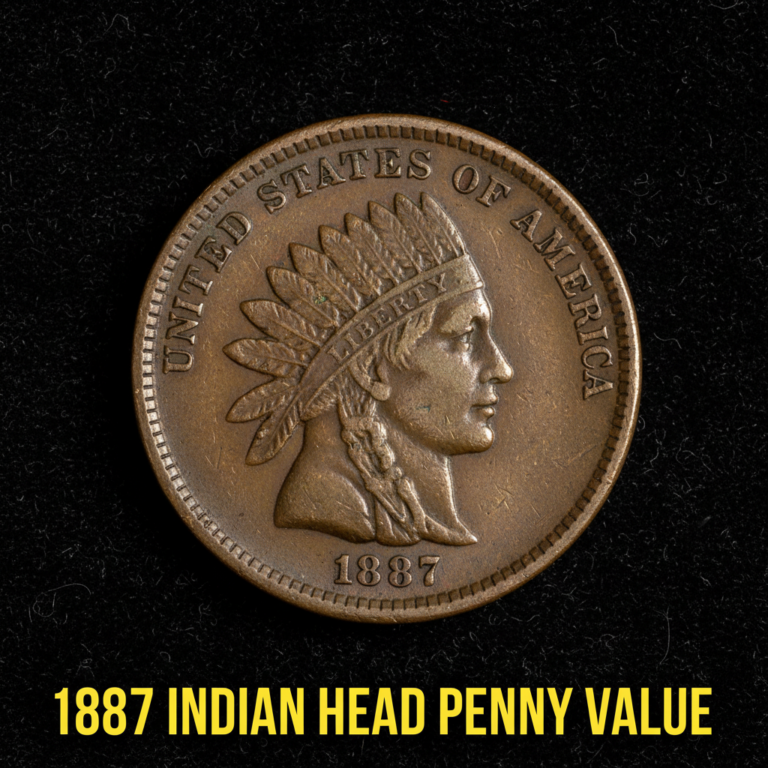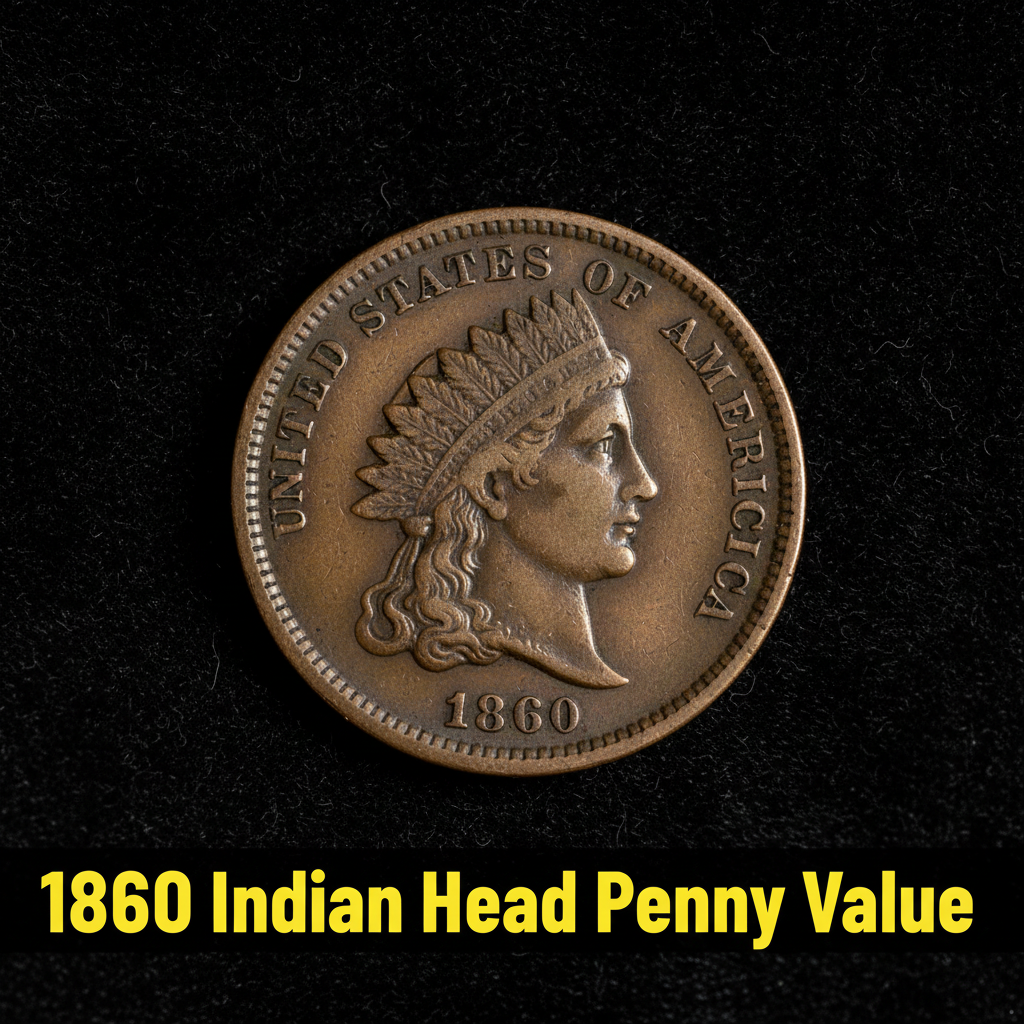
1860 Indian Head Penny Value What Is Your Old Coin Worth
If you recently dug out an old penny from a jar, a drawer, or an estate sale, you might be holding something special. The 1860 Indian Head Penny value can range from just a couple of dollars to several hundred — or even thousands — depending on the coin’s condition. Before you sell or toss it, use a free coin identifier app to get a quick first look at what you have.
H2 A Brief History of the 1860 Indian Head Penny
The Indian Head Penny was first introduced by the United States Mint in 1859. By 1860, the design had already undergone a subtle but important change. The reverse of the coin was updated to feature an oak wreath with a small shield at the top, replacing the simpler laurel wreath used in 1859. This makes the 1860 issue a transitional year coin, which adds to its collector appeal.
The obverse features Lady Liberty wearing a Native American headdress — a classic American coin design created by James Barton Longacre. The coin is made of 88% copper and 12% nickel, giving it a slightly pale, yellowish tone compared to later bronze issues. More than 20 million were struck that year, so it’s not a rare coin, but condition and grade make a huge difference in its market value.
H2 1860 Indian Head Penny Value by Condition
Coin grading is everything when it comes to determining the 1860 Indian Head Penny value. Here’s a breakdown of approximate current market values based on coin grade:
| Grade | Description | Estimated Value |
|---|---|---|
| Good (G-4) | Heavy wear, outline visible | $15 – $20 |
| Very Good (VG-8) | Major details clear | $22 – $30 |
| Fine (F-12) | Moderate even wear | $35 – $50 |
| Very Fine (VF-20) | Light wear on high points | $60 – $90 |
| Extremely Fine (EF-40) | Slight wear, sharp detail | $120 – $175 |
| Mint State (MS-60+) | Uncirculated, no wear | $250 – $1,500+ |
Coins in mint state condition with original red or red-brown luster can command serious premiums. A professionally graded MS-65 Red example has sold for over $2,000 at major auction houses.
H2 How to Identify the 1860 Indian Head Penny
When you’re trying to confirm your coin is genuinely an 1860 Indian Head Penny, look for a few key features. On the obverse, you’ll see the date “1860” clearly stamped below the portrait. The word “LIBERTY” should appear on the headband of the headdress — this detail tends to wear away first, so its visibility is a good indicator of grade.
Flip the coin over and check the reverse. The 1860 issue should show an oak wreath, not a simple laurel wreath. If you see a laurel wreath, you may have an 1859 penny instead. Also look for “ONE CENT” inside the wreath and “UNITED STATES OF AMERICA” around the rim.
Not sure what you’re looking at? Download **CoinKnow** — a smart coin identification app that can help you instantly recognize coin types, years, and mint marks just by taking a photo. It’s a fast, free way to get started before you visit a dealer.
H2 What Affects the 1860 Indian Head Penny Value Most
Beyond grade, several other factors influence what your coin is actually worth on the open market. Here’s what collectors and dealers look for:
Color designation plays a big role in uncirculated coins. Numismatists classify copper coins as Red (RD), Red-Brown (RB), or Brown (BN). Red coins are the most desirable and fetch the highest prices. A coin that has maintained its original mint red color after more than 160 years is incredibly rare.
Surface quality also matters. Coins with deep, original luster and no cleaning, environmental damage, or scratches will always be more valuable. Many old pennies were cleaned by previous owners, which actually reduces the value significantly. Collectors strongly prefer original, untouched surfaces.
Strike quality is another consideration. A well-struck coin with crisp, sharp details on both the portrait and the wreath will outperform a weakly struck example of the same grade.
To get an accurate picture of your coin’s current market value, **CoinKnow** offers real-time pricing data and grade comparisons, making it one of the most useful tools for everyday collectors trying to figure out what their coins are worth.
H2 Should You Get Your 1860 Indian Head Penny Graded
If your coin appears to be in Very Fine condition or better — especially if it looks uncirculated — professional grading is absolutely worth considering. Services like PCGS (Professional Coin Grading Service) and NGC (Numismatic Guaranty Company) will authenticate, grade, and encapsulate your coin in a tamper-evident holder. This process not only confirms the grade but also dramatically increases buyer confidence, which can raise the selling price by 30% or more.
Grading fees typically start around $30–$50 per coin. It’s a worthwhile investment if your coin looks sharp and could be worth $150 or more in its current state.
—
FAQ
Q: Is the 1860 Indian Head Penny rare?
A: The 1860 Indian Head Penny is not considered rare by mintage alone — over 20 million were produced. However, high-grade examples, especially those with original red color, are genuinely scarce and can be worth hundreds to thousands of dollars.
Q: How can I tell if my 1860 penny has been cleaned?
A: Cleaned coins often look too bright or shiny for their age, and may show fine hairline scratches under magnification. Original coins tend to have a natural, even patina. If you’re unsure, download **CoinKnow** or consult a professional coin dealer who can examine the surfaces in person.
Q: Where is the best place to sell an 1860 Indian Head Penny?
A: Your best options include reputable coin dealers, major auction platforms like Heritage Auctions or eBay, or coin shows. For rare high-grade coins, a professional auction house will typically get you the best results. Always get at least two to three opinions on value before selling.