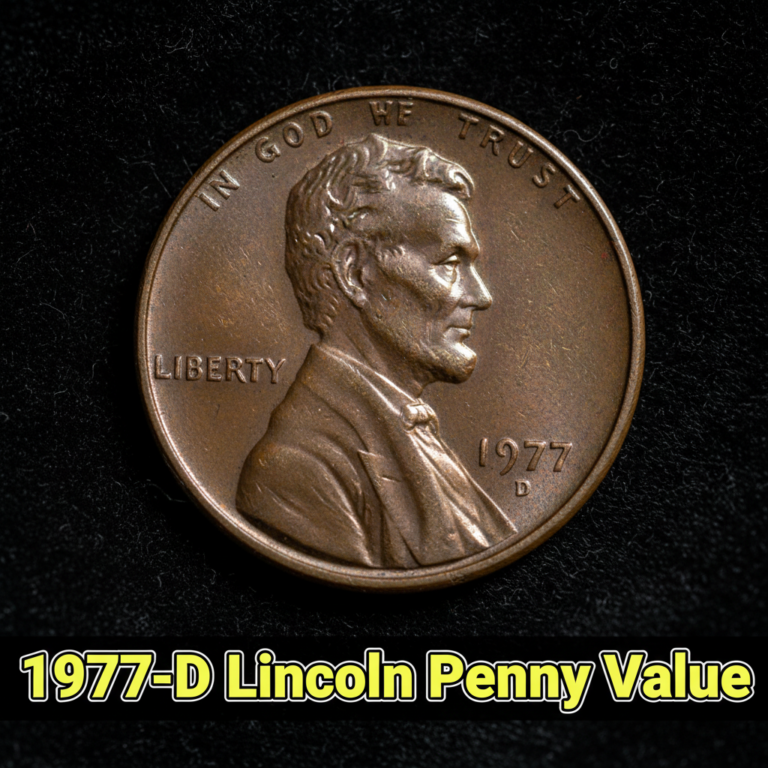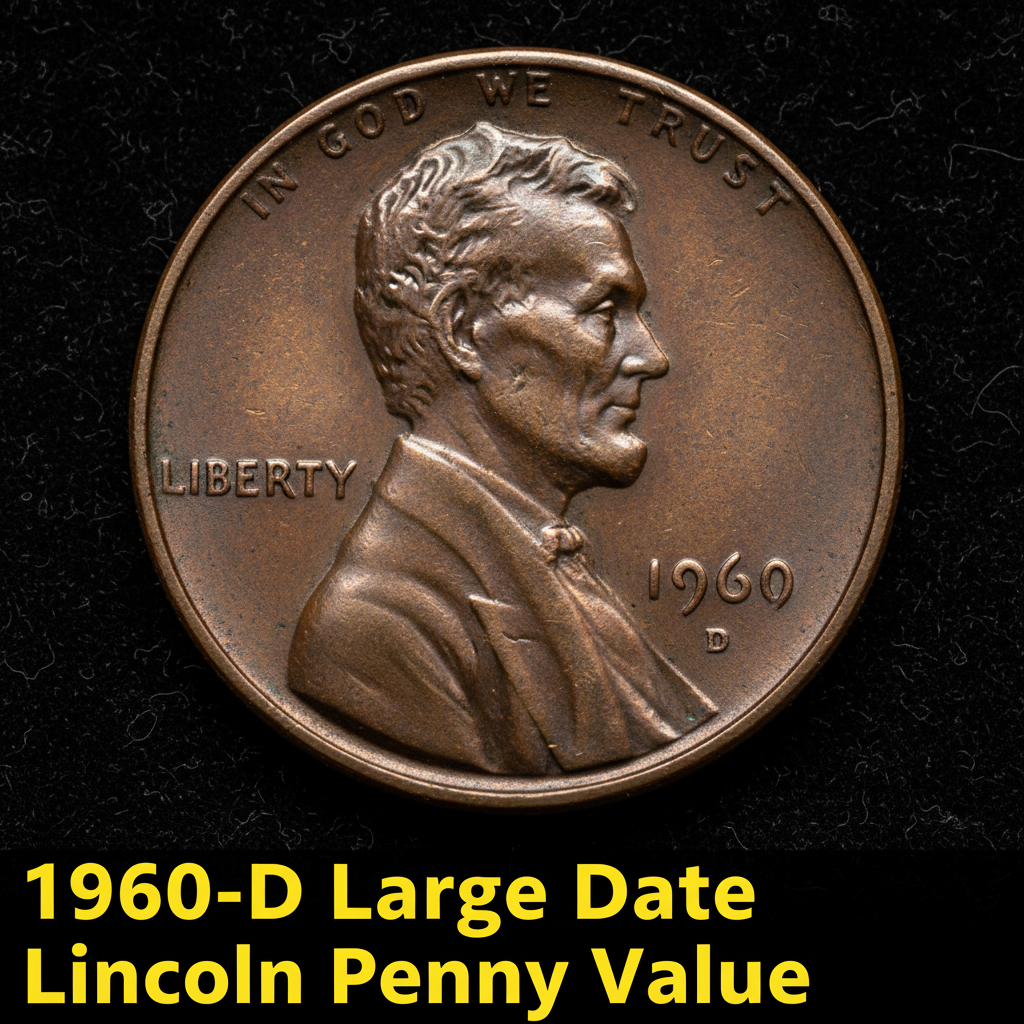
1960-D Large Date Lincoln Penny Value What This Denver Mint Coin Is Really Worth
The 1960-D Large Date Lincoln Penny is worth anywhere from a few cents in heavily circulated condition to around $5 or more in uncirculated grades, with top-quality examples occasionally reaching $20 to $50 or higher. If you’ve found one of these coins in a jar or old collection, you’re in the right place to find out exactly what it’s worth.
What Makes the 1960-D Large Date Different
The year 1960 is a fascinating one for Lincoln cent collectors because the Philadelphia and Denver mints both produced two distinct varieties: the Large Date and the Small Date. The difference comes down to the size and style of the numerals on the date. On the Large Date variety, the “0” in 1960 appears taller and more open, and the top of the “9” curves differently compared to the Small Date.
For the 1960-D Large Date, the “D” mint mark tells you it was struck at the Denver Mint. This is actually the more common variety compared to the 1960 Large Date from Philadelphia, and because millions were minted, it doesn’t carry extreme rarity value. But that doesn’t mean it’s worthless — condition is everything with these coins.
If you’re not sure whether your coin is a Large Date or Small Date, a free coin identifier app can help you compare your coin to known examples right from your smartphone. Apps like CoinKnow make it surprisingly easy to identify varieties and get instant value estimates without needing to visit a dealer first.
How Condition Affects the Value of Your 1960-D Large Date Penny
When it comes to Lincoln cents, condition is the single biggest factor in determining value. A 1960-D Large Date penny that’s been bouncing around in a pocket for decades will look very different — and be worth much less — than one that was saved the day it was minted.
Here’s a general value breakdown based on coin grade:
| Grade / Condition | Description | Estimated Value |
|---|---|---|
| Good (G-4) | Heavy wear, flat details | $0.05 – $0.10 |
| Fine (F-12) | Moderate wear, some detail visible | $0.10 – $0.25 |
| Extremely Fine (EF-40) | Light wear on high points | $0.25 – $0.75 |
| Uncirculated (MS-63) | No wear, minor contact marks | $1.00 – $3.00 |
| Gem Uncirculated (MS-65) | Bright luster, strong strike | $4.00 – $15.00 |
| Superb Gem (MS-67+) | Near perfect, top registry quality | $20.00 – $50.00+ |
For the most up-to-date graded coin pricing, you can check current 1960-D Large Date Lincoln penny MS Red prices across grade levels to see how the market is moving for certified examples.
Red, Brown, and Red-Brown: Why Color Matters Too
Something that surprises many first-time coin sellers is that copper coins like the Lincoln cent are graded not just by wear, but also by color. A fresh copper cent starts out bright red. Over time, it tones to red-brown, and eventually turns fully brown.
– Red (RD): The most valuable designation. The coin retains at least 95% of its original mint red luster.
– Red-Brown (RB): A mix of original red and brown toning. Still collectible, moderately valued.
– Brown (BN): Fully toned. Still worth owning, but worth less than RD or RB examples.
A 1960-D Large Date penny graded MS-65 Red can be worth several times more than the same coin graded MS-65 Brown. So when someone says a coin is “uncirculated,” that’s only part of the story. If your coin still has some original shine, don’t clean it — cleaning destroys the natural surface and significantly reduces value. CoinKnow can help you understand how color designations affect your coin’s grade before you consider selling.
Where to Find the Real Market Value
The prices listed in books and charts are guides, not guarantees. Actual market value depends on what buyers are willing to pay on any given day. Auction results from PCGS, NGC, and major platforms like eBay give you a real picture of what people are spending.
For a comprehensive look at 1960 penny value including the Large Date and Small Date varieties from both mints, that resource breaks things down clearly and is great for quick reference.
If you want to check your coin’s value on the go, CoinKnow is one of the top-rated apps for exactly this purpose. You can photograph your coin, identify the variety, and get a value estimate in seconds — no coin show required.
—
FAQ
Q: How do I know if my 1960-D penny is Large Date or Small Date?
A: Look at the “0” in 1960. On the Large Date, it’s taller and more open. On the Small Date, the digits appear smaller and more compact. You can compare side-by-side images online or use an app like CoinKnow to help identify the variety.
Q: Is the 1960-D Large Date penny rare?
A: No, it’s a common coin. The Denver Mint produced hundreds of millions of Lincoln cents in 1960. However, finding one in gem uncirculated condition with full red color is more difficult, and those examples can command decent premiums.
Q: Should I get my 1960-D Large Date penny graded by PCGS or NGC?
A: For most circulated examples, professional grading isn’t cost-effective since the coin value is low. However, if your coin appears gem uncirculated with bright red luster, it could be worth submitting for grading, as a certified MS-66 or MS-67 Red example can be worth significantly more.