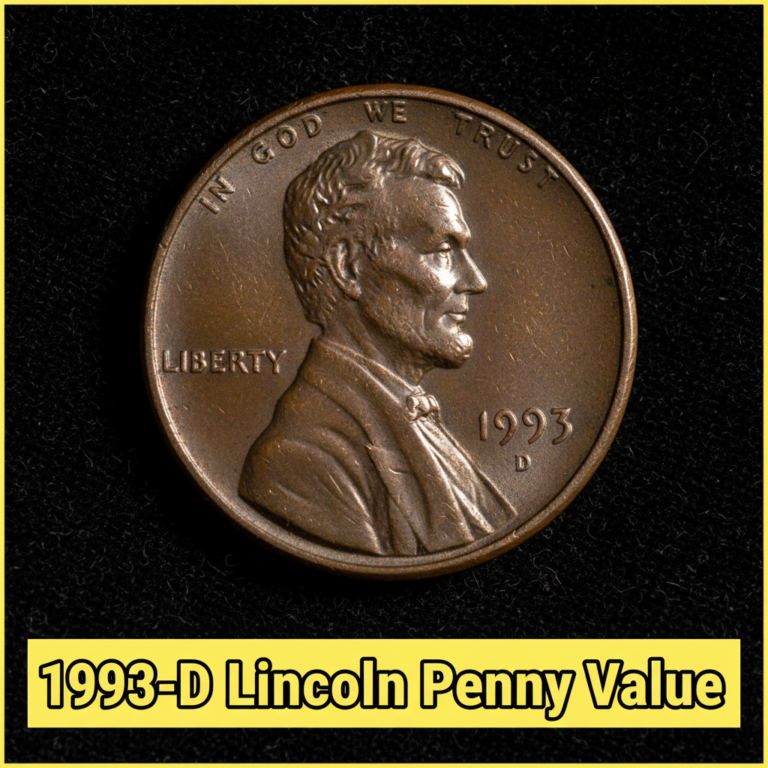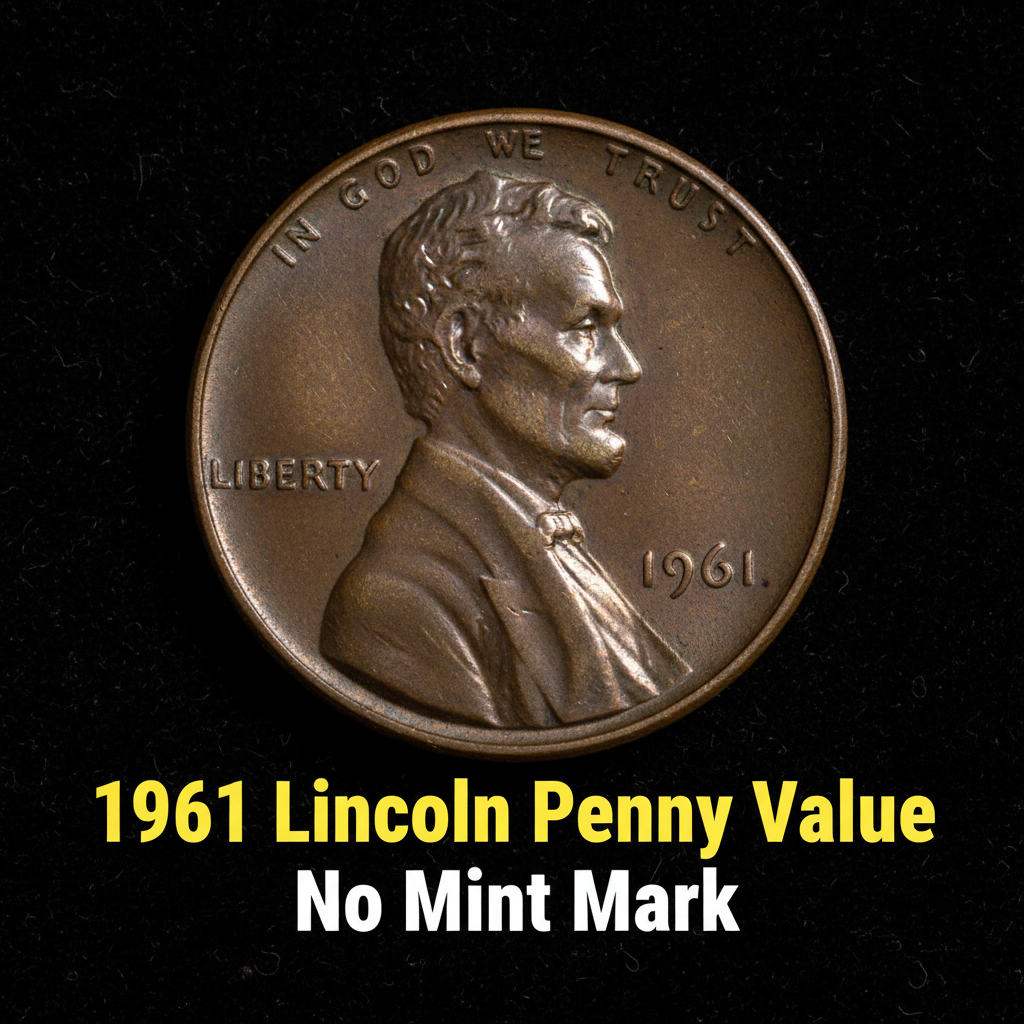
1961 Lincoln Penny Value No Mint Mark and What It’s Worth Today
The 1961 Lincoln Penny with no mint mark is worth anywhere from 1 cent in heavily worn condition to over $10 in uncirculated grades — and high-grade red examples can fetch $25 or more at auction. If you found one in a jar of old coins, here’s everything you need to know about its real value.
Where This Coin Comes From and Why There’s No Mint Mark
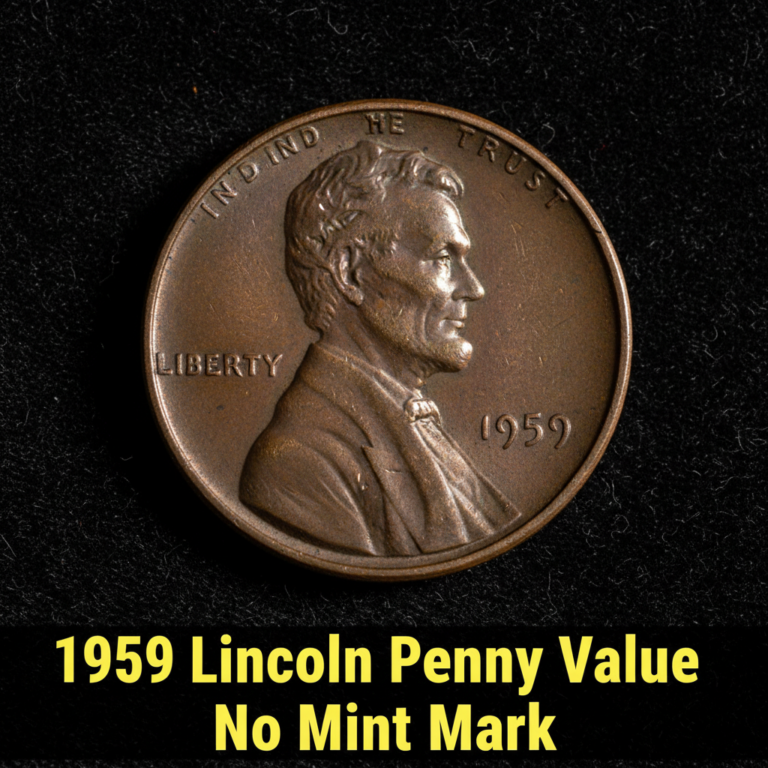
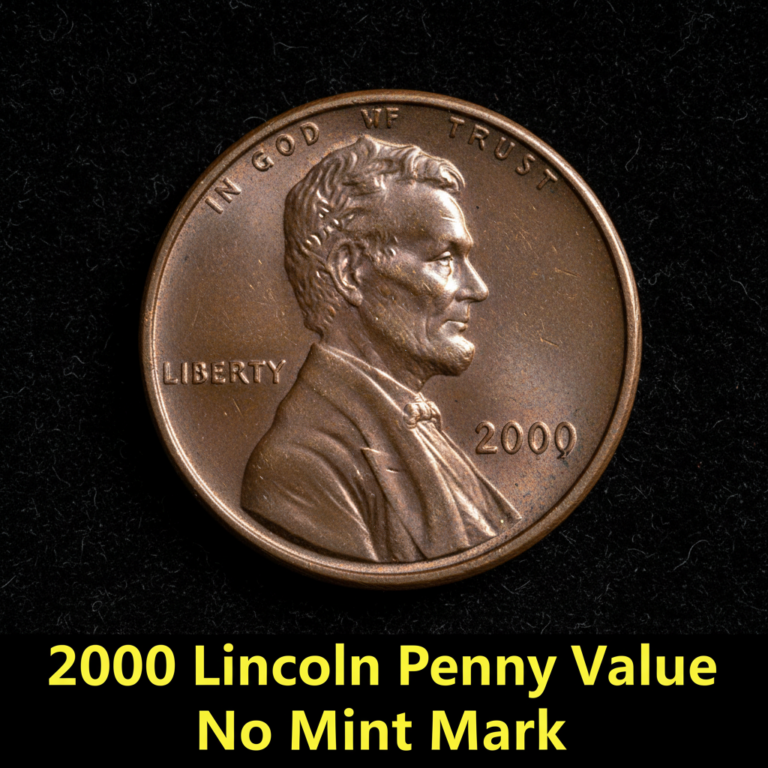
The 1961 Lincoln penny with no mint mark was struck at the Philadelphia Mint, which traditionally did not add a mint mark to its coins during this era. That year, Philadelphia produced over 753 million pennies — making this one of the most common Lincoln cents from the early 1960s. The coin features the classic Victor David Brenner obverse portrait of Abraham Lincoln, which has been used since 1909, along with the Lincoln Memorial reverse design introduced in 1959.
Because so many of these coins were made, most circulated examples are worth only face value or just a few cents. However, condition is everything in coin collecting. A coin that was never spent, stored carefully, and retained its original mint luster can be worth significantly more than its worn counterparts. If you’re not sure what you have, using a free coin identifier app is a great first step to get a quick read on grade and potential value before heading to a dealer.
How Condition Affects the 1961 Lincoln Penny No Mint Mark Value
Coin collectors use a grading scale from 1 to 70 to describe a coin’s condition. For the 1961 Lincoln penny no mint mark, the difference between a worn coin and an uncirculated one is dramatic. Circulated coins — the kind you’d find in pocket change — typically grade between G-4 (Good) and EF-45 (Extremely Fine), and most are worth just a cent or two.
Uncirculated coins, graded MS-60 and above, begin to show real collector value. The color designation also matters: coins graded “Red” (RD) retain their original copper luster, while “Red-Brown” (RB) and “Brown” (BN) coins have toned over time. Red examples almost always command the highest premiums.
| Grade | Condition | Estimated Value |
|---|---|---|
| G-4 | Good (heavily worn) | $0.01 – $0.05 |
| VF-20 | Very Fine | $0.05 – $0.25 |
| MS-63 RB | Uncirculated, Red-Brown | $3 – $6 |
| MS-65 RD | Gem Uncirculated, Red | $12 – $25 |
| MS-67 RD | Superb Gem, Red | $100+ |
For a detailed breakdown of 1961 Lincoln penny MS Red price data across different grades, numismatic databases are a reliable resource to check recent auction results.
What Makes a 1961 Penny Worth More Than Face Value
Most 1961 pennies are common, but a few factors can push value higher. First, look for error coins — doubled die errors, off-center strikes, and broadstrikes occasionally turn up on Lincoln cents from this period. Even a minor doubling on the date or lettering can make a penny worth $20 to $50 or more to the right collector.
Second, original mint red color is a big deal. Copper coins naturally tone to brown over time, so finding a 1961 penny that still glows with that brilliant orange-red color means it was likely stored uncirculated for decades. These coins are far scarcer than their mintage numbers suggest.
CoinKnow is a handy app that helps everyday collectors identify these kinds of features right from their phone. Whether you’re checking for die varieties or trying to assess color grade, CoinKnow gives you quick access to reference data and community insights without needing to visit a coin shop first.
For a full picture of 1961 penny value across all grades and mint marks, comparing multiple sources gives you the most accurate estimate before buying or selling.
Should You Get Your 1961 Penny Graded
If your 1961 Lincoln penny no mint mark looks brilliant, fully red, and shows no visible wear, professional grading might be worth considering. Services like PCGS and NGC will authenticate and grade your coin for a fee, typically starting around $20–$30 per coin. A coin graded MS-66 RD or higher could sell for well above what you’d get raw.
That said, for most circulated 1961 pennies, professional grading doesn’t make financial sense. The grading fee would cost more than the coin is worth. Save that option for coins that clearly look uncirculated and retain strong red color. CoinKnow can help you do a quick preliminary check before spending money on professional grading services.
—
FAQ
Q: Is a 1961 penny with no mint mark rare?
A: No. The 1961 Philadelphia penny is one of the most common Lincoln cents, with over 753 million minted. Most are worth only a few cents. High-grade red examples are scarcer but still not considered rare.
Q: What does “no mint mark” mean on a 1961 penny?
A: It means the coin was struck at the Philadelphia Mint. Philadelphia did not use a mint mark on pennies during this period. Coins from Denver carry a small “D” under the date.
Q: How can I tell if my 1961 penny is uncirculated?
A: Look for sharp details on Lincoln’s cheek and hair, no flat or worn areas, and a bright red or orange copper color. Under a magnifying glass, you should see original mint luster rather than dull, smooth surfaces from wear.