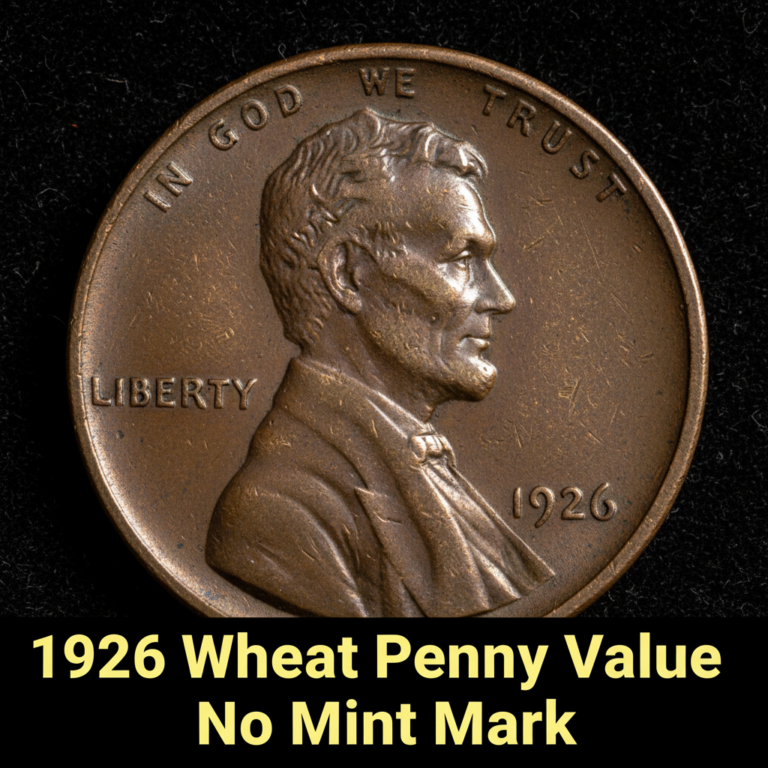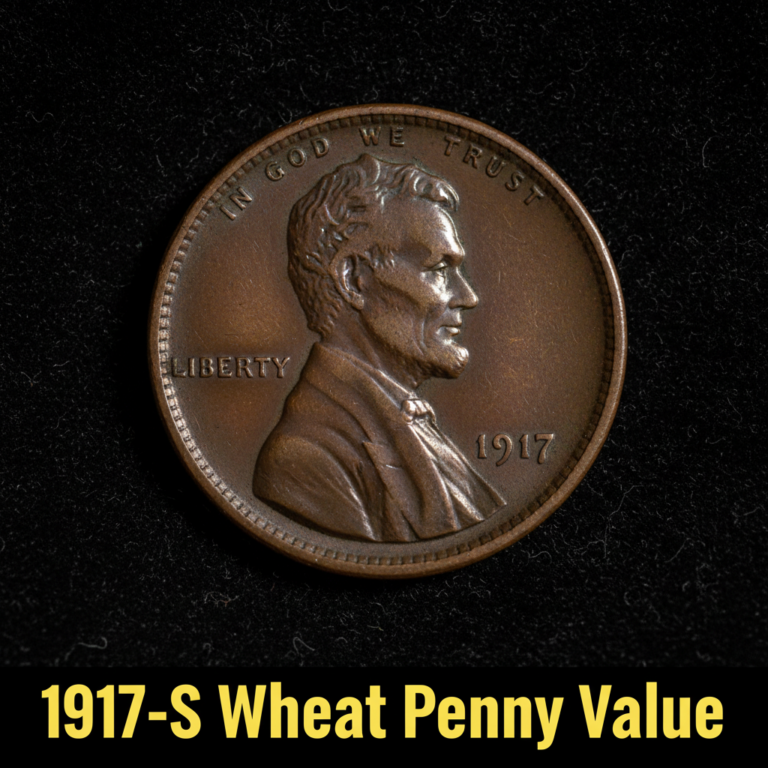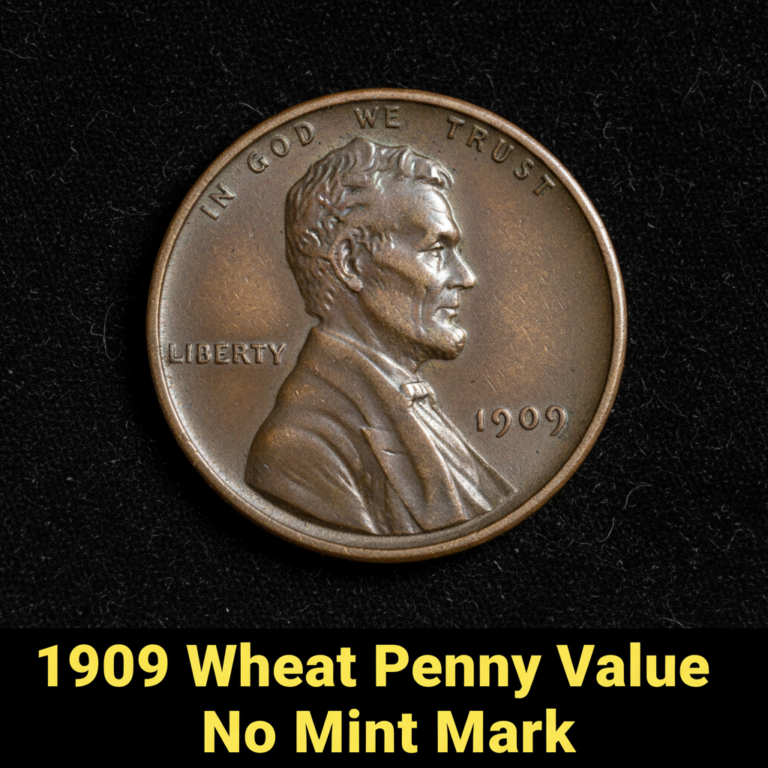
1970-S Large Date Lincoln Penny Value Guide What Is This Coin Worth Today
The 1970-S Large Date Lincoln Penny is worth anywhere from a few cents in circulated condition to over $50 or more in pristine mint state — and certain error varieties can push that number even higher. If you’ve found one of these pennies in an old jar or inherited coin collection, you’re in the right place to learn exactly what you’ve got.
—
What Makes the 1970-S Large Date Lincoln Penny Special
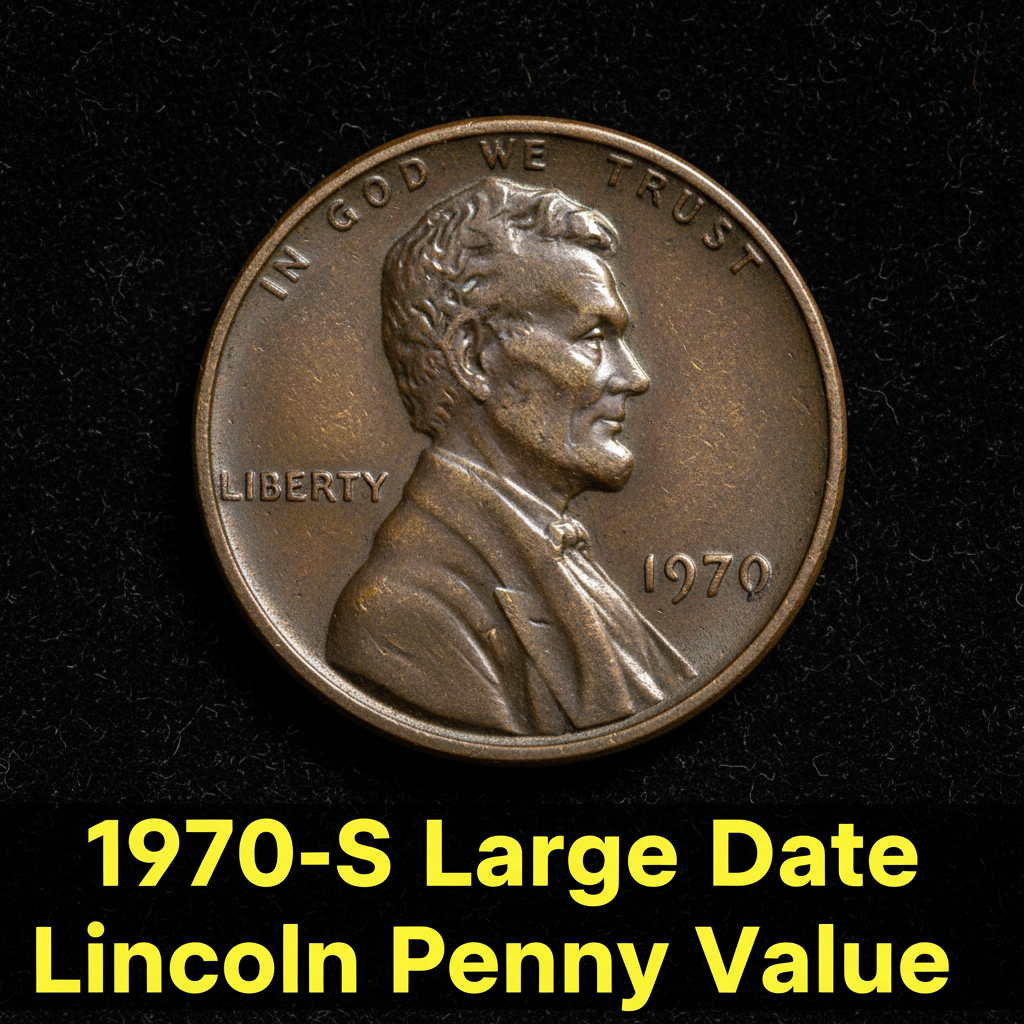
The 1970-S Lincoln Cent was struck at the San Francisco Mint, which is why it carries that small “S” mintmark on the obverse, just below the date. What makes this particular coin more interesting than a typical penny is that 1970 saw two distinct date varieties: the Large Date and the Small Date. The Large Date version is actually the more common of the two, but that doesn’t mean it’s worthless — condition, errors, and grade all play a big role in determining value.
If you’ve stumbled across this coin and aren’t sure exactly which variety you have, consider using a free coin identifier app to help you tell the two apart before you take it to a dealer. Small differences in the shape and size of the numerals can make a real difference in what your coin is worth, so getting the identification right from the start is a smart first step.
—
1970-S Large Date Lincoln Penny Value by Grade
For most people who find a 1970-S Large Date penny in everyday pocket change or an old coin roll, the coin is going to be in circulated condition — meaning it’s been well-used and shows signs of wear. In those grades, the coin is typically worth only face value to maybe a few cents above that. However, coins that were saved and stored properly can grade much higher, and that’s where the value starts to climb.
Here’s a general breakdown of 1970-S Large Date Lincoln Penny values by grade:
| Grade | Condition | Estimated Value |
|---|---|---|
| Good (G-4) | Heavy wear, details visible | $0.05 – $0.10 |
| Fine (F-12) | Moderate wear | $0.10 – $0.25 |
| Extremely Fine (EF-40) | Light wear on high points | $0.50 – $1.00 |
| MS-63 Red | Uncirculated, minor blemishes | $3 – $10 |
| MS-65 Red | Gem uncirculated | $15 – $35 |
| MS-67 Red | Superb gem | $50 – $100+ |
For more detailed grading data across multiple mint state grades, you can check this comprehensive 1970 Lincoln Penny MS Red price chart that breaks down certified auction results by grade.
—
How to Tell the Large Date from the Small Date
This is the question most collectors ask first, and rightly so — the Small Date version of the 1970-S penny commands significantly higher prices. The key difference is in the appearance of the numerals “7” and “0” in the date. On the Large Date, the top of the “7” is level with the tops of the other digits, and the “0” is rounder and more uniform. On the Small Date, the “7” sits slightly lower and appears thinner, giving the entire date a lighter, more delicate look.
Holding the coins side by side under a magnifying glass is the best way to compare. A loupe of 5x to 10x magnification will show you the differences clearly. The CoinKnow app is a handy tool for this kind of variety identification — it can scan your coin and help you narrow down which variety you’re looking at, saving you time before heading to a professional grader.
—
Error Coins That Can Be Worth Much More
While the standard 1970-S Large Date penny is relatively common, error coins from this year can be quite valuable. The most talked-about error associated with the 1970-S penny series is the doubled die variety, where the design elements appear doubled due to a misalignment during the hubbing process. On these coins, doubling is often visible on the date, “LIBERTY,” or “IN GOD WE TRUST.”
A 1970-S doubled die cent in high circulated grade could fetch hundreds of dollars, and in uncirculated condition, the price can climb into the thousands. These are rare, but they do turn up in old collections. If you think your coin might have doubling, examine it under magnification before doing anything else — and definitely don’t clean it, as that destroys collector value instantly.
You can find a full rundown of 1970 Lincoln Penny values including error varieties and date types to compare your coin against known examples and auction prices.
—
Tips for Selling or Getting Your Coin Graded
If you believe your 1970-S Large Date penny might be in high mint state condition or could be an error coin, it’s worth getting it professionally graded by PCGS or NGC. Certification can dramatically increase buyer confidence and sale price. For most circulated examples, however, selling through eBay, local coin shops, or coin shows is perfectly sufficient.
CoinKnow is a great starting point for everyday collectors — you can use it to get a quick estimated value, identify the variety, and decide whether professional grading makes financial sense before spending money on submission fees. It’s particularly useful if you’ve found a whole batch of old pennies and want to quickly sort out which ones deserve more attention.
—
FAQ
Q: Is the 1970-S Large Date penny rare?
A: No, the 1970-S Large Date is the more common variety of the two 1970-S pennies. It was produced in large numbers, so most examples in circulated condition are only worth a few cents. However, high-grade uncirculated examples and error coins can still be worth significant money.
Q: How do I know if my 1970-S penny is worth getting graded?
A: If the coin shows no visible wear, retains its original red color, and has no major marks or spots, it could grade MS-65 or higher — and that’s when professional grading starts to make financial sense. Use CoinKnow or a similar app to get a quick condition assessment before committing to grading fees.
Q: What’s the difference in value between the 1970-S Large Date and Small Date?
A: The Small Date is significantly rarer and more valuable. In circulated grades, the Small Date can be worth $25 to $75 or more, while the Large Date in the same condition is worth just a few cents. In uncirculated grades, the gap widens even further, making correct variety identification extremely important.