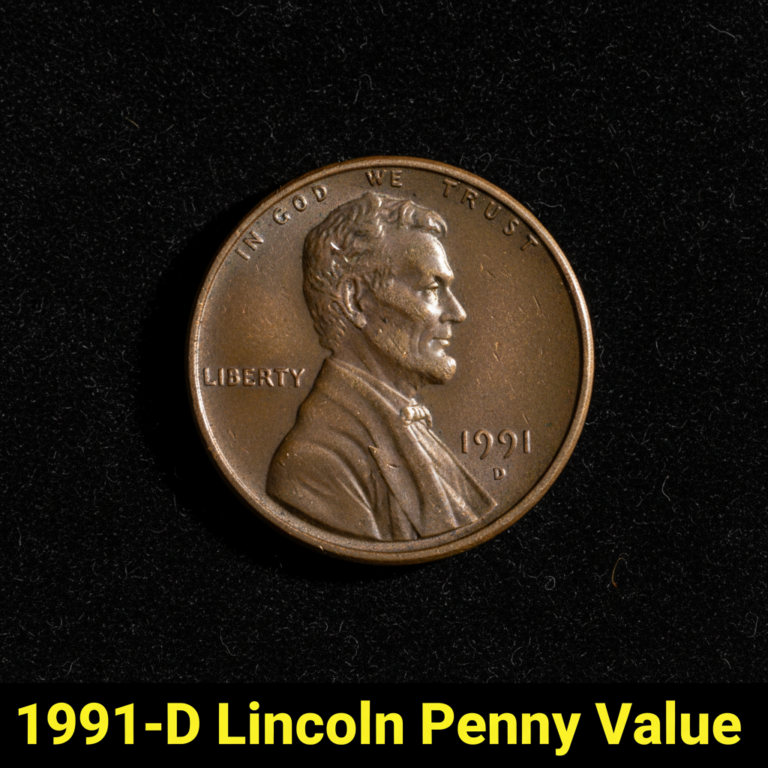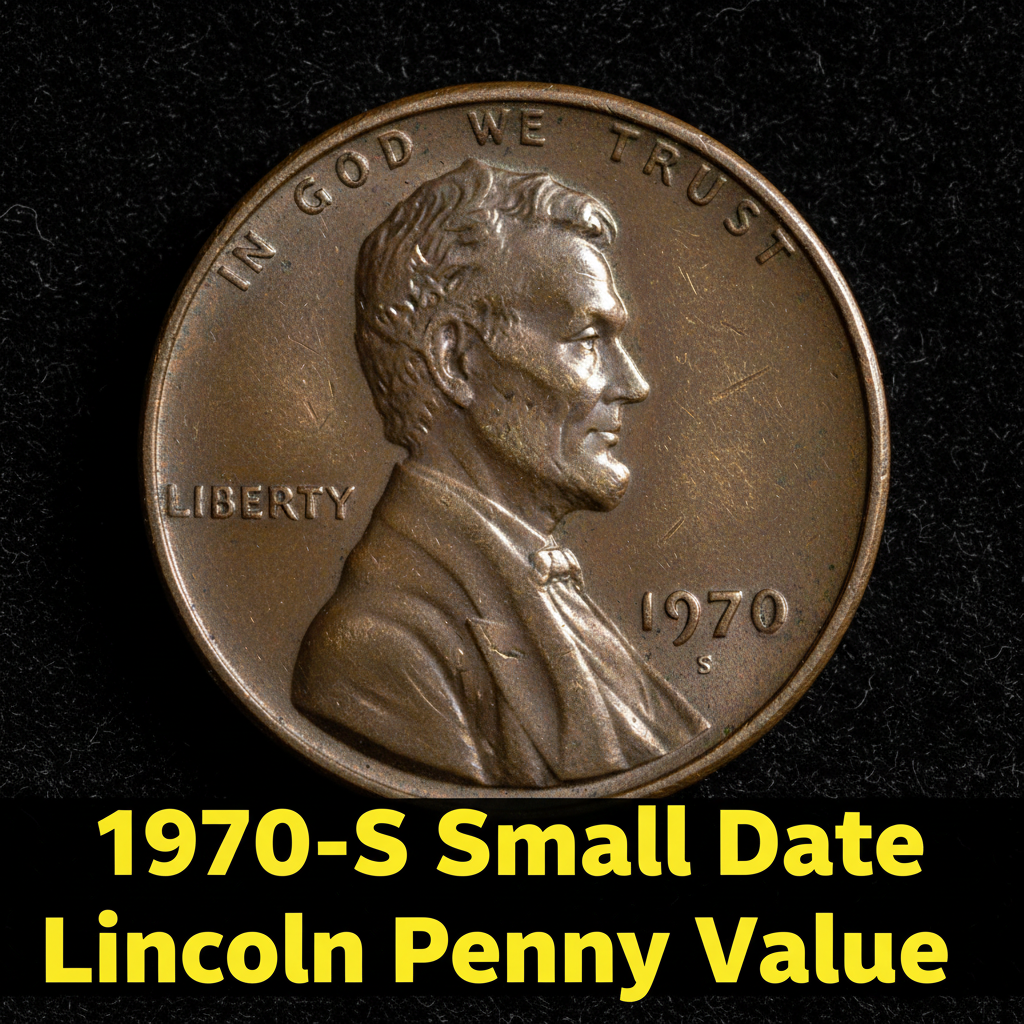
1970-S Small Date Lincoln Penny Value Guide What It’s Worth and Why Collectors Care
The 1970-S Small Date Lincoln penny is worth anywhere from $1 to $5 in circulated condition, but in top mint state grades it can sell for $100 or more — and certain rare examples have fetched thousands at auction. If you just found one in an old jar or a relative’s coin collection, you may be sitting on something special.
How to Tell If You Have the Small Date or Large Date
Before anything else, you need to confirm which variety you actually have. The 1970-S Lincoln cent was minted in San Francisco and came in two versions: the Large Date and the Small Date. The difference is subtle but matters a lot for value.
On the Small Date, the “7” in 1970 sits noticeably lower than the other digits, and the top of the “7” is slightly concave or angled. The date also looks more compact overall. On the Large Date, all four digits align more evenly, and the “7” has a flat top.
If you’re having trouble seeing this with the naked eye, try using a free coin identifier app on your phone. These tools can zoom in, enhance details, and even give you a quick value estimate. One popular option is CoinKnow, which lets you scan your coin and instantly identify the variety and grade range. It’s a great starting point for beginners who don’t own a loupe yet. Getting the variety right is step one — because without it, you could seriously undervalue what you’re holding.
1970-S Small Date Lincoln Penny Value by Grade
Condition is everything in coin collecting. A worn, heavily circulated 1970-S Small Date penny is only worth a dollar or two above face value to most buyers. But as grade improves, value climbs quickly — especially in the higher mint state levels.
Here’s a general value breakdown based on condition:
| Grade | Description | Estimated Value |
|---|---|---|
| Good (G-4) | Heavy wear, date visible | $0.50 – $1 |
| Fine (F-12) | Moderate wear, clear details | $1 – $3 |
| Extremely Fine (EF-40) | Light wear on high points | $3 – $8 |
| MS-63 (Mint State) | Uncirculated, some marks | $15 – $35 |
| MS-65 (Gem) | Sharp strike, near perfect | $50 – $125 |
| MS-67 or Higher | Virtually flawless | $500 – $3,000+ |
For up-to-date auction results and certified sale prices, you can check the latest 1970-S Lincoln penny price data across mint state grades to see what real buyers are paying right now.
Why the Small Date Variety Commands a Premium
You might wonder why a one-cent coin from 1970 can be worth so much. The answer comes down to rarity and collector demand. The Small Date variety is significantly scarcer than the Large Date version, and it was only produced at the San Francisco Mint. Because production numbers for the Small Date were lower, and because most circulated coins were spent and worn down decades ago, finding one in pristine uncirculated condition is genuinely difficult.
Collectors who specialize in Lincoln Memorial cents — struck from 1959 to 2008 — consider the 1970-S Small Date one of the key dates in the series. It shows up regularly on most “must-have” lists for completing a full Lincoln cent set. That demand keeps prices strong, especially at auction for top-graded examples.
The coin was also struck during a transitional period for the U.S. Mint, adding historical interest. San Francisco was primarily a proof coin facility by the early 1970s, which makes circulation-quality Small Date cents from this era even harder to find in true mint state.
Should You Get It Graded?
If your 1970-S Small Date Lincoln penny looks uncirculated — meaning it still has its original copper-red luster and no obvious wear on Lincoln’s cheek or the high points of the design — it may be worth submitting to a third-party grading service like PCGS or NGC. Professional grading adds a layer of authenticity and can dramatically increase resale value.
For a rough idea of what your coin might be worth before spending money on grading, check out this detailed 1970 penny value breakdown by variety and condition. It’s a helpful resource for setting realistic expectations.
You can also use CoinKnow to get a quick condition estimate right from your smartphone. Just snap a clear photo in good lighting, and the app will walk you through the key grading points so you can decide whether professional grading makes financial sense for your specific coin.
Tips for Selling Your 1970-S Small Date Penny
If you decide to sell, your best options are eBay (where Lincoln cent variety collectors are very active), coin shows, or established coin dealers who specialize in U.S. cents. Always search completed eBay sales — not just active listings — to see what buyers have actually paid.
For raw coins in circulated grades, expect modest offers. For uncirculated examples with strong luster, especially those already in PCGS or NGC holders, you’ll find more competitive bidding. CoinKnow also includes a marketplace feature that connects you with collectors and dealers, which can save time if you’re looking to sell quickly.
Always store copper pennies in a cool, dry place and avoid touching the surface. Fingerprints and cleaning can permanently damage value.
FAQ
Q: How do I know if my 1970-S penny is the Small Date variety?
A: Look closely at the “7” in the date. On the Small Date, the “7” sits lower than the other digits and has a slightly concave top. The date also appears more compact compared to the Large Date version. A magnifying glass or a coin identifier app can make this much easier to spot.
Q: Is the 1970-S Small Date penny rare?
A: It’s not extremely rare in circulated grades, but it is genuinely scarce in high mint state condition. Most examples were spent and heavily worn. Finding one with original red luster in MS-65 or better is uncommon enough that collectors pay serious premiums for certified examples.
Q: Can I clean my 1970-S Small Date penny to improve its value?
A: No — never clean a collectible coin. Cleaning removes the original surface and actually destroys value in the eyes of collectors and grading services. Even a coin that looks dull but is untouched is worth far more than a cleaned, shiny one. Leave it exactly as you found it.