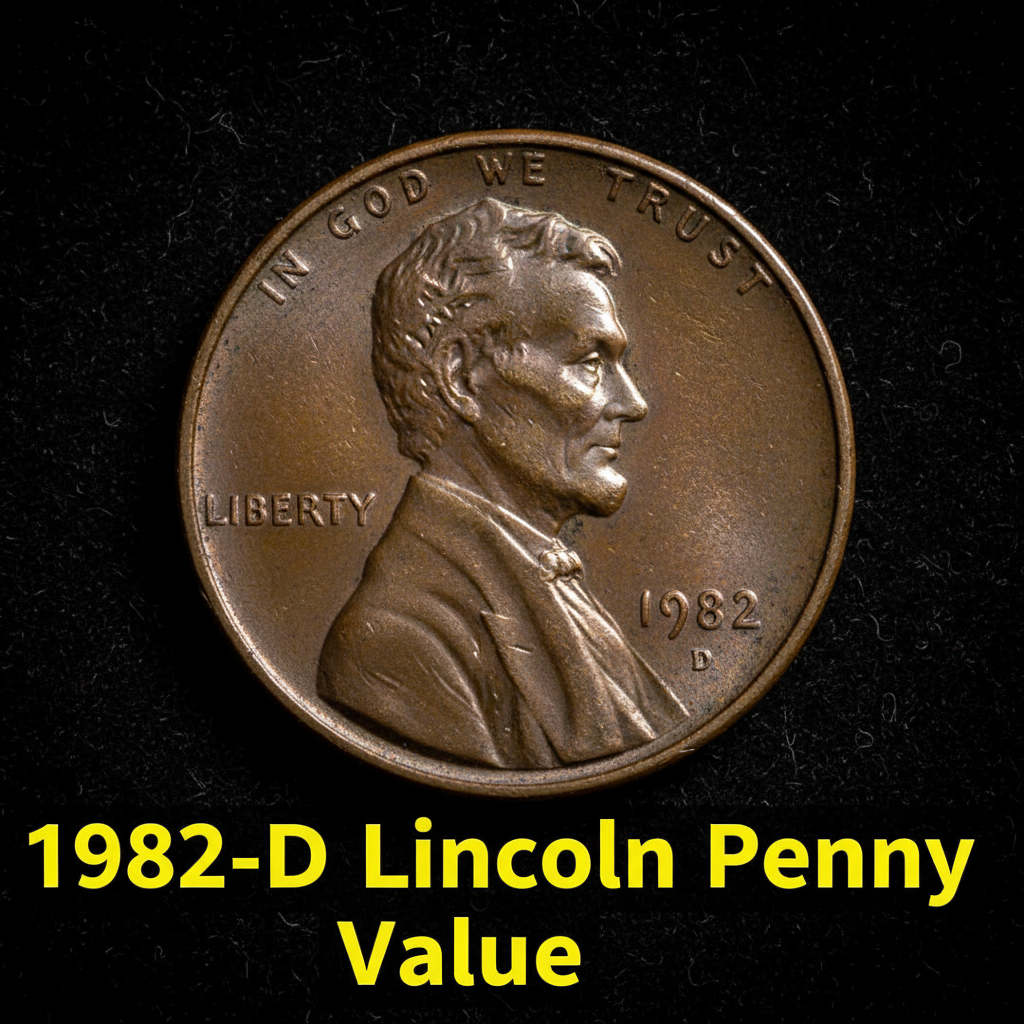
1982-D Lincoln Penny Value What It’s Really Worth and Why Collectors Care
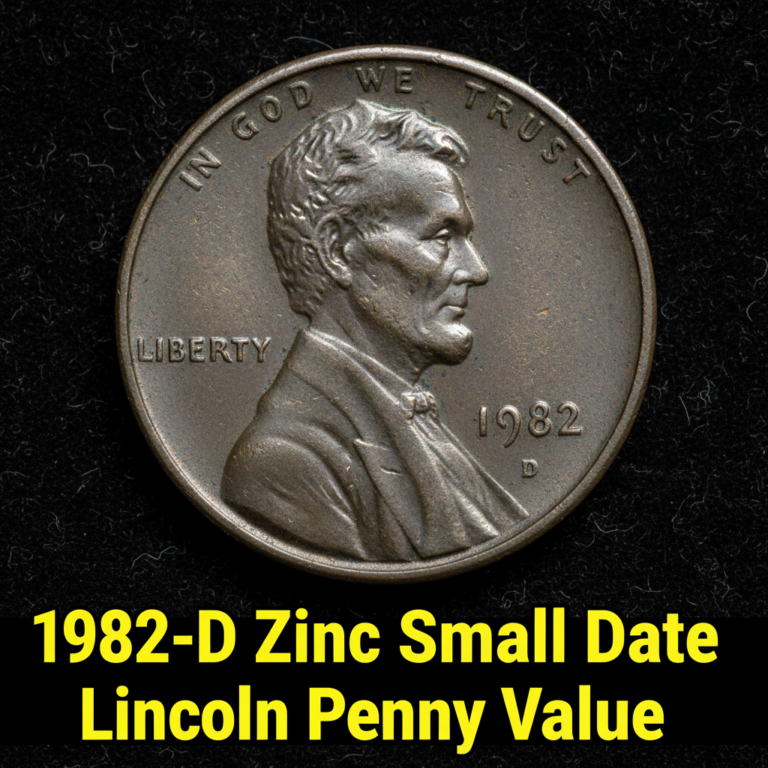
The 1982-D Lincoln Penny is worth anywhere from a few cents in heavily worn condition to over $10,000 or more for the rare large date copper variety in top mint state grades. Yes, you read that right — a penny from your pocket change could actually be worth serious money, depending on a few key details.
If you’ve recently dug out a 1982-D penny from an old jar or inherited a coin collection, you’re in the right place. Using a free coin identifier app is a great first step to figure out exactly what you’ve got before diving deeper into research.
—
What Makes the 1982-D Lincoln Penny So Special
The year 1982 is one of the most fascinating years in U.S. penny history. That’s because the U.S. Mint was in the middle of transitioning from 95% copper pennies to zinc-core pennies coated with copper. As a result, there are actually seven different varieties of 1982 Lincoln pennies — and the “D” mintmark (for the Denver Mint) adds even more complexity to the mix.
The two main 1982-D varieties are the large date and small date, and each comes in either copper or zinc. The large date zinc version is the most common and is basically worth face value. But here’s where it gets exciting: the 1982-D small date copper penny is incredibly rare. Only a handful are known to exist, and one sold at auction for over $18,000. Even a circulated example could fetch hundreds or thousands of dollars if authenticated.
To tell them apart, you need to look closely at the date style and weigh the coin. A copper penny weighs 3.1 grams, while a zinc penny weighs 2.5 grams. A simple postal scale or kitchen scale can help you get started.
—
1982-D Lincoln Penny Value by Grade and Variety
Here’s a quick breakdown of approximate values for the different 1982-D Lincoln penny varieties:
| Variety | Metal | Circulated | MS-63 | MS-65 RD |
|---|---|---|---|---|
| Large Date | Zinc | Face value | $0.10–$0.50 | $1–$5 |
| Large Date | Copper | $0.05–$0.25 | $0.50–$2 | $5–$15 |
| Small Date | Zinc | $0.05–$0.25 | $1–$3 | $3–$10 |
| Small Date (Rare) | Copper | $500–$2,000+ | $5,000+ | $10,000–$18,000+ |
For a more detailed look at 1982-D Lincoln penny prices across mint state grades, it’s worth checking multiple verified sources before making any decisions.
—
How to Identify Your 1982-D Penny Variety
You don’t need to be a professional numismatist to start identifying your 1982-D Lincoln penny. Here’s a simple step-by-step approach:
1. Check the mintmark — Look just below the date. A “D” means it was struck at the Denver Mint.
2. Weigh the coin — Use a digital scale accurate to 0.1 grams. Copper = 3.1g, Zinc = 2.5g.
3. Examine the date size — The “8” in a large date looks rounder and sits higher. The small date “8” appears slimmer and more compact.
4. Use a magnifier — A 5x–10x loupe makes a big difference when comparing the date numerals.
Once you’ve done your homework, CoinKnow is an excellent tool to help you identify and value your coins quickly. The app uses image recognition to scan your coin and match it to a database of thousands of U.S. coins — including all the tricky 1982 varieties. It’s one of the easiest ways to get an instant ballpark value without needing specialized knowledge.
—
What Affects the Value of a 1982-D Lincoln Penny
Beyond the variety and metal composition, several other factors play a role in determining your coin’s worth:
– Condition (Grade): Coins are graded on a scale from Poor (P-1) to Perfect Mint State (MS-70). Even a common 1982-D large date zinc penny in pristine, uncirculated condition (MS-65 or above with full red luster) can be worth a few dollars to a collector.
– Color designation: Red (RD) pennies command premiums over Red-Brown (RB) and Brown (BN) examples.
– Errors: Some 1982-D pennies show doubling on Lincoln’s portrait or the lettering. Doubled die errors can add significant value.
– Certification: Coins graded and certified by PCGS or NGC are worth more to serious collectors because the grade is professionally guaranteed.
For a comprehensive breakdown of 1982 penny values including all varieties and mint marks, it’s helpful to cross-reference trusted numismatic resources.
CoinKnow also helps you understand how condition affects value — just upload a photo of your coin and let the app do the heavy lifting.
—
Should You Hold On to Your 1982-D Penny
For most people, the 1982-D large date zinc penny isn’t going to change your life financially. But it’s absolutely worth spending five minutes to check the weight and date size before tossing it back into your coin jar. The potential upside — especially if you happen to have a small date copper specimen — is enormous.
If you’re serious about finding out what your coin collection is worth, CoinKnow makes the entire process fast and beginner-friendly. Whether you’re a casual finder or a growing collector, having a reliable identification and valuation tool in your pocket is genuinely useful.
—
FAQ
Q: How do I know if my 1982-D penny is copper or zinc?
A: The easiest way is to weigh it. A copper 1982-D penny weighs 3.1 grams, while a zinc penny weighs 2.5 grams. You’ll need a digital scale accurate to at least 0.1 grams. The sound is also different — copper pennies have a richer “ring” when dropped, while zinc ones sound duller.
Q: Is the 1982-D small date copper penny real, or just a myth?
A: It’s very real, but incredibly rare. Only a small number of confirmed examples exist, all from Denver. They were likely struck as transitional errors early in the changeover process. If you think you have one, get it authenticated by PCGS or NGC immediately.
Q: Where can I sell a valuable 1982-D Lincoln penny?
A: Options include eBay (for lower to mid-value coins), Heritage Auctions or Stack’s Bowers (for high-value pieces), and local coin dealers. Always get your coin certified first if it appears to be the rare small date copper variety — it dramatically increases buyer confidence and final sale price.