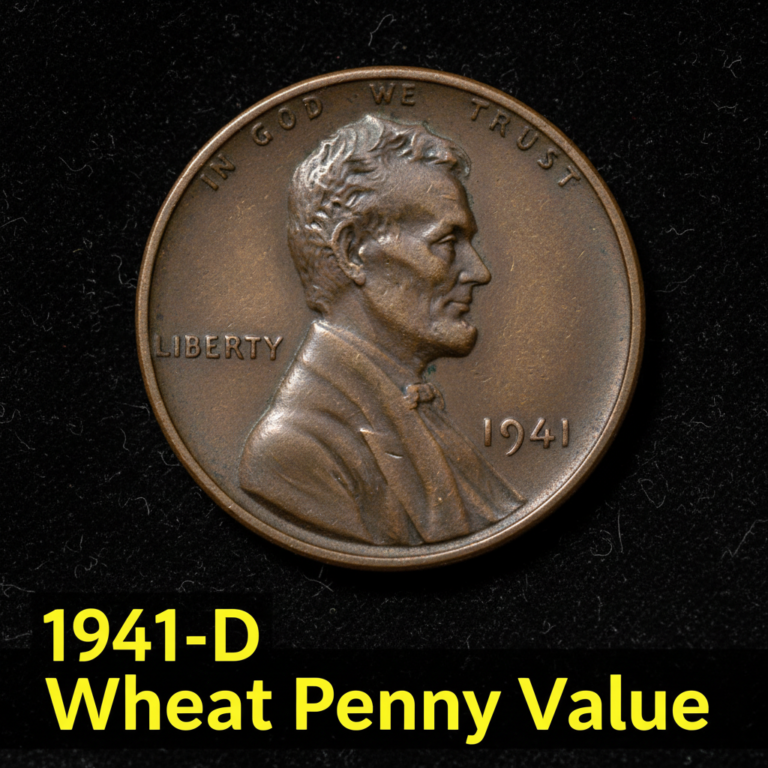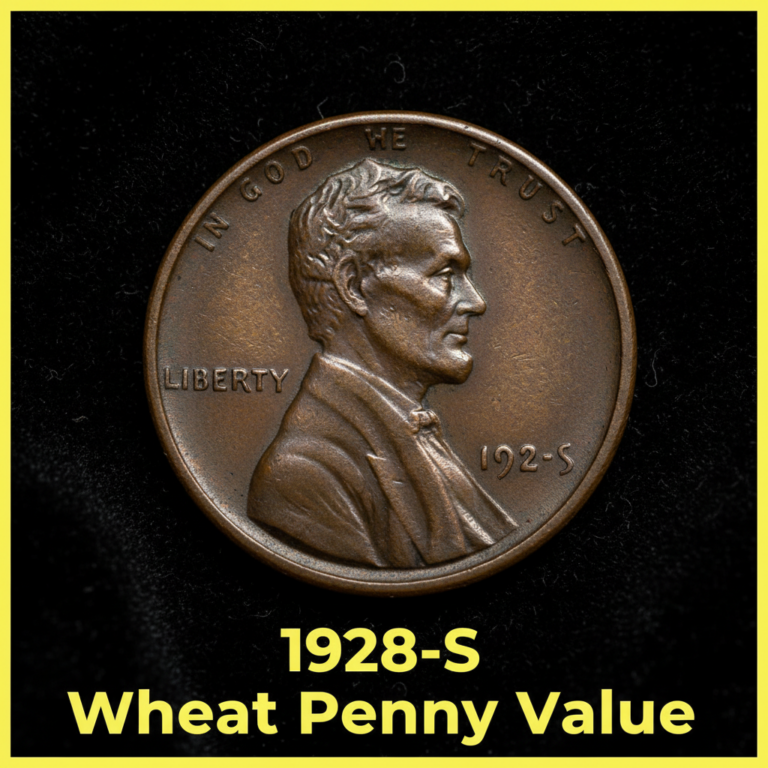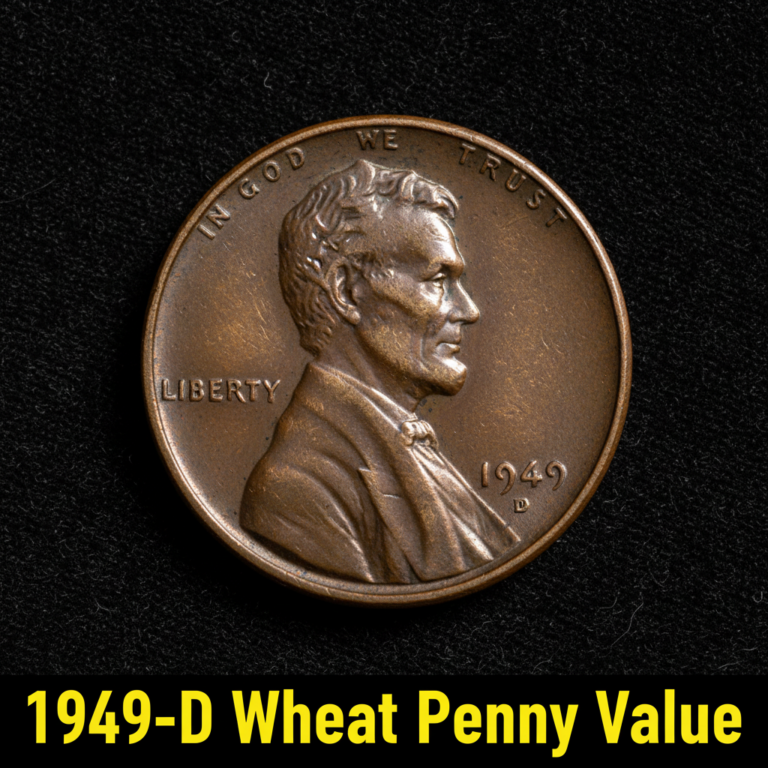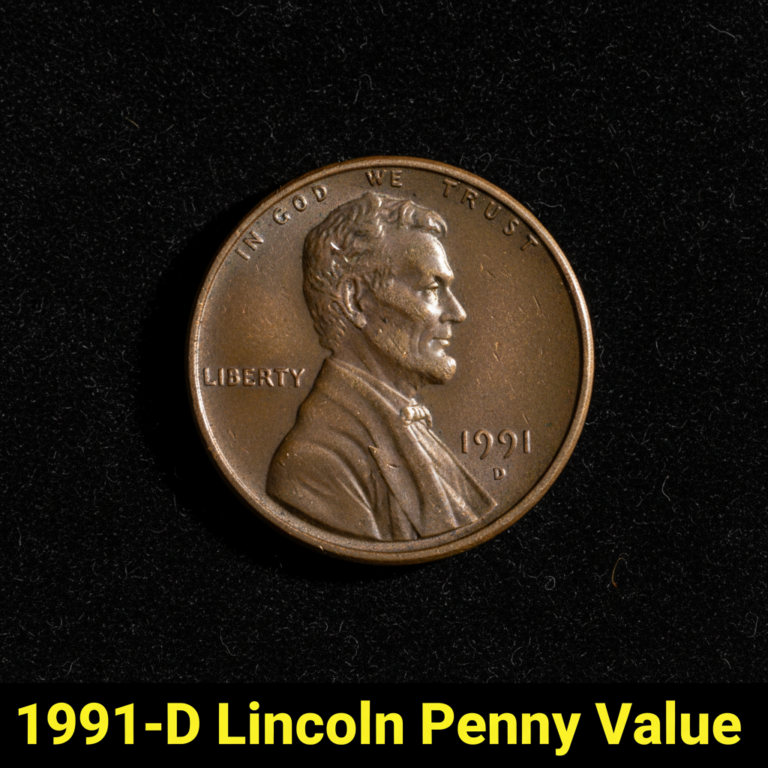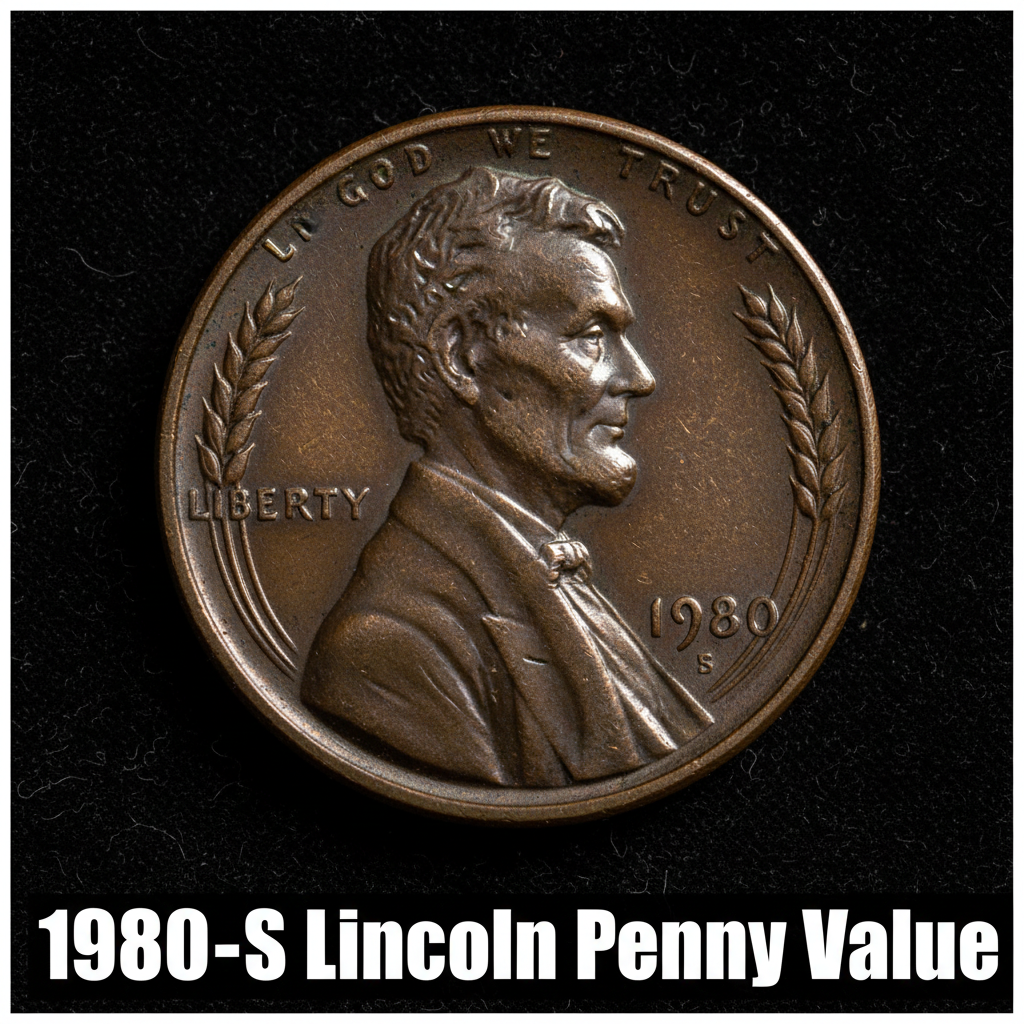
1980-S Lincoln Penny Value What It’s Worth and Why Collectors Care
The 1980-S Lincoln Penny is worth anywhere from a few cents in circulated condition to over $10 or more in pristine mint state — and if you happen to have a proof version, you could be looking at a coin worth $5 to $15 or even higher depending on its grade.
If you found one of these coins in an old jar or collection and are wondering what it’s worth, you’re in the right place. A free coin identifier app can help you quickly confirm the mint mark and grade before you dig deeper into its value. Keep reading — we’ll walk you through everything you need to know about the 1980-S Lincoln Penny in plain, simple terms.
What Makes the 1980-S Lincoln Penny Special
The “S” in 1980-S tells you this penny was minted at the San Francisco Mint. Here’s the interesting part: the San Francisco Mint didn’t produce pennies for everyday circulation in 1980. Instead, every 1980-S Lincoln Penny was struck as a proof coin — a specially made coin with sharp, mirror-like details, intended for collectors.
That means if you have one of these, it wasn’t meant to be spent at the grocery store. It was meant to be saved. Proof coins are struck with polished dies and specially treated planchets, giving them a distinct appearance that stands out compared to regular pennies from Philadelphia or Denver. The 1980-S proof penny had a mintage of about 3.5 million, which is relatively modest for a modern U.S. coin. That controlled supply, combined with its collectible nature, is why it holds more value than a typical worn Lincoln cent.
1980-S Lincoln Penny Value by Grade
Coin values depend heavily on condition. Here’s a simple breakdown of what the 1980-S Lincoln Penny is worth across different grades:
| Grade / Condition | Type | Estimated Value |
|---|---|---|
| PR-60 (Proof) | Proof | $2 – $4 |
| PR-65 (Gem Proof) | Proof | $5 – $8 |
| PR-67 (Superb Gem) | Proof | $10 – $15 |
| PR-69 or PR-70 (Near Perfect) | Proof | $20 – $50+ |
For a more detailed look at graded auction results and current 1980-S Lincoln Penny price data across mint state grades, it’s worth checking a dedicated coin pricing database before making any buying or selling decisions.
How to Tell If Your 1980-S Penny Is a Proof Coin
If you’ve never held a proof coin before, here’s how to spot one: look for a mirror-like, reflective background on the coin’s flat fields (the open areas behind Lincoln’s portrait). The raised design elements — Lincoln’s face, the lettering, the Lincoln Memorial on the reverse — should appear frosted and sharp against that shiny background. This contrast is called “cameo” or “deep cameo” and significantly boosts a coin’s value.
If your 1980-S penny looks dull, scratched, or worn, it may have been removed from a proof set and mishandled over the years. A damaged proof coin is still worth a small premium over face value, but it won’t fetch the same prices as a well-preserved example. CoinKnow is a fantastic tool for identifying these visual characteristics — it can help you determine whether your coin qualifies as cameo or deep cameo, which can make a real difference at auction.
Where to Sell or Get Your 1980-S Lincoln Penny Appraised
Once you know what you have, the next step is figuring out where to sell it — or whether it’s worth selling at all. For most circulated or lightly handled 1980-S proof pennies, the value is modest (under $10), so it may be best to hold onto it as a keepsake or add it to a collection set.
If you believe your coin is in high grade (PR-67 or better), consider getting it certified by PCGS or NGC, the two leading coin grading services in the United States. A certified grade gives buyers confidence and can help your coin sell for more. You can also check a comprehensive guide to 1980 penny values across all mint marks to compare your coin against recent sales data and understand what similar coins have sold for on the open market.
Online platforms like eBay, Heritage Auctions, and Great Collections are popular places to sell proof pennies. Local coin dealers are another option, though they typically pay wholesale prices. CoinKnow can also help you connect with the right resources for pricing and selling, making the whole process less intimidating for first-time sellers.
Tips for Storing and Protecting Your 1980-S Penny
Whether you plan to sell your coin or keep it, proper storage matters. Proof coins are especially sensitive to environmental damage — fingerprints, humidity, and even air exposure can cause toning or hazing that reduces value. Store your 1980-S Lincoln Penny in an airtight coin flip, a 2×2 mylar holder, or a certified PCGS or NGC slab if it’s already been graded.
Never clean your coin. This is one of the most common mistakes new collectors make, and it almost always lowers the coin’s value. Collectors and dealers can spot a cleaned coin immediately, and it will reduce what you can get for it at sale. If you’re unsure how to handle or store your coins, CoinKnow offers easy-to-understand guidance for beginners and experienced collectors alike.
—
FAQ
Q: Is the 1980-S Lincoln Penny rare?
A: It’s not considered rare in the traditional sense — about 3.5 million were minted — but it is a collector coin since it was only made as a proof at the San Francisco Mint. High-grade examples, especially those graded PR-69 or PR-70, are less common and more valuable.
Q: Can I find a 1980-S penny in circulation?
A: It’s very unlikely. The 1980-S penny was never released into general circulation. They were sold in proof sets by the U.S. Mint. If you find one loose, it likely came from a proof set that was broken up at some point.
Q: How do I know what grade my 1980-S penny is?
A: Look at the coin under good lighting and a magnifying glass. Check for scratches, hairlines, and the quality of the mirror finish. For a definitive grade, submit it to PCGS or NGC. You can also use a tool like CoinKnow to get a preliminary idea of condition before deciding whether professional grading is worth the cost.