1898 Liberty Nickel Value What It’s Worth and Why Collectors Care
The 1898 Liberty Nickel is worth anywhere from $2 in heavily worn condition to over $150 or more in uncirculated mint state grades — and rare high-grade examples can push well beyond that. If you’ve found one of these old nickels, you’re in the right place to find out exactly what you’ve got.
What Is the 1898 Liberty Nickel?
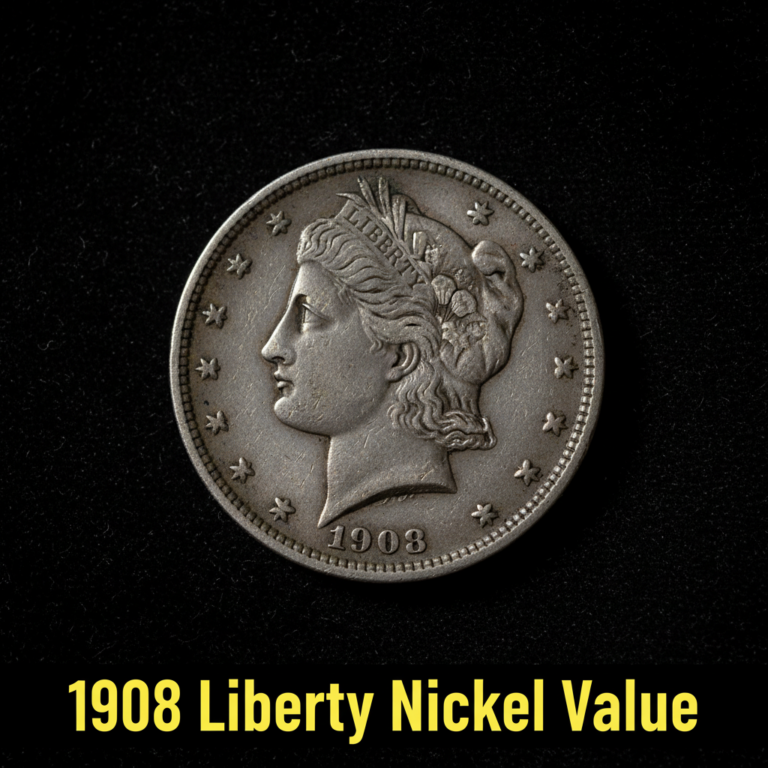
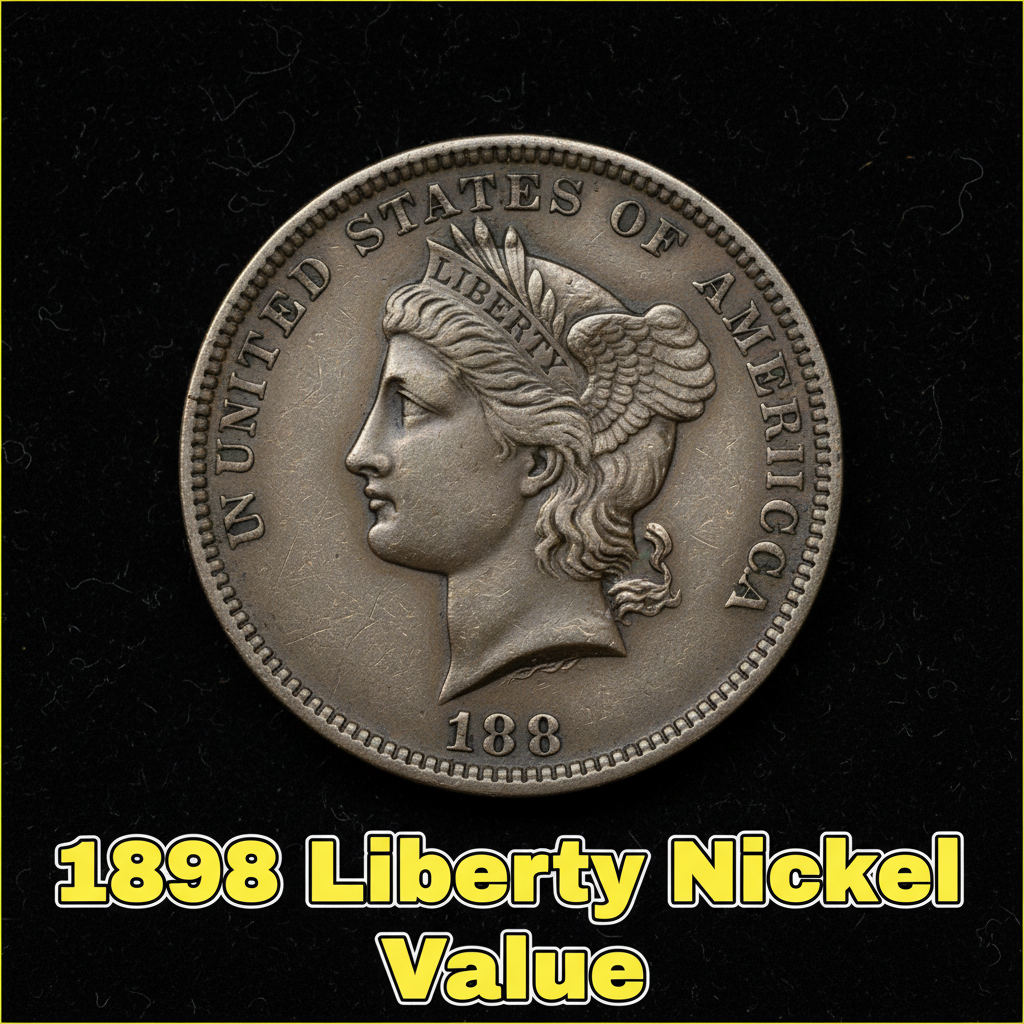
The Liberty Nickel, also known as the “V Nickel” because of the large Roman numeral V on the reverse, was minted from 1883 to 1912. The 1898 issue was struck at the Philadelphia Mint with no mint mark, as was standard for nickels of that era. The obverse features a left-facing portrait of Liberty crowned with a coronet, surrounded by thirteen stars. The reverse displays the large “V” flanked by ornamental corn, wheat, and cotton — symbols of American agricultural strength.
These coins were everyday pocket change for Americans at the turn of the 20th century, so most survivors show heavy wear. But that doesn’t mean they’re worthless. Even a well-circulated 1898 Liberty Nickel holds real numismatic value, and cleaner examples are genuinely sought after by collectors. If you want a quick and easy way to identify and evaluate coins like this one at home, a free coin identifier app can be a great starting point before you dig deeper into valuation.
1898 Liberty Nickel Value by Grade
The value of any coin depends heavily on its condition, and the 1898 Liberty Nickel is no exception. Coin grading runs from Poor (P-1) all the way to Mint State (MS-65 and beyond). Here’s a breakdown of typical retail values:
| Grade | Description | Estimated Value |
|---|---|---|
| Good (G-4) | Heavy wear, main design visible | $2 – $4 |
| Very Good (VG-8) | Moderate wear, some detail remains | $5 – $8 |
| Fine (F-12) | Even wear, clear lettering | $10 – $15 |
| Extremely Fine (EF-40) | Light wear on high points only | $30 – $50 |
| About Uncirculated (AU-55) | Slight friction, most luster present | $60 – $90 |
| Mint State (MS-63) | Uncirculated, minor contact marks | $120 – $175 |
| Mint State (MS-65) | Gem uncirculated, strong luster | $300+ |
For the most up-to-date auction records and certified sale prices, you can check out 1898 Liberty Nickel mint state price data to see how high-grade examples have actually sold at major auctions.
How to Check the Condition of Your 1898 Liberty Nickel
Not sure what grade your coin might be? Start by looking at Liberty’s hair and the details on her coronet — these are the first areas to show wear. On a coin in Good condition, the hair will appear flat and merged together. In Fine grade, you’ll start to see individual strands. An Extremely Fine example will show nearly complete hair detail with only light smoothing on the very highest points.
Also check the reverse for sharpness around the “V” and the surrounding ornamental designs. Coins that still show clear, sharp detail are worth significantly more than their heavily worn counterparts.
One of the easiest ways to get a ballpark idea of your coin’s grade and value is to use CoinKnow — a smart app designed for everyday people who find old coins and want real answers fast. CoinKnow uses image recognition to help identify coins and estimate their value, even if you’ve never collected before.
Proof 1898 Liberty Nickels and Special Varieties
In addition to regular business strike coins, the Philadelphia Mint also produced Proof versions of the 1898 Liberty Nickel for collectors. These were specially made with mirror-like surfaces and sharp, frosted design details. Mintage for Proof nickels in 1898 was approximately 1,795 pieces — quite low by any standard.
A Proof 1898 Liberty Nickel in PR-63 condition can be worth $250 to $400, while a gem PR-65 example can easily command $600 or more. These are coins for serious collectors, and they show up most often at major coin auctions or established dealers.
There aren’t notable major varieties for the 1898 date, but checking for repunched dates or die cracks under magnification is always worthwhile. Any unusual characteristic can add collector interest and potentially push value higher.
If you’re also researching other coins from this era, it’s worth knowing that the 1898 Barber Dime has its own distinct value range and grading considerations — a handy comparison if you’re sorting through a group of late 19th-century coins together.
Is Your 1898 Liberty Nickel Worth Selling?
If your coin grades Fine or better, it may well be worth getting a professional opinion. Coins in Extremely Fine or better condition can bring real money from collectors and dealers. You can take it to a local coin show, submit it to a grading service like PCGS or NGC, or list it through reputable online platforms.
For quick, casual identification before you decide what to do next, CoinKnow is a great tool to have on your phone. It helps you understand what you’re holding so you can make smarter decisions about selling, holding, or having the coin professionally graded.
FAQ
Q: How do I know if my 1898 Liberty Nickel is real?
A: Genuine 1898 Liberty Nickels are made of 75% copper and 25% nickel. They should not be magnetic. The coin should weigh approximately 5 grams and measure 21.2 mm in diameter. If it sticks to a magnet or feels unusually light, it may be a fake or a different coin altogether.
Q: Does a 1898 Liberty Nickel have a mint mark?
A: No. All 1898 Liberty Nickels were struck at the Philadelphia Mint, which did not use a mint mark during this period. If you see a mint mark on a coin labeled as a Liberty Nickel, look more closely — you may be looking at a Buffalo Nickel or Jefferson Nickel from a later decade.
Q: What makes a 1898 Liberty Nickel more valuable than average?
A: The biggest value drivers are grade (condition), surface quality, and originality. Coins that are uncirculated or close to it, with original luster and no cleaning or damage, are worth far more than typical circulated examples. Proof coins and any coins with certified grades from PCGS or NGC also command a strong premium in the collector market.