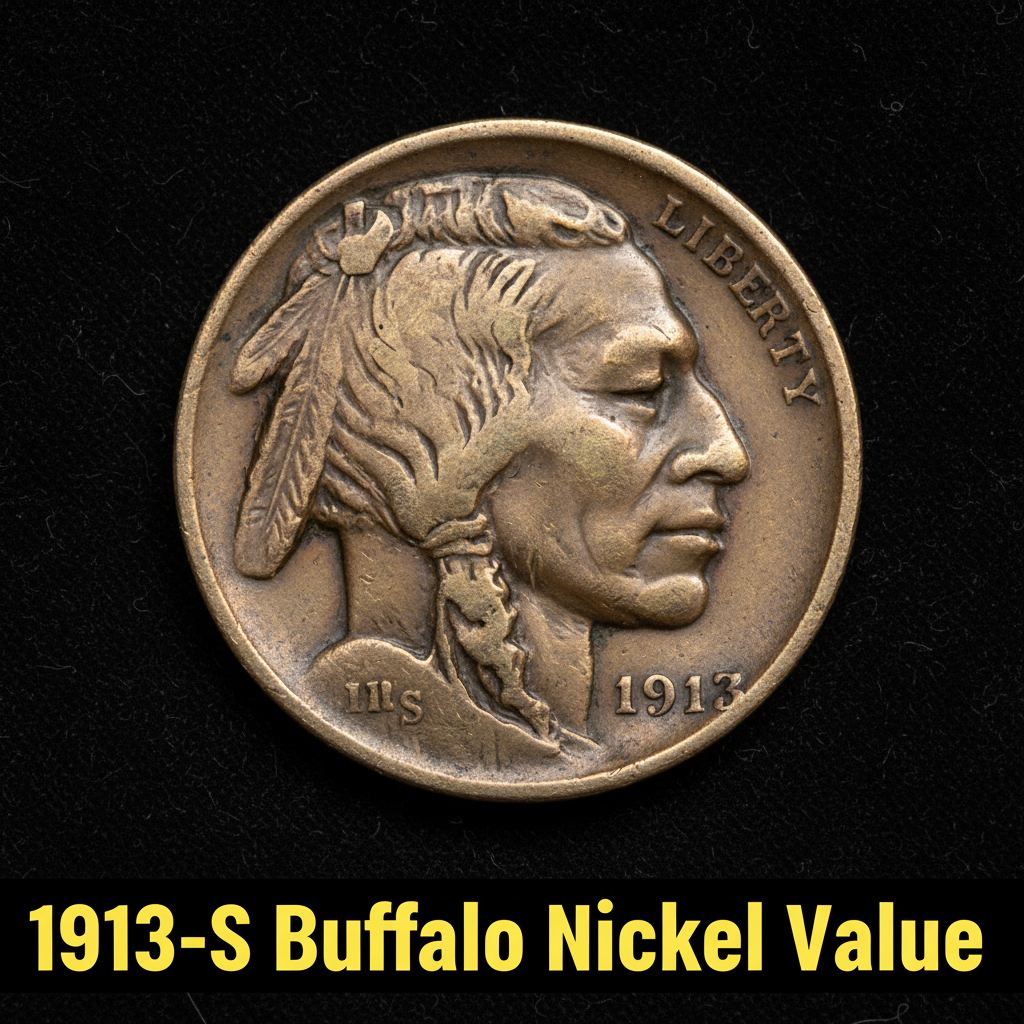
1913-S Buffalo Nickel Value Guide What This Rare Coin Is Worth Today
The 1913-S Buffalo Nickel is worth anywhere from $30 in heavily worn condition to over $2,000 or more in high mint state grades — and certain varieties can push that number even higher. If you found one of these old nickels in a jar, drawer, or inherited collection, you might be sitting on a genuinely valuable piece of American history.
Whether you’re a casual collector or someone who just stumbled onto an old coin, using a free coin identifier app is a great first step to confirm what you have before diving deeper into the numbers.
What Makes the 1913-S Buffalo Nickel Special
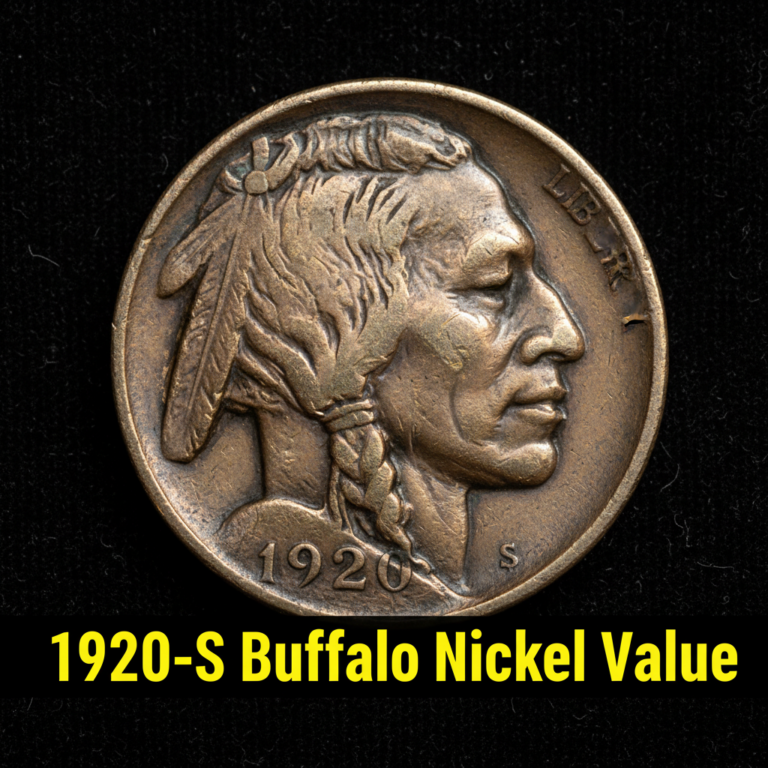
The 1913-S Buffalo Nickel was struck at the San Francisco Mint and carries a small “S” mintmark on the reverse, just below the words “FIVE CENTS.” This was the very first year the Buffalo Nickel — officially known as the Indian Head Nickel — was produced. That alone makes every 1913-dated coin historically significant.
What adds even more intrigue is that the 1913 Buffalo Nickel comes in two distinct design types. Type 1 features a bison standing on a raised mound of dirt, while Type 2 shows the bison on a flat ground line. The San Francisco Mint produced both types in 1913. The Type 1 mintage from San Francisco was 2,105,000 coins, and Type 2 came in at 1,209,000 — making both relatively scarce compared to Philadelphia issues of the same year.
This combination of first-year status, lower mintage, and historical design makes the 1913-S one of the most talked-about Buffalo Nickels among collectors and everyday coin hunters alike.
1913-S Buffalo Nickel Value by Grade
Coin values depend heavily on condition, which is measured using a grading scale from Poor (P-1) to Mint State (MS-70). Here’s a general breakdown of what the 1913-S Buffalo Nickel is worth across common grades:
| Grade | Type 1 Value (Approx.) | Type 2 Value (Approx.) |
|---|---|---|
| Good (G-4) | $30 – $45 | $45 – $65 |
| Fine (F-12) | $80 – $120 | $110 – $160 |
| Extremely Fine (EF-40) | $200 – $300 | $275 – $375 |
| About Uncirculated (AU-55) | $450 – $650 | $550 – $800 |
| Mint State (MS-63) | $900 – $1,500 | $1,200 – $2,000+ |
For a more detailed and up-to-date look at certified auction prices and population data, this comprehensive 1913-S Buffalo Nickel Type 1 price chart by grade is an excellent reference to bookmark.
How to Tell Type 1 from Type 2
One of the most common questions people have when they find a 1913-S Buffalo Nickel is figuring out which type they have — and it’s actually pretty easy once you know what to look for.
Flip the coin to the reverse and look at where the bison is standing. If the animal stands on a raised oval mound with the words “FIVE CENTS” carved into it, you have a Type 1. If the bison stands on a flat, plain ground line with “FIVE CENTS” written in raised letters below it, that’s a Type 2.
The Type 2 design was introduced because coin designers realized the raised mound on Type 1 caused the “FIVE CENTS” lettering to wear down quickly in circulation — making the denomination hard to read on heavily used coins. The U.S. Mint made the switch mid-year in 1913, which is why both types exist.
This distinction matters for value. Type 2 examples from San Francisco generally command a small premium over Type 1 in comparable grades, due to slightly lower mintage and collector demand.
What Condition Does to the Price
Condition is everything in the coin world. A 1913-S Buffalo Nickel that has spent decades in someone’s pocket will look very different from one that was put away in a collection decades ago and barely touched.
Key things graders look for on this coin include:
– The date — Buffalo Nickels are notorious for having their dates wear off first. A clear, full date is essential for value.
– The horn on the bison — This is a high-relief point that wears quickly. A sharp horn adds significant value.
– The cheekbone and hair of the Native American portrait — Look for distinct lines and definition.
– Luster on uncirculated examples — Original mint luster (that faint cartwheel shine) dramatically raises the value.
If your coin has a full date and visible horn detail, it’s already worth more than average examples in the same grade. A professional appraisal or third-party grading service like PCGS or NGC can help confirm what you have.
You can also explore detailed 1913 Buffalo Nickel value information by date, mintmark, and grade to see how your specific coin compares to recent market data.
Using Modern Tools to Identify and Value Your Coin
Gone are the days when you had to drive to a coin shop just to get a ballpark number. Today, there are smartphone apps that can help you identify old coins and get instant value estimates right from your kitchen table.
CoinKnow is one of the most trusted apps for this kind of research. With CoinKnow, you can photograph your 1913-S Buffalo Nickel, and the app will analyze the design, mintmark, and condition details to give you an estimated value range based on current market data. It’s especially helpful for distinguishing Type 1 from Type 2 and catching key date varieties you might otherwise miss.
Whether you’re just curious or thinking about selling, CoinKnow gives you a solid starting point without any guesswork.
—
FAQ
Q: How do I know if my 1913-S Buffalo Nickel is Type 1 or Type 2?
A: Look at the reverse of the coin. Type 1 shows the bison standing on a raised dirt mound with “FIVE CENTS” incused into the mound. Type 2 has the bison on a flat ground line with “FIVE CENTS” in raised letters. Type 2 is generally worth a bit more.
Q: My 1913-S Buffalo Nickel has no date — is it still worth anything?
A: Unfortunately, a dateless Buffalo Nickel is worth only a few dollars as a novelty or filler coin. The date is critical to establishing the coin’s identity and value. Some collectors use a chemical date-restoration solution, but this typically doesn’t increase collector value and is generally not recommended.
Q: Should I clean my 1913-S Buffalo Nickel before selling it?
A: No — never clean an old coin. Cleaning removes the original surface and destroys mint luster, which can reduce the coin’s value by 50% or more. Collectors and dealers strongly prefer coins in their original, uncleaned state, even if they look a little dull or dirty.