1859 Indian Head Penny Value: What Collectors Need to Know
The 1859 Indian Head Penny holds a special place in American numismatic history. As the very first year of the Indian Head cent series, this coin attracts serious attention from collectors nationwide. Understanding the 1859 Indian Head penny value can help you make smarter decisions whether you’re buying, selling, or simply building your collection.
## The History Behind the 1859 Indian Head Penny
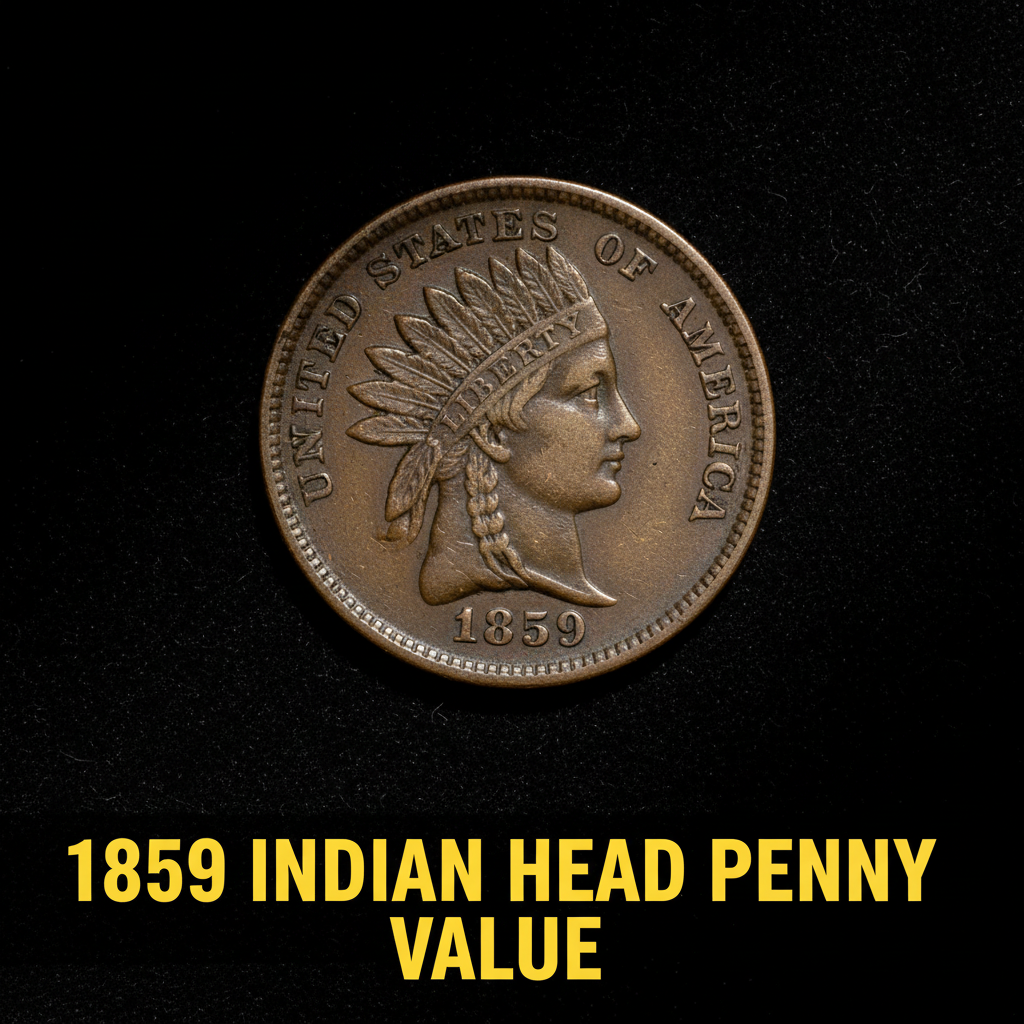
The Indian Head cent was introduced by the U.S. Mint in 1859, replacing the Flying Eagle cent. Designed by Chief Engraver James B. Longacre, this coin featured a portrait of Liberty wearing a Native American headdress — a design that would become iconic in American coinage. The 1859 issue is unique because it was the only year to feature a laurel wreath on the reverse, rather than the oak wreath with shield that appeared on later dates. This single-year reverse design makes the 1859 Indian Head penny especially desirable among collectors. Approximately 36,400,000 coins were struck at the Philadelphia Mint that year, all without a mint mark. While that sounds like a large number, finding well-preserved examples today is far from easy, and condition plays a massive role in determining the coin’s actual market value.
## 1859 Indian Head Penny Value by Grade
The value of any coin depends heavily on its grade, and the 1859 Indian Head penny is no exception. Circulated examples in lower grades remain accessible for most collectors, while uncirculated specimens command significant premiums. If you’re unsure of your coin’s grade, consider using a free coin identifier app like the ones reviewed at [designsofhome.com/top-6-free-coin-identifier-apps/](https://designsofhome.com/top-6-free-coin-identifier-apps/) — these tools can give you a quick starting point before sending your coin to a professional grading service.
Here’s a general value guide based on current market trends:
| Grade | Estimated Value |
|——-|—————-|
| Good (G-4) | $15 – $20 |
| Very Good (VG-8) | $22 – $30 |
| Fine (F-12) | $35 – $50 |
| Very Fine (VF-20) | $55 – $80 |
| Extremely Fine (EF-40) | $100 – $150 |
| About Uncirculated (AU-50) | $175 – $250 |
| MS-60 (Uncirculated) | $300 – $400 |
| MS-63 (Choice Uncirculated) | $500 – $700 |
| MS-65 (Gem Uncirculated) | $1,500 – $2,500+ |
Proof examples, which were struck specifically for collectors, can fetch several thousand dollars depending on cameo contrast and preservation quality.
## Key Factors That Affect the 1859 Indian Head Penny Value
Several variables beyond grade influence what your coin is actually worth on the open market. **Strike quality** is one important factor — some 1859 cents were weakly struck, especially on the hair detail above Liberty’s ear and on the feathers of the headdress. A sharply struck example will always attract more buyer interest and higher bids. **Luster** is equally critical for uncirculated coins; original, unbroken mint luster dramatically boosts desirability.
**Color designation** also plays a role for uncirculated coins. PCGS and NGC classify copper coins as Red (RD), Red-Brown (RB), or Brown (BN). A gem MS-65 Red example can be worth two to three times more than the same grade in Brown. **Surface preservation** matters enormously as well — coins free from cleaning, harsh whizzing, or environmental damage will always outperform altered examples.
The CoinKnow app is an excellent tool for collectors who want quick, on-the-go reference data on coins like the 1859 Indian Head penny. It provides historical context, mintage figures, and value estimates, making it a handy companion at coin shows or estate sales.
## Where to Buy and Sell the 1859 Indian Head Penny
Whether you’re adding to your collection or liquidating coins, knowing where to transact is half the battle. Reputable auction houses like Heritage Auctions and Stack’s Bowers regularly feature certified 1859 Indian Head cents, often with detailed condition notes and provenance information. Online marketplaces such as eBay offer a wide range of options but require more buyer caution — always look for PCGS or NGC certified examples to avoid overgraded or cleaned coins.
Local coin shows and shops can also be great hunting grounds, especially for circulated examples in the G through VF range. Many seasoned collectors use the CoinKnow app while browsing dealers to quickly cross-reference asking prices against current market data — a smart habit that can save you real money. For beginners looking to identify coins before purchasing, a reliable free coin identifier app is an invaluable first resource before committing to any transaction.
## Tips for New Collectors Pursuing This Key Date
If you’re new to Indian Head cents, the 1859 is a fantastic starting point — it’s historic, visually distinct, and available in circulated grades at approachable prices. Focus first on coins with honest wear and no signs of cleaning. A coin that grades Fine with original surfaces is almost always preferable to one grading Very Fine with evidence of polishing. Join collector forums and PCGS CoinFacts to study population reports and understand how rare high-grade examples truly are.
—
## Frequently Asked Questions
**Q: What makes the 1859 Indian Head penny different from later dates?**
A: The 1859 is the only year in the series to feature a laurel wreath reverse. All subsequent Indian Head cents (1860–1909) used an oak wreath with a small shield at the top, making the 1859 design unique and highly collectible.
**Q: Is a 1859 Indian Head penny with no mint mark normal?**
A: Yes, absolutely. All 1859 Indian Head pennies were struck at the Philadelphia Mint, which did not use a mint mark during this era. A lack of mint mark on this coin is expected and does not reduce its value.
**Q: How can I tell if my 1859 Indian Head penny has been cleaned?**
A: Cleaned coins typically show an unnatural brightness, hairline scratches under magnification, or a dull, washed-out appearance despite looking shiny. Professional grading services like PCGS or NGC will designate cleaned coins as “details” grades, which significantly reduces their market value. Using a free coin identifier app can also help flag potential issues before professional evaluation.