1864 Copper-Nickel Indian Head Penny Value and What Collectors Are Paying Today
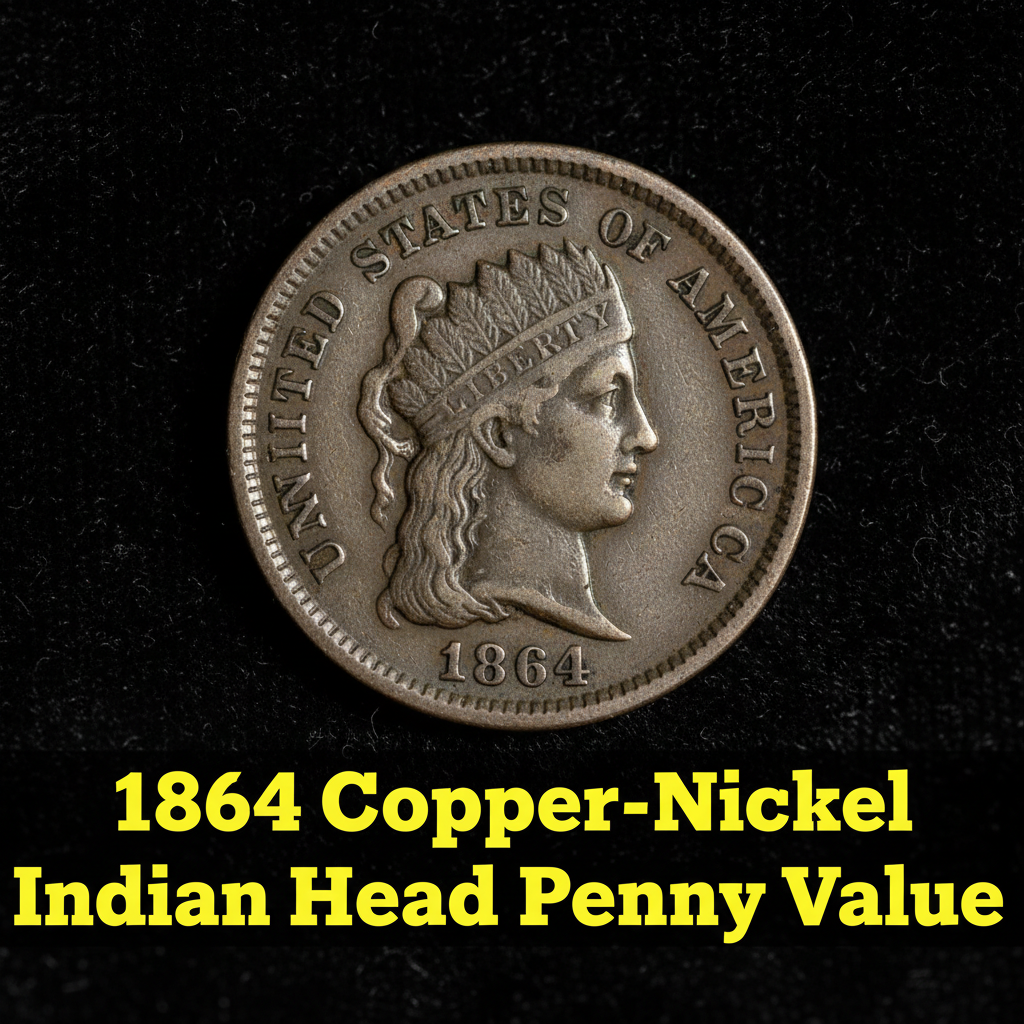
The 1864 Copper-Nickel Indian Head Penny is worth anywhere from $8 in heavily worn condition to over $300 or more in high-grade mint state examples. If you’ve just found one of these in an old jar, a drawer, or inherited it from a relative, you’re holding a coin that’s over 160 years old — and it may be worth more than you think. This guide will walk you through everything you need to know, from how to identify the copper-nickel version to what factors drive its value up or down.
How to Identify the 1864 Copper-Nickel Indian Head Penny
Before you get excited about value, you need to make sure you actually have the copper-nickel version — not the bronze one. Here’s why this matters: 1864 was a transitional year for the Indian Head Penny. The U.S. Mint produced two different compositions that same year. The earlier version was struck in 88% copper and 12% nickel, giving the coin a lighter, almost grayish color. Later in 1864, they switched to bronze (95% copper, 5% tin and zinc), which has a warmer, reddish-brown tone.
The easiest way to tell them apart is by weight. The copper-nickel version weighs 4.67 grams, while the bronze version weighs 3.11 grams. If you have a precise digital scale, that alone can tell you which one you’ve got. You can also use a free coin identifier app to scan your coin and get an instant reading — many of these apps can help narrow down the variety based on photos and weight data. For a more streamlined experience, CoinKnow is a popular choice among everyday collectors for identifying and valuing old coins quickly.
1864 Copper-Nickel Indian Head Penny Value by Grade
The grade of your coin is the single biggest factor in its value. Coin grading runs from Poor (P-1) at the lowest end to Mint State 70 (MS-70) at the top. For most people who find an old coin, the realistic range is Good (G-4) to Extremely Fine (EF-45), unless the coin was stored away in excellent condition.
Here’s a general value guide based on current market data:
| Grade | Description | Estimated Value |
|---|---|---|
| Good (G-4) | Heavy wear, design visible | $8 – $15 |
| Very Good (VG-8) | Moderate wear, clearer details | $15 – $30 |
| Fine (F-12) | Even wear, all features visible | $30 – $55 |
| Very Fine (VF-20) | Light wear on high points | $55 – $90 |
| Extremely Fine (EF-45) | Slight wear, sharp details | $90 – $150 |
| Mint State (MS-63) | Uncirculated, minor blemishes | $200 – $350+ |
Keep in mind these are approximate retail values. Auction results can vary, and a particularly clean example with original luster can push prices even higher.
What Makes Some 1864 Copper-Nickel Pennies Worth More
Beyond grade, a few other things can significantly affect what a buyer will pay for your coin. Surface quality is one of them — coins that have been cleaned, polished, or artificially toned are generally worth less than those with original surfaces, even if they look shinier at first glance. Collectors call this “net grading,” and a cleaned coin might be docked several grade levels in terms of price.
Strike quality also matters. Some 1864 copper-nickel pennies came off the press with weak strikes, meaning fine details in Lady Liberty’s hair or the feathers in her headdress look soft and blurry. A well-struck example with sharp details commands a premium.
Eye appeal is a real thing in coin collecting. Two coins graded the same can sell for very different prices based on how attractive they look overall. If your coin has a nice, even color and no distracting marks, that works in your favor.
Should You Get Your 1864 Indian Head Penny Graded?
If you think your coin is in Very Fine condition or better, professional grading from PCGS or NGC could be worth it. These services authenticate the coin, assign an official grade, and seal it in a tamper-evident holder. A graded coin almost always sells for more than a raw (ungraded) one because buyers know exactly what they’re getting.
For a coin worth $100 or less in raw condition, grading fees may eat into your profit — so weigh the cost carefully. If you’re not sure where to start, CoinKnow offers a grading guide and value estimator that can help you decide whether professional grading makes financial sense for your specific coin.
Where to Sell a 1864 Copper-Nickel Indian Head Penny
Once you know what you have, selling options include eBay, Heritage Auctions, local coin shops, and coin shows. eBay gives you the widest audience, but you’ll pay seller fees. A coin dealer will offer you a lower price (usually 50–70% of retail) but you get paid immediately with no hassle. For higher-value examples, auction houses like Heritage or Stack’s Bowers often achieve the best prices. You can also use CoinKnow to connect with a community of collectors who are actively buying.
FAQ
Q: How do I know if my 1864 Indian Head Penny is copper-nickel or bronze?
A: The easiest method is to weigh it. The copper-nickel version weighs 4.67 grams; the bronze version weighs 3.11 grams. You can also look at the color — copper-nickel coins appear lighter and grayer compared to the warmer reddish-brown of the bronze issue.
Q: Is a worn 1864 copper-nickel penny worth keeping or selling?
A: Even heavily worn examples in Good condition are worth $8–$15, which is well above face value. If your coin has better detail or original surfaces, it could be worth significantly more. It’s worth getting a quick estimate before you decide to sell.
Q: What’s the most valuable 1864 copper-nickel Indian Head Penny ever sold?
A: Top-grade examples in MS-65 or higher have sold at auction for $1,000 or more. The finest known specimens with full red luster can reach several thousand dollars, though these are extremely rare. Most circulated examples fall into the more modest value ranges shown in the table above.