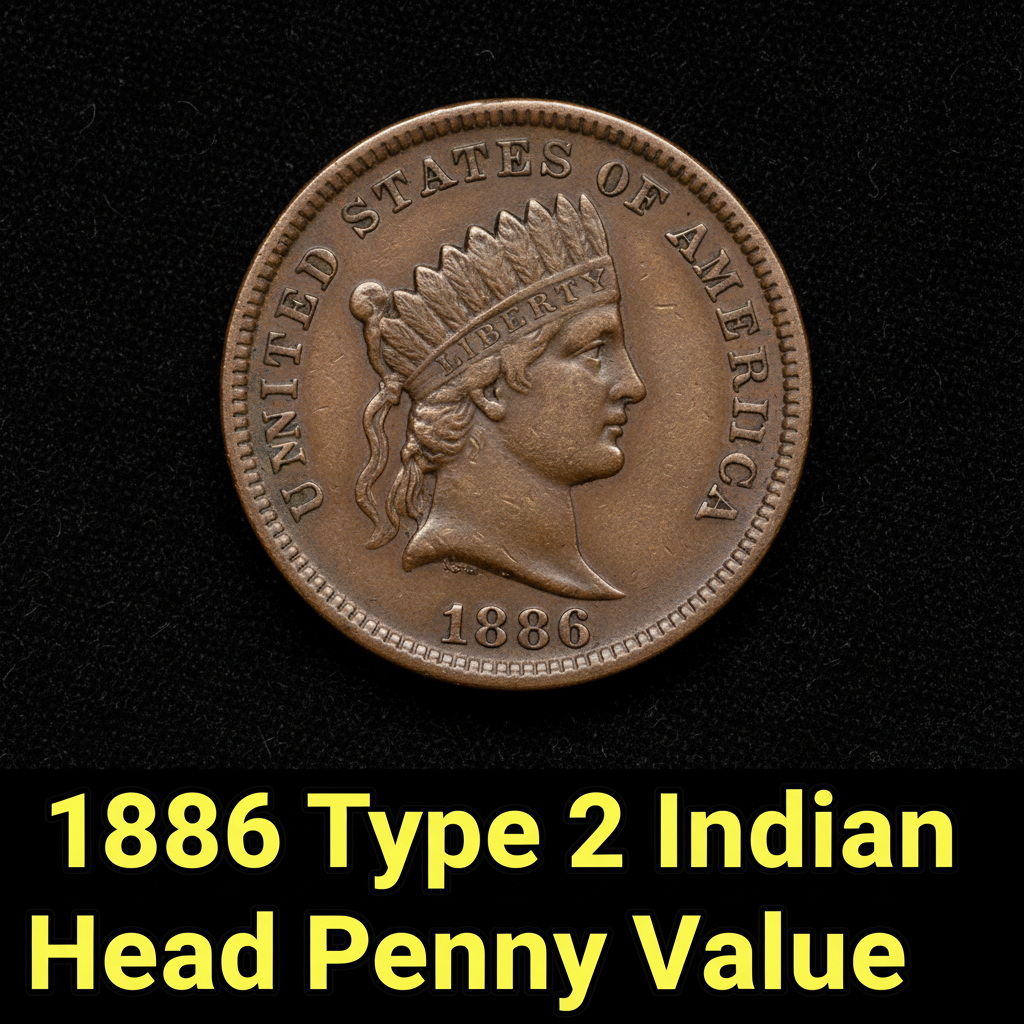
1886 Type 2 Indian Head Penny Value What It’s Really Worth Today
The 1886 Type 2 Indian Head Penny is worth anywhere from $3 in heavily worn condition to over $300 or more in mint state. If you’ve got one sitting in a jar or an old coin collection, you might be holding onto something more valuable than you think. Let’s break down exactly what this coin is worth and why.
What Makes the 1886 Type 2 Different from Type 1?
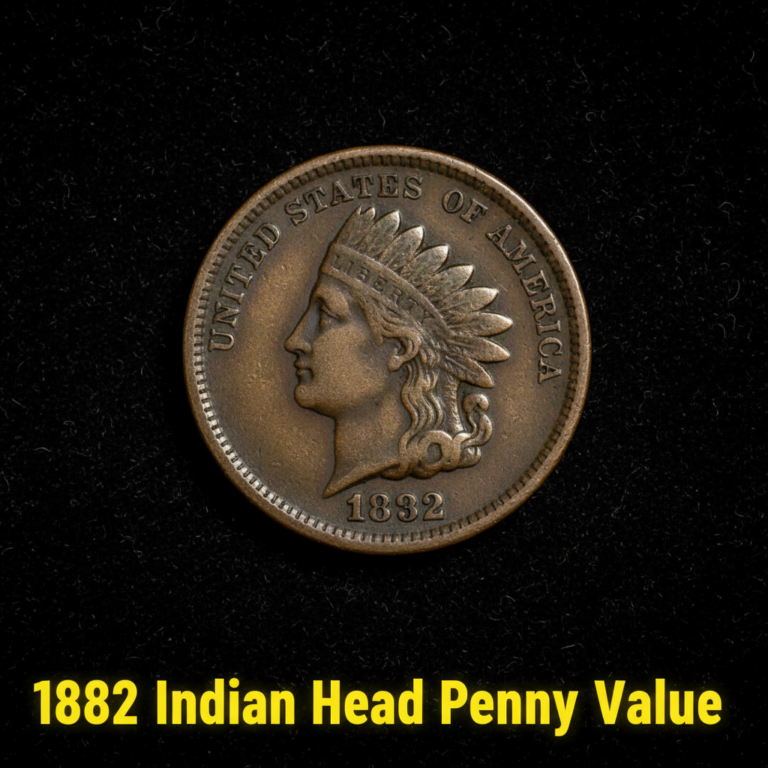
Before diving into values, it helps to understand why there are two types of the 1886 Indian Head Penny in the first place. This is one of the most interesting quirks in 19th-century U.S. coinage. The U.S. Mint actually changed the design mid-year in 1886, which is why collectors distinguish between Type 1 and Type 2.
On the Type 1, the last feather in the headdress points between the “I” and “C” of “AMERICA.” On the Type 2, that same feather points directly toward — or between — the “C” and “A.” It’s a subtle difference, but it matters enormously to collectors and directly affects the coin’s value.
If you’re not sure which type you have, a free coin identifier app can help you zoom in and compare your coin’s design features against known examples. Tools like CoinKnow are especially handy for this kind of quick identification — just snap a photo and let the app do the work.
The Type 2 tends to be more available than Type 1 in higher grades, which influences pricing across the board.
1886 Type 2 Indian Head Penny Value by Grade
Coin value is all about condition. A coin that’s been passed around in pockets for a century looks very different from one that was tucked away in a cabinet since it was minted. Here’s a general breakdown of what the 1886 Type 2 Indian Head Penny is worth at various grades:
| Grade | Description | Estimated Value |
|---|---|---|
| Good (G-4) | Heavy wear, design visible | $3 – $6 |
| Very Good (VG-8) | Moderate wear, major details clear | $6 – $12 |
| Fine (F-12) | Even wear across design | $12 – $20 |
| Very Fine (VF-20) | Light wear on high points | $20 – $35 |
| Extremely Fine (EF-40) | Slight wear, sharp details | $45 – $75 |
| About Uncirculated (AU-55) | Trace wear, near full luster | $90 – $150 |
| Mint State (MS-63+) | No wear, original mint luster | $200 – $400+ |
For a deeper look at certified sale prices and how this coin has performed at auction, check out this detailed price chart for the 1886 Indian Head Penny in mint red condition, which tracks real market data across grades.
How Mint State Color Affects the 1886 Type 2 Penny’s Price
If your coin is truly uncirculated, there’s another layer to the value equation — color designation. Grading services like PCGS and NGC assign one of three labels to mint state copper coins:
– Red (RD): The coin still has 95% or more of its original copper-red mint luster. These command the highest prices.
– Red-Brown (RB): A mix of original red and natural toning. Mid-range in value.
– Brown (BN): The coin has naturally toned to a brown or chocolate color. Still collectible, but valued lower than RD or RB examples.
A mint state 1886 Type 2 Indian Head Penny graded MS-64 Red can sell for well north of $300, while the same coin in Brown might only bring $100–$150. Color matters a lot in this series. If you want to understand how color grading plays into overall Indian Head Penny values, browsing comparable value data for other late 1800s Indian Head Penny dates can give you a great point of reference.
Tips for Getting the Most Accurate Value
So you’ve identified your coin as an 1886 Type 2 — great. Now what? Here are a few practical steps to figure out what yours is truly worth:
1. Check the condition honestly. Look at the coin in good lighting. Is the detail sharp or worn smooth? The difference between Fine and Very Fine can mean $10–$15, and that gap widens significantly as you move toward mint state.
2. Don’t clean it. This is the golden rule. Cleaning a coin — even with water and a soft cloth — removes the natural patina and can cut its value in half. Leave it exactly as you found it.
3. Use a coin grading app. CoinKnow allows you to photograph your coin and get an instant estimate based on visible wear patterns and market comparables. It’s one of the fastest ways to get a ballpark value before visiting a dealer.
4. Get it professionally graded if it looks mint state. If your coin appears to have no wear and has its original luster, it may be worth the cost of professional grading through PCGS or NGC. A certified MS-63 or higher coin is far easier to sell at full market value.
Is the 1886 Type 2 Indian Head Penny Rare?
The 1886 Type 2 had a mintage that’s harder to pin down precisely because the Mint didn’t track the two types separately that year. Overall, the 1886 Philadelphia issue produced about 17.6 million coins combined. That’s actually a moderate mintage for the series — not rare by absolute numbers, but the Type 2 is generally considered scarcer than the Type 1 in terms of survival rates in higher grades.
For date-and-type collectors, the 1886 Type 2 is a must-have coin. Competition for high-grade examples keeps prices healthy. In circulated grades, though, this is still an affordable and accessible coin for anyone building an Indian Head Penny set. Whether you’re a casual finder or a dedicated collector, CoinKnow can help you track your collection’s value over time and alert you to market shifts.
FAQ
Q: How do I tell if my 1886 Indian Head Penny is Type 1 or Type 2?
A: Look at the last feather in Lady Liberty’s headdress on the obverse. If it points between the letters “I” and “C” in AMERICA, it’s a Type 1. If it points between the “C” and “A,” it’s a Type 2. A magnifying glass or a coin app like CoinKnow makes this much easier to see.
Q: Is an 1886 Type 2 penny in worn condition worth keeping?
A: Absolutely. Even heavily worn examples in Good to Fine condition are worth $3–$20, and they’re meaningful pieces of 19th-century American history. If you’re building a set of Indian Head Pennies by date, this one belongs in your collection regardless of grade.
Q: Where is the best place to sell an 1886 Type 2 Indian Head Penny?
A: Your best options are coin dealers, local coin shows, or online platforms like eBay and Heritage Auctions. For higher-grade coins, getting a PCGS or NGC certification first will usually result in a higher final sale price and faster buyer interest.