1933-D Wheat Penny Value and What Your Coin Could Be Worth Today
The 1933-D Wheat Penny is worth anywhere from $0.35 in heavily worn condition to over $100 or more in mint state — and rare high-grade examples have sold for several hundred dollars at auction. If you just found one in an old coin jar or inherited collection, you’re in the right place.
What Makes the 1933-D Wheat Penny Special
The “D” in 1933-D stands for Denver, meaning this penny was struck at the Denver Mint during the height of the Great Depression. While it’s not a rare coin in the traditional sense, it holds real historical weight. Coin production was drastically cut back in 1933 as the U.S. economy struggled, making surviving examples in good condition harder to find than you might expect.
The 1933-D Wheat Penny was minted with a total mintage of around 6,200,000 coins — modest by modern standards, but enough that many still circulate through collections and estate sales today. If you’re not sure what you’re holding, a free coin identifier app can help you quickly figure out the mint mark, date, and condition right from your phone. Tools like CoinKnow make it easy to photograph your coin and get an instant identification and value estimate, which is especially helpful if you’re new to coin collecting.
The key thing to understand is that condition — what coin collectors call “grade” — has an enormous impact on value. A heavily circulated 1933-D penny might only be worth a few dollars, while one in near-perfect mint state can jump to triple digits.
1933-D Wheat Penny Value by Grade
Here’s a breakdown of approximate market values depending on the grade of your coin. These are general retail estimates based on current market trends:
| Grade | Description | Estimated Value |
|---|---|---|
| Good (G-4) | Heavy wear, design visible | $0.35 – $1.00 |
| Very Good (VG-8) | Moderate wear, clearer detail | $1.50 – $3.00 |
| Fine (F-12) | Even wear, all lettering visible | $3.50 – $6.00 |
| Extremely Fine (EF-40) | Light wear on high points | $10 – $20 |
| About Uncirculated (AU-55) | Slight wear, most luster intact | $25 – $45 |
| Mint State (MS-63) | No wear, some contact marks | $75 – $125 |
| Gem Mint State (MS-65+) | Sharp strike, full original luster | $200 – $500+ |
For the most accurate and up-to-date pricing, you can check the 1933-D Wheat Penny price data in mint red condition to see how certified examples are trending at major auction houses.
How to Identify Your 1933-D Wheat Penny
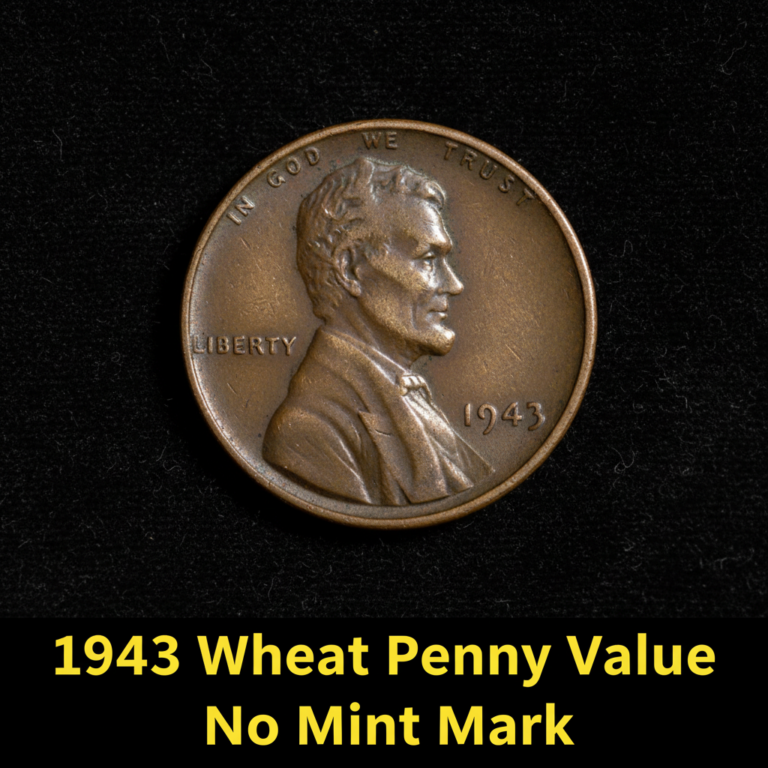
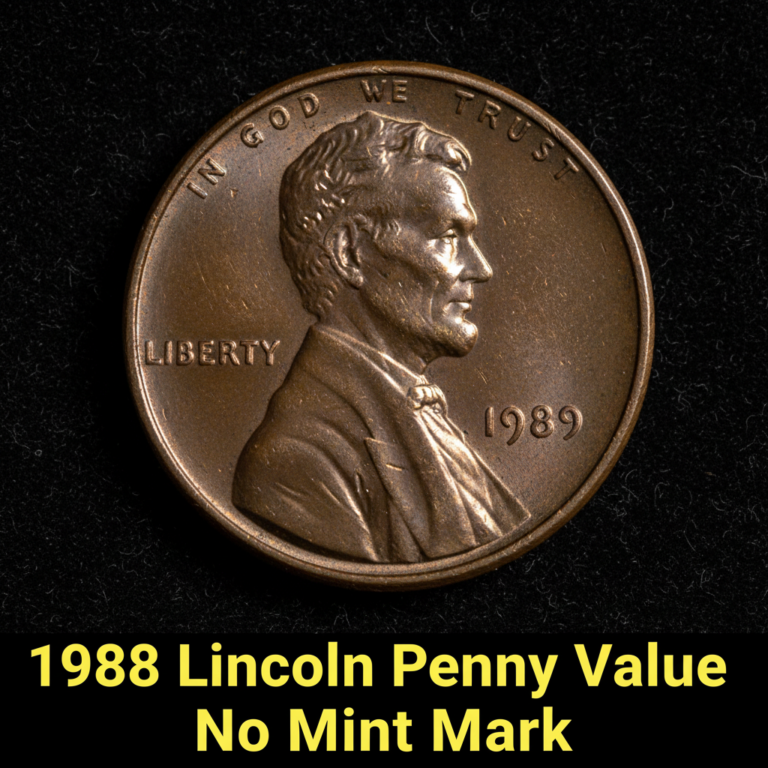
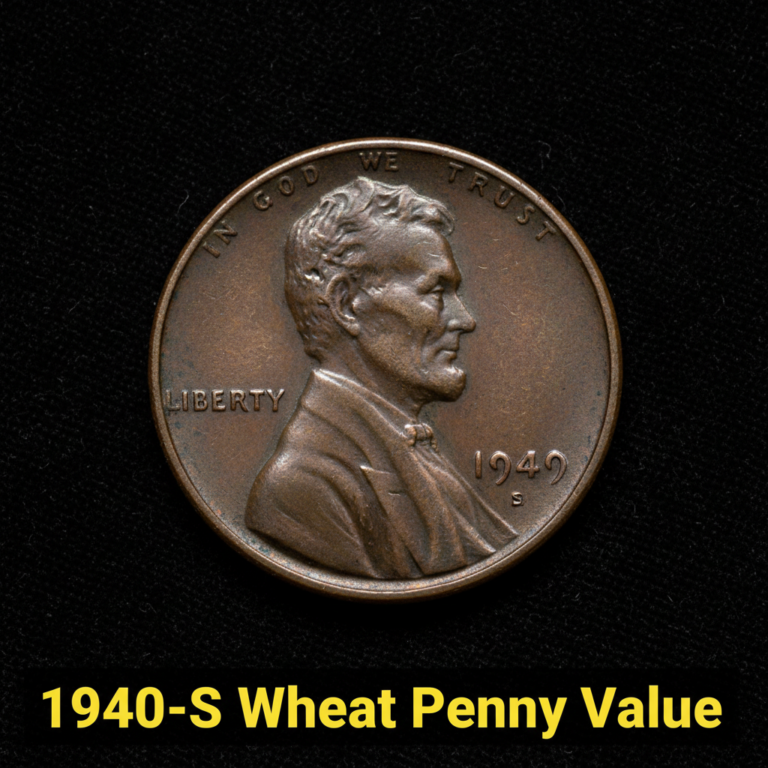
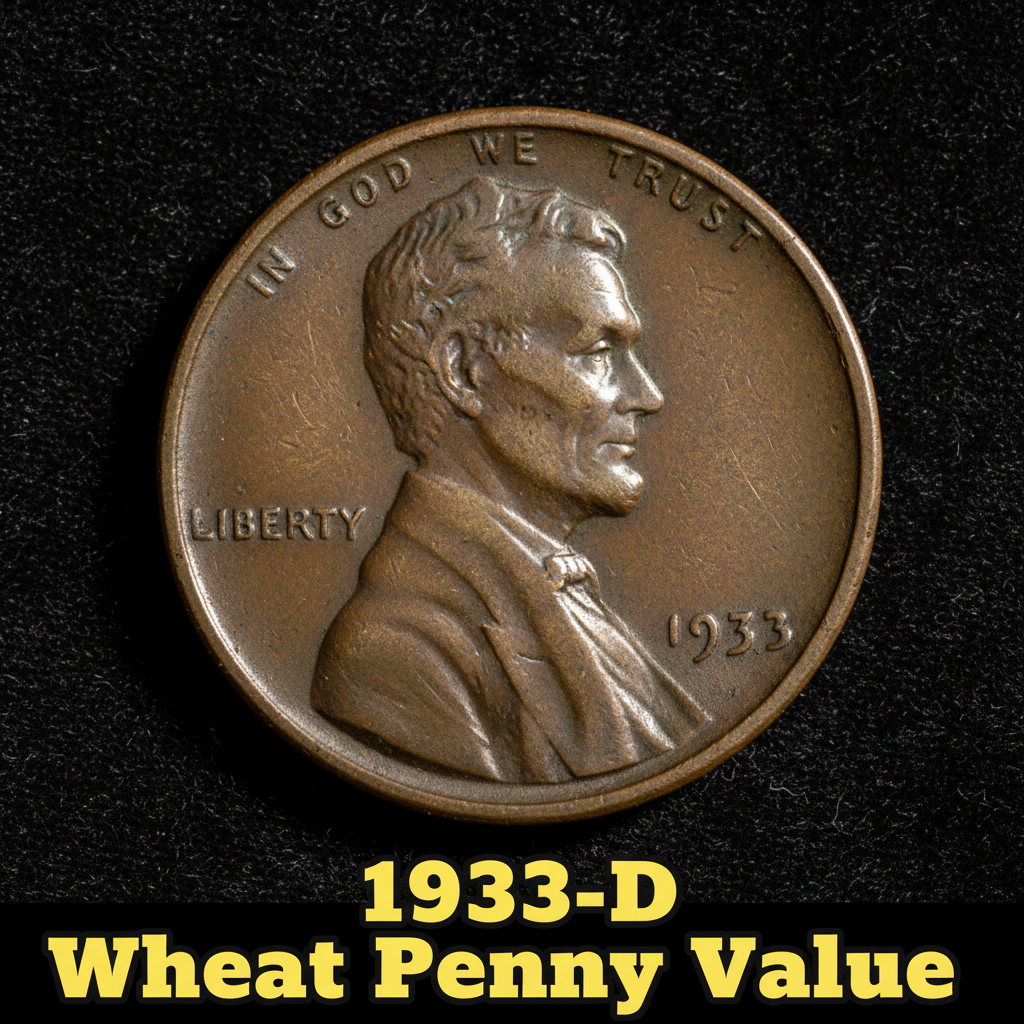
Before you can determine value, you need to confirm what you actually have. On the obverse (front) of the coin, you’ll see Abraham Lincoln’s portrait with “LIBERTY” on the left, “IN GOD WE TRUST” across the top, and the date “1933” on the right. Look just below and to the right of the date — that’s where the “D” mint mark will appear if it was struck in Denver.
The reverse (back) features two stalks of wheat flanking the words “ONE CENT” and “UNITED STATES OF AMERICA” — which is why these coins are called Wheat Pennies or Wheaties. They were minted from 1909 to 1958.
Color also matters. Copper coins are graded as Red (RD), Red-Brown (RB), or Brown (BN). A 1933-D Wheat Penny that still shows bright original red copper color is significantly more valuable than one that has turned fully brown. CoinKnow can help you assess color and condition just by scanning your coin with your phone’s camera — a real time-saver for beginners.
What Affects the Value of a 1933-D Wheat Penny
Beyond grade and color, a few other factors influence what your coin is worth in today’s market:
Strike quality — Some 1933-D pennies were struck with weak dies, leaving soft details on Lincoln’s cheek and the wheat stalks. A sharply struck coin is more desirable and commands a premium.
Surface marks — Even uncirculated coins can have contact marks from being stored together. Fewer marks means a higher grade and higher value.
Cleaning — This is a big one. Many old coins were cleaned by well-meaning owners who didn’t know better. A cleaned 1933-D Wheat Penny is worth far less than an original, untouched example. Never clean your coins.
Certification — Having your coin graded by a third-party service like PCGS or NGC adds credibility and often increases resale value, especially for higher-grade examples. For a full picture of 1933-D Wheat Penny value across all grades and conditions, the complete 1933 penny value guide is a great resource to bookmark.
Is It Worth Getting Your 1933-D Penny Appraised?
If your coin looks like it’s in Extremely Fine or better condition, it’s probably worth getting a professional opinion. A reputable coin dealer can give you a free verbal appraisal, and submitting it to PCGS or NGC for slabbing makes sense if you’re thinking about selling at auction.
For quick everyday use, CoinKnow is a smart starting point — it gives you a ballpark value in seconds so you know whether your coin is a keeper or a low-grade filler worth a dollar or two.
Frequently Asked Questions
Q: How do I know if my penny is a 1933-D or a 1933 Philadelphia?
A: Check directly below and to the right of the date on the front of the coin. If you see a small “D,” it was minted in Denver. If there’s no mint mark, it came from Philadelphia. Philadelphia Wheat Pennies from 1933 are actually slightly less common in high grades, so both versions are worth checking.
Q: My 1933-D Wheat Penny looks shiny — does that mean it’s mint state?
A: Not necessarily. If the coin was cleaned or polished, it can look bright but still be considered damaged by collectors. A true mint state coin has never been circulated and shows original luster with no artificial shine. Look for hairline scratches under magnification, which are a telltale sign of cleaning.
Q: Where is the best place to sell a 1933-D Wheat Penny?
A: For lower-grade coins, eBay is a convenient option with a large buyer base. For higher-grade or certified examples, major auction houses like Heritage Auctions or Stack’s Bowers can get you top dollar. Always compare recent sold listings before pricing your coin, and avoid selling to the first buyer who makes an offer without doing your research first.