1937 Wheat Penny Value No Mint Mark What It’s Really Worth Today
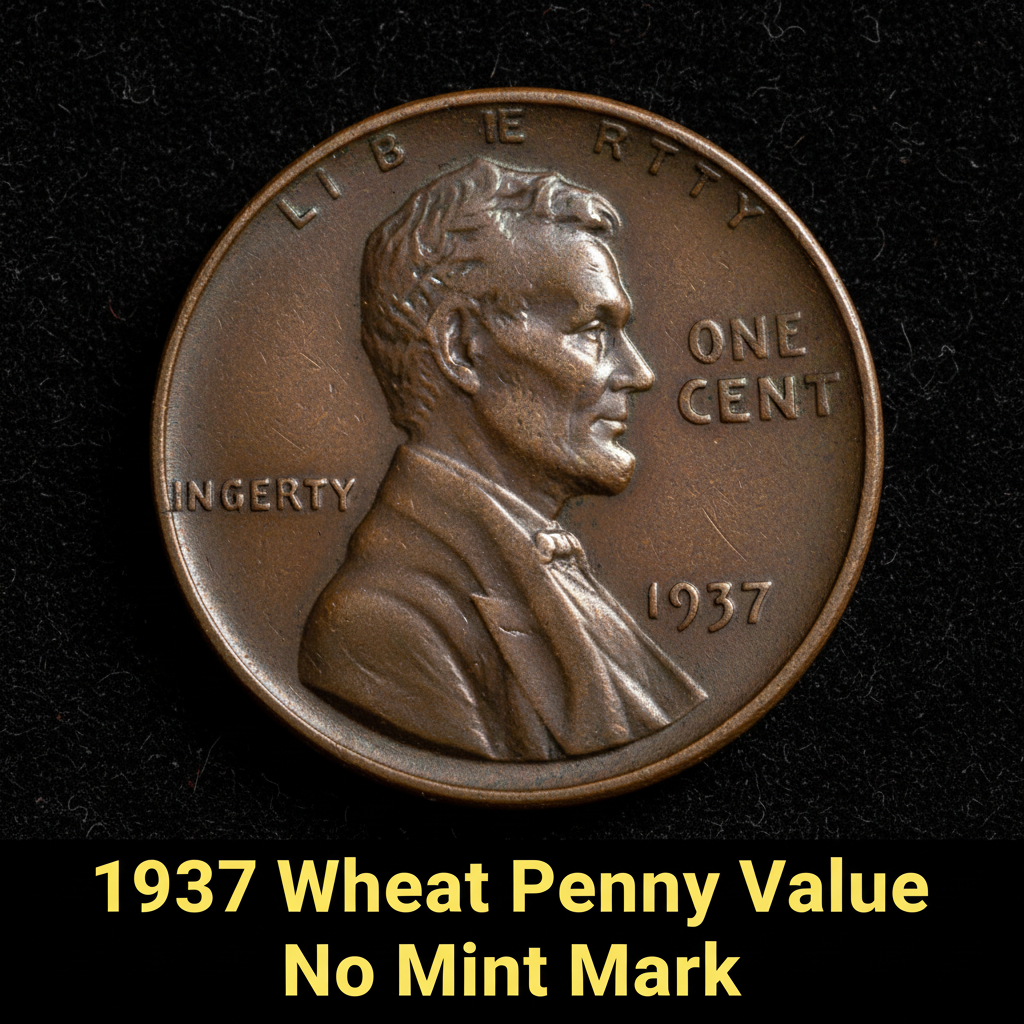
The 1937 Wheat Penny with no mint mark is worth anywhere from about $0.10 in heavily worn condition to over $10 in uncirculated grades — and truly pristine examples grading MS67 Red have sold for hundreds of dollars at auction. If you found one in a coin jar or old wallet, you’re in the right place.
If you’re trying to figure out exactly what you have, a good first step is to use a free coin identifier app to get a quick read on your coin before diving deeper. That said, let’s walk through everything you need to know about the 1937 no mint mark Wheat Penny.
What Is the 1937 Wheat Penny No Mint Mark?
The 1937 Lincoln Wheat Penny with no mint mark was produced at the Philadelphia Mint, which was the standard facility and did not stamp a mint mark on its coins during this era. In 1937, Philadelphia struck a massive 309,170,000 pennies — making this one of the higher-mintage years of the entire Wheat Penny series, which ran from 1909 to 1958.
Because so many were made, the 1937 no mint mark penny is considered a common date. That means you won’t get rich off a circulated example, but it’s still a genuine piece of American history. The coin features Victor David Brenner’s classic portrait of Abraham Lincoln on the obverse and two wheat stalks flanking the words “ONE CENT” on the reverse — a design that millions of Americans carried in their pockets during the Great Depression era.
1937 Wheat Penny Value by Grade
The condition of your coin matters enormously when it comes to value. Coin collectors use a grading scale from 1 to 70, and the color designation (Brown, Red-Brown, or Red) also affects price significantly for uncirculated coins.
Here’s a breakdown of typical 1937 no mint mark Wheat Penny values:
| Grade | Condition | Estimated Value |
|---|---|---|
| G-4 (Good) | Heavy wear, outline visible | $0.10 – $0.25 |
| VF-20 (Very Fine) | Moderate wear, details clear | $0.50 – $1.50 |
| EF-40 (Extremely Fine) | Light wear on high points | $2 – $4 |
| MS-63 BN (Uncirculated) | No wear, some marks, brown | $5 – $8 |
| MS-65 RD (Gem Uncirculated) | Full red luster, minimal marks | $30 – $60 |
| MS-67 RD (Superb Gem) | Near perfect, full red | $200 – $600+ |
For the most current auction results and certified sale prices, you can check out detailed 1937 Wheat Penny MS Red price data to see what collectors are actually paying today.
How to Tell If Your 1937 Penny Is Worth More
Not all 1937 pennies are equal. Even though this is a common-date coin, a few factors can push the value significantly higher:
Color: Uncirculated coins graded “Red” (RD) are worth far more than brown examples because they’ve retained their original copper luster. A coin exposed to air and humidity tends to turn brown over time.
Strike quality: Some 1937 Philadelphia pennies came out with exceptionally sharp strikes. Strong details on Lincoln’s hair and the wheat stalks are a good sign.
Errors: Doubled die errors and repunched dates do occasionally show up on Wheat Pennies. Examine your coin under magnification — any doubling on the lettering or date could make it worth far more than face value.
Surface preservation: Contact marks, cleaning, and scratches all reduce value. A coin that’s been cleaned with a cloth or chemical solution will actually be worth less than a naturally worn one — collectors strongly prefer original surfaces.
Using CoinKnow makes this process much easier. The app lets you scan your coin and get an instant condition estimate, so you don’t have to guess where your coin falls on the grading scale.
The 1937 Wheat Penny in Context
To understand the 1937 no mint mark penny’s place in the series, it helps to know a bit of history. By 1937, the United States was still struggling through the Great Depression, though the economy was showing signs of recovery. The Lincoln cent was already 28 years old, a familiar and beloved design.
The 1937 Wheat Penny series also includes coins from the Denver Mint (1937-D) and San Francisco Mint (1937-S). The Philadelphia version is the most common of the three, but all three are collectible. The San Francisco issue had the lowest mintage at just under 35 million, making it the scarcest — and most valuable — of the trio in high grades.
For a comprehensive look at full 1937 Wheat Penny value information across all mint marks and grades, dedicated coin value resources can give you a complete picture of what the entire year’s coinage is worth.
If you’re building a Wheat Penny collection, the 1937-P is a great, affordable entry point. Raw examples in fine condition can often be found for under a dollar, making them accessible for beginners and budget collectors alike.
Getting the Most for Your 1937 Wheat Penny
If you believe you have a higher-grade or error coin, the best path to maximizing its value is professional grading through a service like PCGS or NGC. A certified coin in a tamper-evident holder sells more easily and often commands higher prices, especially online.
For everyday circulated examples, coin dealers, estate sales, and online marketplaces are all reasonable options. Don’t expect much more than face value for a heavily worn coin, but don’t throw it away either — even common Wheat Pennies are worth keeping as a piece of American history.
CoinKnow is a great tool to have in your pocket whether you’re at a flea market, going through grandma’s coin jar, or picking up a collection at an estate sale. It helps you identify, grade, and value coins on the spot, so you never have to second-guess yourself.
—
FAQ
Q: How do I know if my 1937 penny is the Philadelphia issue?
A: If there is no mint mark below the date on the obverse of the coin, it was made in Philadelphia. Denver coins show a “D” and San Francisco coins show an “S.”
Q: Is a 1937 Wheat Penny with no mint mark rare?
A: No, it is one of the more common Wheat Pennies due to its high mintage of over 309 million. However, examples in uncirculated Red condition are genuinely scarce and can be quite valuable.
Q: Should I clean my 1937 Wheat Penny to make it look nicer?
A: Absolutely not. Cleaning a coin removes its original surface and actually destroys value in the eyes of collectors. Even a tarnished, naturally aged penny is worth more than a shiny cleaned one.