1941-S Wheat Penny Value Guide What This San Francisco Coin Is Really Worth
The 1941-S Wheat Penny is worth anywhere from 25 cents in heavily worn condition to over $100 or more in pristine mint state — and a few rare proof-like examples have sold for even higher. If you just found one of these old Lincoln cents in a jar, a drawer, or an estate collection, you’re in the right place to find out exactly what it might be worth.
If you want a quick answer on the go, try using a free coin identifier app to scan your coin and get an instant value estimate before diving into the details below.
—
What Is the 1941-S Wheat Penny?
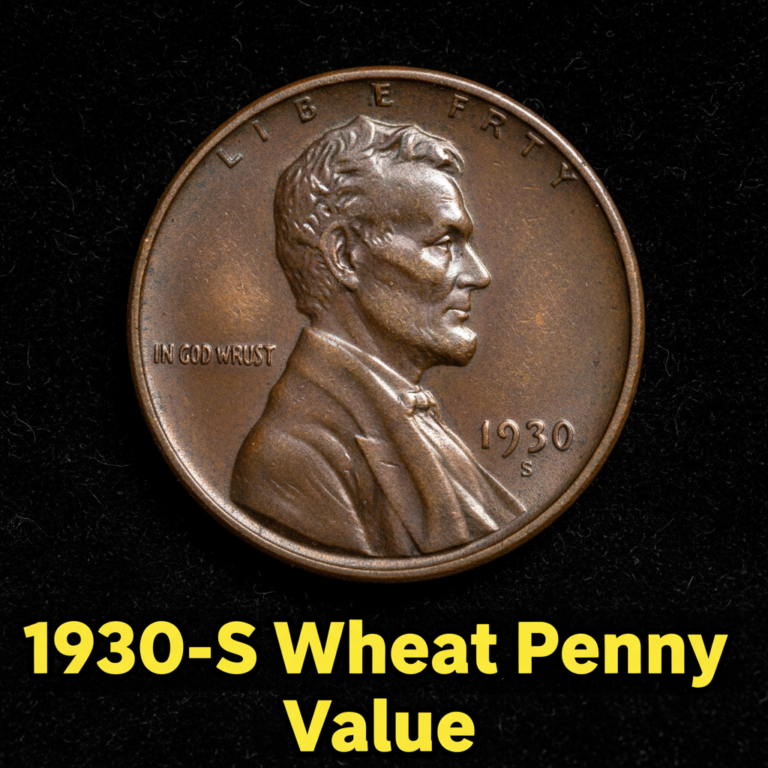
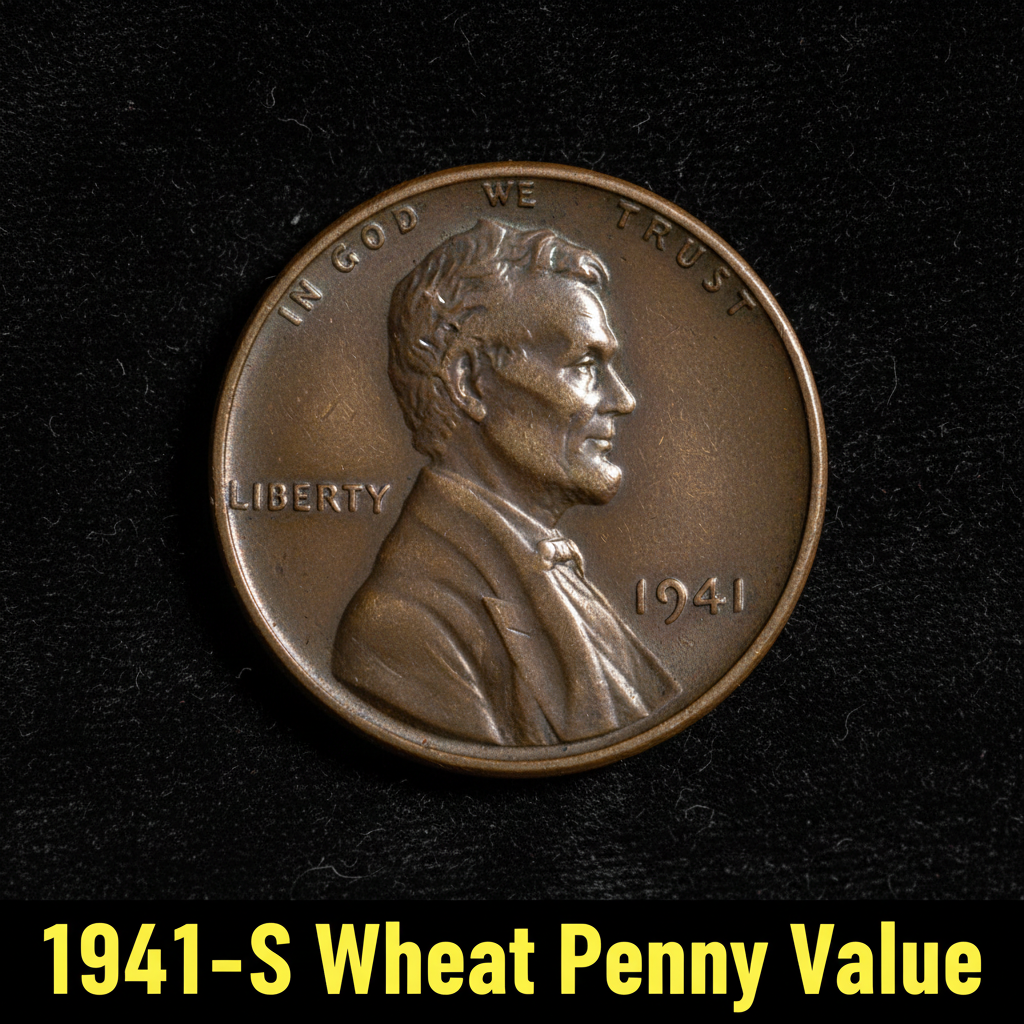
The 1941-S Wheat Penny is a Lincoln cent minted at the San Francisco Mint during 1941, just months before the United States entered World War II. You can identify it by the small “S” mintmark located on the obverse (front) side of the coin, just below the date. San Francisco produced over 92 million of these coins that year, making them relatively common in circulated grades — but that doesn’t mean they’re worthless. In higher mint state grades, especially MS65 Red and above, the 1941-S Wheat Penny becomes genuinely collectible and commands solid prices. The coin features Victor David Brenner’s classic design: Abraham Lincoln on the front and two wheat stalks framing “ONE CENT” on the reverse. These wheat cents were minted from 1909 to 1958, and the 1941-S is one of the more affordable issues from the series, making it a great entry point for new collectors.
—
1941-S Wheat Penny Value by Grade
The value of your 1941-S Wheat Penny depends heavily on its condition, or “grade.” Coins that spent decades in circulation will show heavy wear, while uncirculated examples that were saved right away can still show their original mint luster. Color also matters — Red (RD) coins are the most valuable, followed by Red-Brown (RB), then Brown (BN).
Here’s a breakdown of typical 1941-S Wheat Penny values:
| Grade | Description | Estimated Value |
|---|---|---|
| Good (G-4) | Heavy wear, date visible | $0.25 – $0.50 |
| Fine (F-12) | Moderate wear, details clear | $0.50 – $1.00 |
| Extremely Fine (EF-40) | Light wear on high points | $2 – $5 |
| MS-63 BN/RB | Uncirculated, some toning | $8 – $18 |
| MS-65 RD | Gem uncirculated, full red | $40 – $100+ |
| MS-67 RD | Superb gem, exceptional quality | $200 – $500+ |
For the most current auction results and certified coin prices, you can review detailed 1941-S Wheat Penny MS Red proof-like pricing data to see what top-grade examples are actually selling for right now.
—
What Makes Some 1941-S Pennies Worth More?
Not all 1941-S Wheat Pennies are created equal. Several factors can significantly push the value higher than the averages listed above.
Color designation is one of the biggest drivers. A coin that has retained its original bright copper-red color (graded RD) is far more desirable than a brown example of the same grade. Even a modest MS-63 RD example is worth several times what an MS-63 BN would bring.
Proof-like surfaces are another interesting category. Some 1941-S cents were struck with unusually reflective dies, giving them near-mirror fields. These are rare and highly sought after by specialists.
Strike quality also matters. A sharply struck coin with full wheat ear details and a bold Lincoln portrait will always grade better and sell for more than a weakly struck example. The San Francisco Mint had a generally solid reputation for quality, but strike quality still varied.
Finally, eye appeal — the overall visual impression — matters to buyers and grading services alike. A coin with great luster, no distracting spots or marks, and natural color will always outperform one with issues, even at the same technical grade. CoinKnow helps collectors evaluate these factors with photo-based grading tools right from their phone.
—
How to Check Your 1941-S Wheat Penny’s Value Today
If you want a reliable estimate for your specific coin, there are a few easy steps you can take at home. First, look at the coin under good lighting — natural daylight or a simple lamp works well. Check for any original luster (a cartwheel-like shine when you tilt the coin), and note the color: is it still red, or has it turned brown over the decades?
Next, check for any signs of cleaning. Cleaned coins are worth significantly less than original, uncleaned examples. Hairlines or an unnatural brightness can be a giveaway.
For a more precise valuation, the CoinKnow app lets you photograph your coin and compare it against graded examples in a large database, giving you a real-time sense of condition and likely value. You can also look up recent sold prices on major auction platforms to see what buyers are actually paying.
For a thorough breakdown of values across all grades and conditions, the complete 1941 Wheat Penny value information at Coin Value App is a helpful reference that covers circulated and uncirculated examples in detail.
—
FAQ
Q: Is the 1941-S Wheat Penny rare?
A: No, it’s not considered rare. The San Francisco Mint struck over 92 million 1941-S cents, so they’re widely available in all circulated grades. However, gem-quality uncirculated examples with full red color are genuinely scarce and worth meaningful money to collectors.
Q: Should I clean my 1941-S Wheat Penny to make it look better?
A: Absolutely not. Cleaning a coin almost always destroys its collector value. Grading services and experienced buyers can spot cleaned coins immediately, and they apply a significant discount — sometimes refusing to grade them at all. Leave the coin as-is and let its natural surface tell its story.
Q: How do I know if my 1941-S penny is in good enough condition to sell?
A: If your coin still has some original luster and hasn’t been heavily cleaned or damaged, it may be worth getting a second opinion. Use CoinKnow or another coin identification tool to compare your coin’s condition against reference photos. Even circulated examples in Fine or Extremely Fine grades are worth keeping or selling to wheat penny collectors who build complete date-and-mintmark sets.