1943 Wheat Penny Value No Mint Mark What Is It Worth Today
The 1943 Wheat Penny with no mint mark is worth anywhere from $0.15 in heavily circulated condition to over $10 in uncirculated grades — and if you’re lucky enough to have a rare copper version, you could be sitting on thousands of dollars. Here’s everything you need to know.
If you found an old silver-looking penny from 1943 in a jar or coin roll, you’re holding a fascinating piece of American wartime history. Before you toss it aside, it’s worth understanding what you actually have. Many collectors use a free coin identifier app to quickly scan their coins and get an instant read on condition and potential value. That said, nothing beats knowing the details yourself — so let’s break down exactly what your 1943 no mint mark wheat penny is worth.
—
What Makes the 1943 Wheat Penny Special
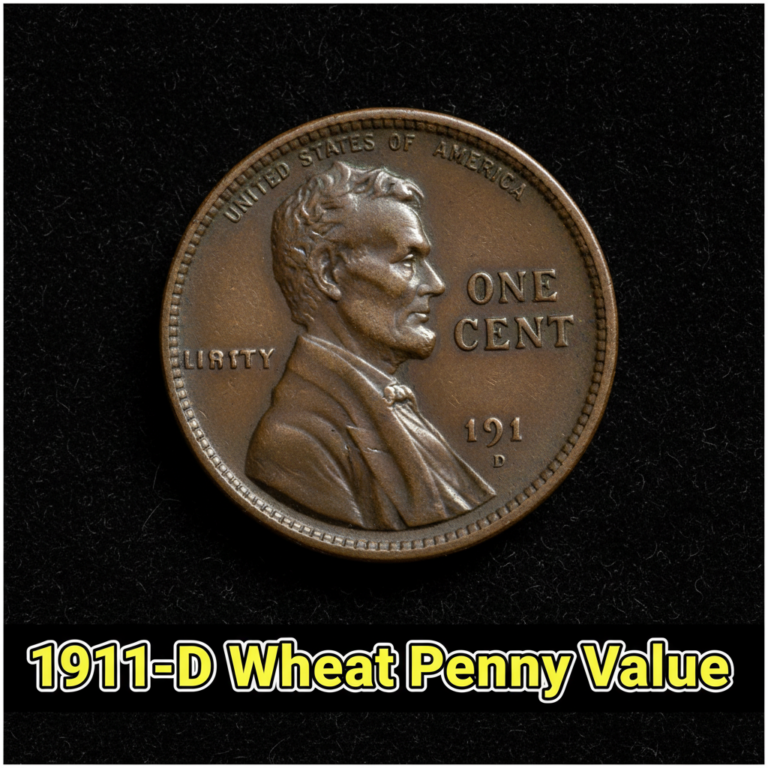
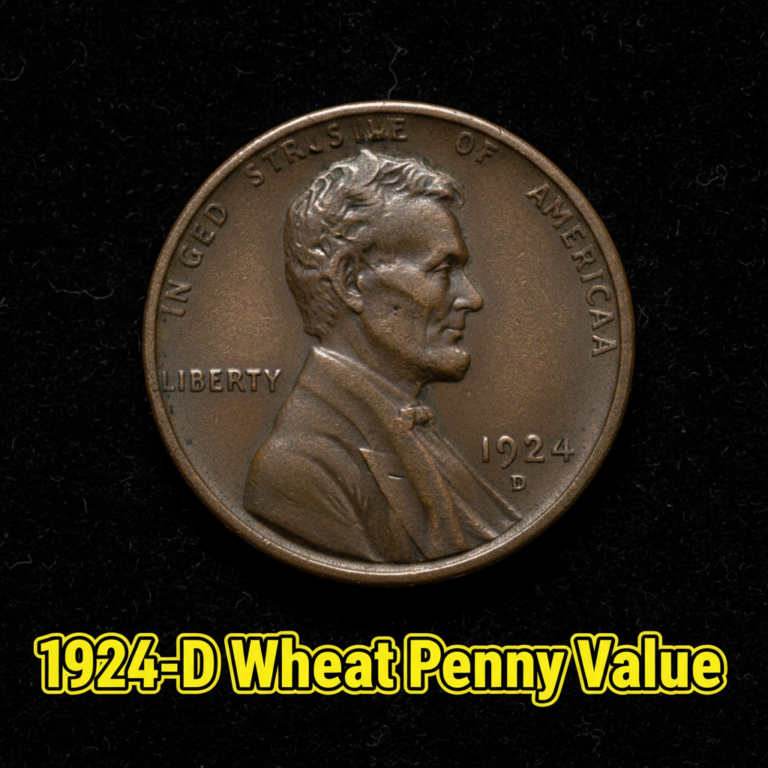
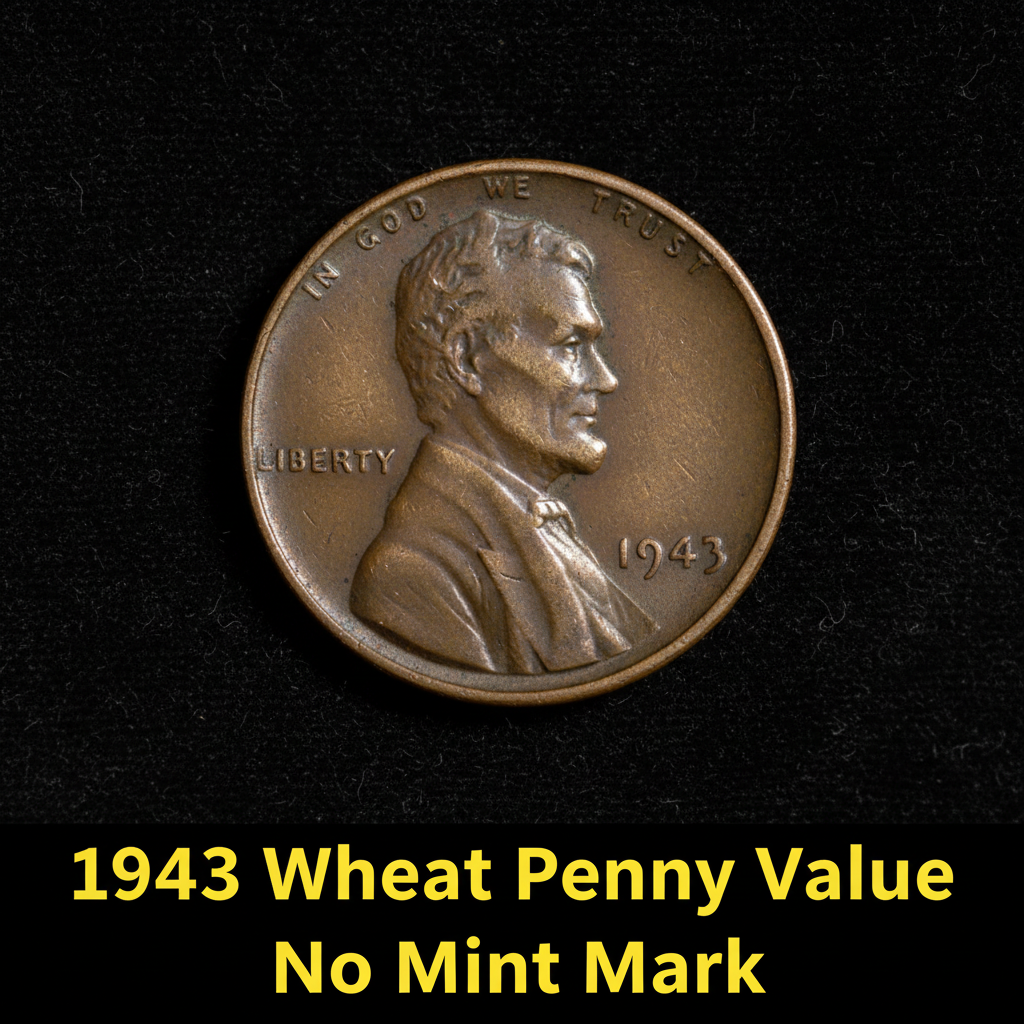
The 1943 Wheat Penny is unlike any other penny in American history. Due to wartime copper shortages, the U.S. Mint switched from copper to zinc-coated steel to produce cents that year. This is why your 1943 penny looks silver or gray instead of the typical copper color. The Philadelphia Mint — which is responsible for coins bearing no mint mark — struck over 684 million of these steel cents in 1943 alone.
Because so many were made, the standard 1943 steel wheat penny is considered common among collectors. However, condition matters enormously. A worn coin pulled from circulation is worth very little, while a crisp, lustrous uncirculated example can bring a solid premium. CoinKnow is a great tool for identifying your coin’s grade at home before taking it to a dealer.
Understanding the difference between a regular steel cent and a rare copper version is critical — more on that below.
—
1943 No Mint Mark Wheat Penny Value by Grade
Here’s a quick breakdown of what a standard 1943 Philadelphia (no mint mark) steel wheat penny is worth across different grades:
| Grade | Description | Estimated Value |
|---|---|---|
| Good (G-4) | Heavily worn, design visible | $0.15 – $0.25 |
| Fine (F-12) | Moderate wear, clear details | $0.30 – $0.75 |
| Extremely Fine (EF-40) | Light wear on high points | $1.00 – $2.50 |
| Uncirculated (MS-63) | No wear, minor bag marks | $4.00 – $7.00 |
| Gem Uncirculated (MS-65) | Sharp strike, original luster | $8.00 – $15.00+ |
For a more detailed look at 1943 wheat penny graded values across all mint state levels, collector databases offer a reliable reference point. Prices can shift based on market demand, so it’s always smart to check current auction results too.
—
The Rare 1943 Copper Penny — Could You Have One?
Here’s where things get exciting. A small number of 1943 pennies were accidentally struck on leftover copper planchets from 1942. These 1943 copper pennies are among the most valuable coins in American numismatic history, with examples selling for $100,000 to over $1 million depending on condition and provenance.
How do you tell if you have one? A simple magnet test is your first step. Steel pennies are magnetic — a magnet will stick right to them. If your 1943 penny is NOT attracted to a magnet, you may have a copper specimen and should contact a professional coin grader immediately.
Be cautious: many fake 1943 copper pennies exist, made by coating steel pennies in copper or by altering the date on a 1948 penny. Only third-party grading services like PCGS or NGC can confirm authenticity.
—
How Condition and Rust Affect Your 1943 Wheat Penny’s Worth
One downside of steel coins is that they rust. Many 1943 steel cents you’ll find today show brown or red spotting from moisture exposure over the decades. A rusty or corroded 1943 penny is worth only a few cents at best — collectors generally avoid damaged specimens. Even light surface rust can drop a coin from a $5 grade down to pocket change.
If your coin is clean and shiny with good luster, that’s a positive sign. CoinKnow can help you assess the surface quality of your coin and compare it to graded examples to estimate where it falls on the Sheldon scale. For a full overview of how the 1943 steel penny’s value is determined across different conditions, including how rust and cleaning impact price, dedicated coin value guides offer excellent side-by-side visual comparisons.
Avoid cleaning your coins — this almost always reduces their collector value, even if the coin looks better to your eye.
—
FAQ
Q: How do I know if my 1943 penny is steel or copper?
A: Hold a magnet near your coin. If it sticks, it’s a steel cent — the common variety. If the magnet doesn’t attract it, your coin could potentially be one of the rare copper cents, and you should have it professionally authenticated right away.
Q: Is a 1943 wheat penny with no mint mark worth more than one with a mint mark?
A: Not necessarily. All three mint marks (none for Philadelphia, D for Denver, S for San Francisco) produced large quantities in 1943. Philadelphia struck the most coins, making the no mint mark version the most common. Denver and San Francisco issues are slightly scarcer in top grades, but the difference in value for average circulated coins is minimal.
Q: Should I get my 1943 wheat penny graded?
A: For a standard steel cent in circulated condition, professional grading likely isn’t cost-effective since the coin’s value is low. However, if you have a coin in Gem Uncirculated condition or suspect you have a copper example, grading by PCGS or NGC can dramatically increase its marketability and selling price. You can also use CoinKnow to get a quick preliminary assessment before spending money on formal grading.