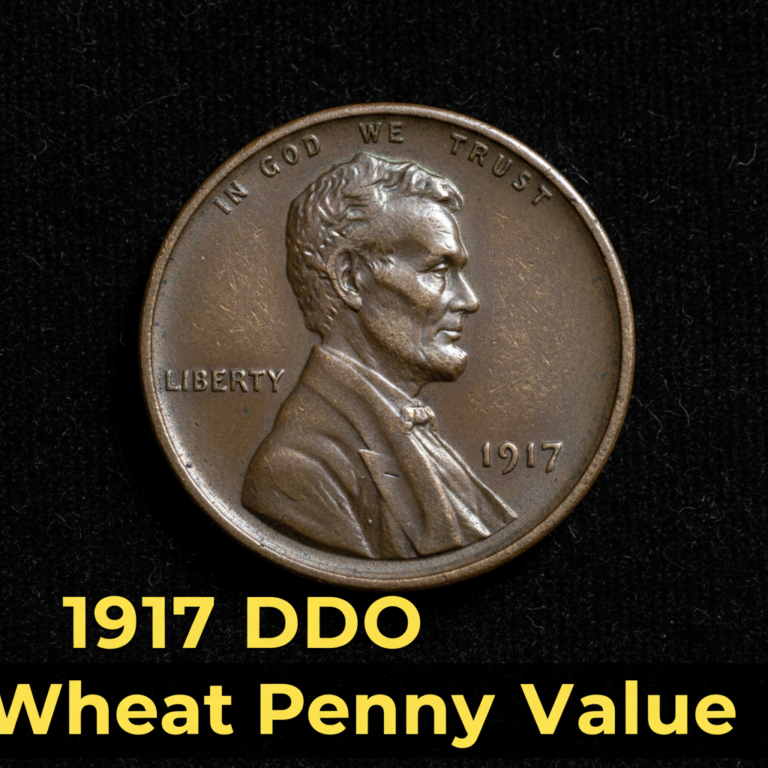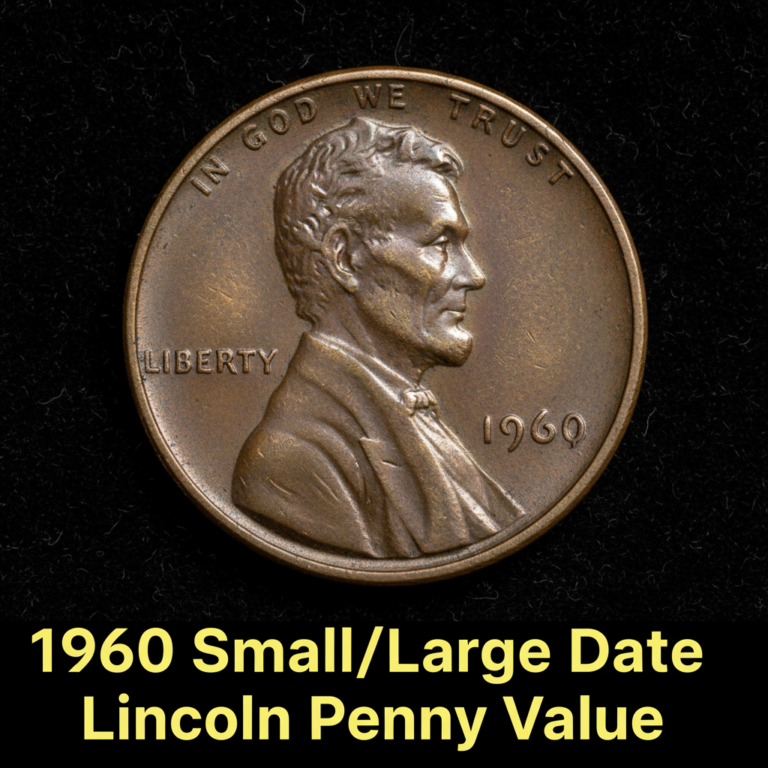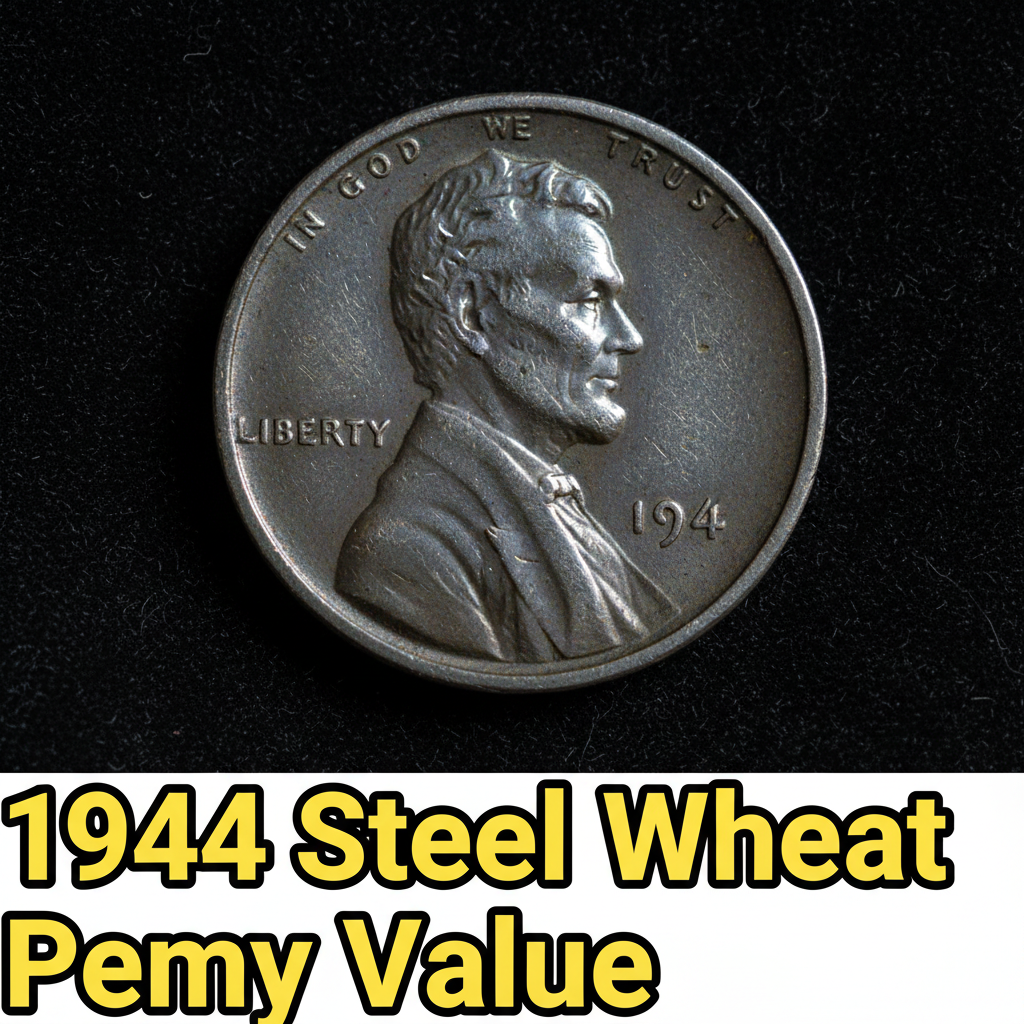
1944 Steel Wheat Penny Value What It’s Worth and Why It’s So Rare
The 1944 Steel Wheat Penny is worth anywhere from $75,000 in heavily worn condition to well over $110,000 or more in top mint state grades — making it one of the rarest and most valuable coins an everyday American could ever stumble upon. If you think you’ve found one, keep reading before you do anything with it.
If you’re not sure what you’re holding, it’s worth running it through a free coin identifier app before heading to a dealer. A quick scan could tell you whether your coin is the real deal or a common look-alike — and that difference could literally be worth tens of thousands of dollars. CoinKnow is one of the best tools out there for this kind of quick, reliable identification right from your smartphone.
—
What Is the 1944 Steel Wheat Penny and Why Is It So Rare
Most people know that 1943 pennies were made of steel because copper was needed for World War II. What a lot of people don’t realize is that a small number of steel planchets — the blank discs used to stamp coins — accidentally made their way into the minting process in 1944. The result was a coin that should never have existed.
The U.S. Mint struck 1944 pennies using copper (actually a brass alloy), just like the pre-war Lincoln cents. But somehow, a handful of leftover steel planchets from 1943 got mixed in. These error coins were struck at the Philadelphia, Denver, and San Francisco mints, though examples from all three are extremely scarce. Experts estimate that fewer than 35 authentic 1944 Steel Wheat Pennies are known to exist across all mint locations. That’s what makes this coin so extraordinary — and so sought after by serious collectors.
—
1944 Steel Wheat Penny Value by Grade and Mint Mark
Because so few examples exist, prices for the 1944 Steel Penny can be staggering even in low grades. The most common version is the 1944 Philadelphia strike (no mint mark), followed by the 1944-D and the extremely rare 1944-S.
| Coin | Grade | Estimated Value |
|---|---|---|
| 1944 Steel Penny (No Mint Mark) | Good (G-4) | $75,000 – $85,000 |
| 1944 Steel Penny (No Mint Mark) | Fine (F-12) | $85,000 – $95,000 |
| 1944 Steel Penny (No Mint Mark) | MS-63 | $100,000+ |
| 1944-D Steel Penny | VF-20 | $115,000 – $130,000 |
| 1944-S Steel Penny | Any Grade | $400,000+ |
You can check detailed 1944 Wheat Penny price data by grade and mint mark for a more complete breakdown of how condition affects value across the whole 1944 Lincoln cent series.
—
How to Tell If Your 1944 Penny Is Steel or Copper
Here’s the fastest test in the world: grab a magnet. Steel is magnetic; copper is not. If your 1944 penny sticks to a magnet, you might be holding something extraordinary. Most regular 1944 cents will not stick at all.
A few other things to look for:
– Color: Steel cents tend to have a grayish or silvery appearance, though many are corroded or stained after 80 years. A 1944 copper cent is typically reddish-brown.
– Weight: A genuine steel cent weighs approximately 2.7 grams. A copper cent from 1944 weighs about 3.11 grams. A precise digital scale can make a big difference here.
– Mint mark location: Check just below the date on the reverse. A small “D” means Denver; an “S” means San Francisco; no letter means Philadelphia.
Don’t clean the coin under any circumstances. Even a quick rinse can reduce its numismatic value significantly. If it passes the magnet test, seal it in a soft plastic flip and take it to a professional coin grader immediately. CoinKnow can also help you document the coin with photos before you head to a dealer, giving you a professional-level record of its condition.
—
Getting Your 1944 Steel Wheat Penny Authenticated
Authentication is absolutely essential for this coin. Because the value is so high, counterfeits do exist. One common fake is a genuine 1944 copper cent that has been plated with steel or zinc to mimic the appearance and magnetic properties of an authentic steel error. Professional grading services like PCGS and NGC have the equipment to detect these alterations.
Submitting your coin to a third-party grading service (TPGS) is the single most important step you can take. Once graded and authenticated, the coin will be sealed in a tamper-evident holder with its grade printed on the label — this is called a “slabbed” coin, and it’s what serious buyers and auction houses require.
For a closer look at how the 1944 Steel Penny’s value is determined across different grades and conditions, there are excellent resources available online that walk through every factor collectors and graders consider.
—
FAQ
Q: How do I know if my 1944 penny is the rare steel version?
A: The quickest way is the magnet test. Hold a magnet near your coin — if it sticks, the coin is steel, which makes it a potential rarity from 1944. Follow up with a professional appraisal to confirm authenticity.
Q: Are there fake 1944 steel pennies I should watch out for?
A: Yes. Some fakes are 1944 copper cents that have been electroplated with zinc or steel to pass the magnet test. A professional grading service can detect these through weight analysis, surface examination, and other methods. Always get authentication before buying or selling.
Q: Can I use an app to identify my 1944 steel wheat penny?
A: Apps like CoinKnow are a great starting point for identifying a coin and getting a general sense of its value. However, for a coin this rare and valuable, professional authentication through PCGS or NGC is strongly recommended before any sale or trade.