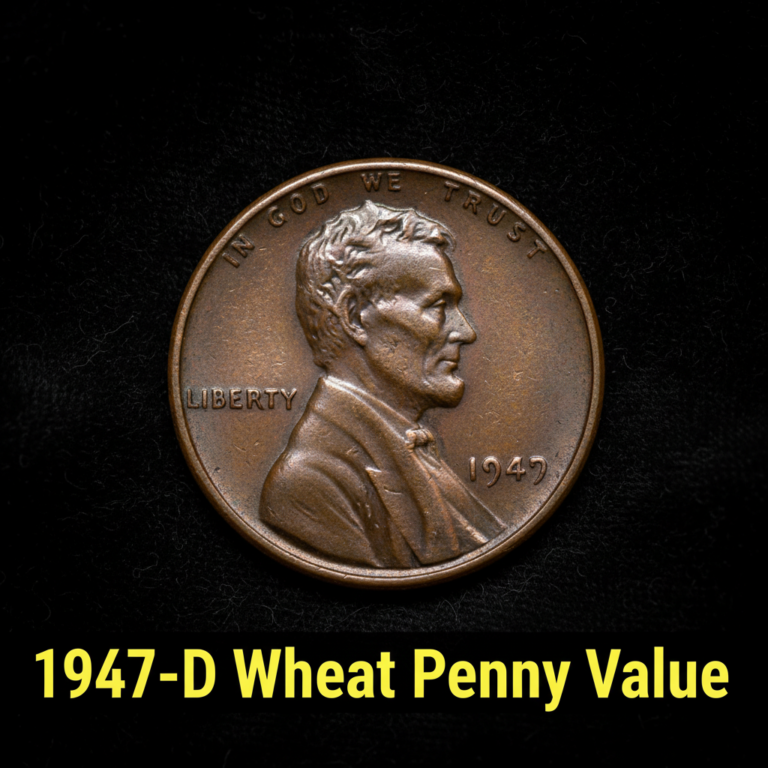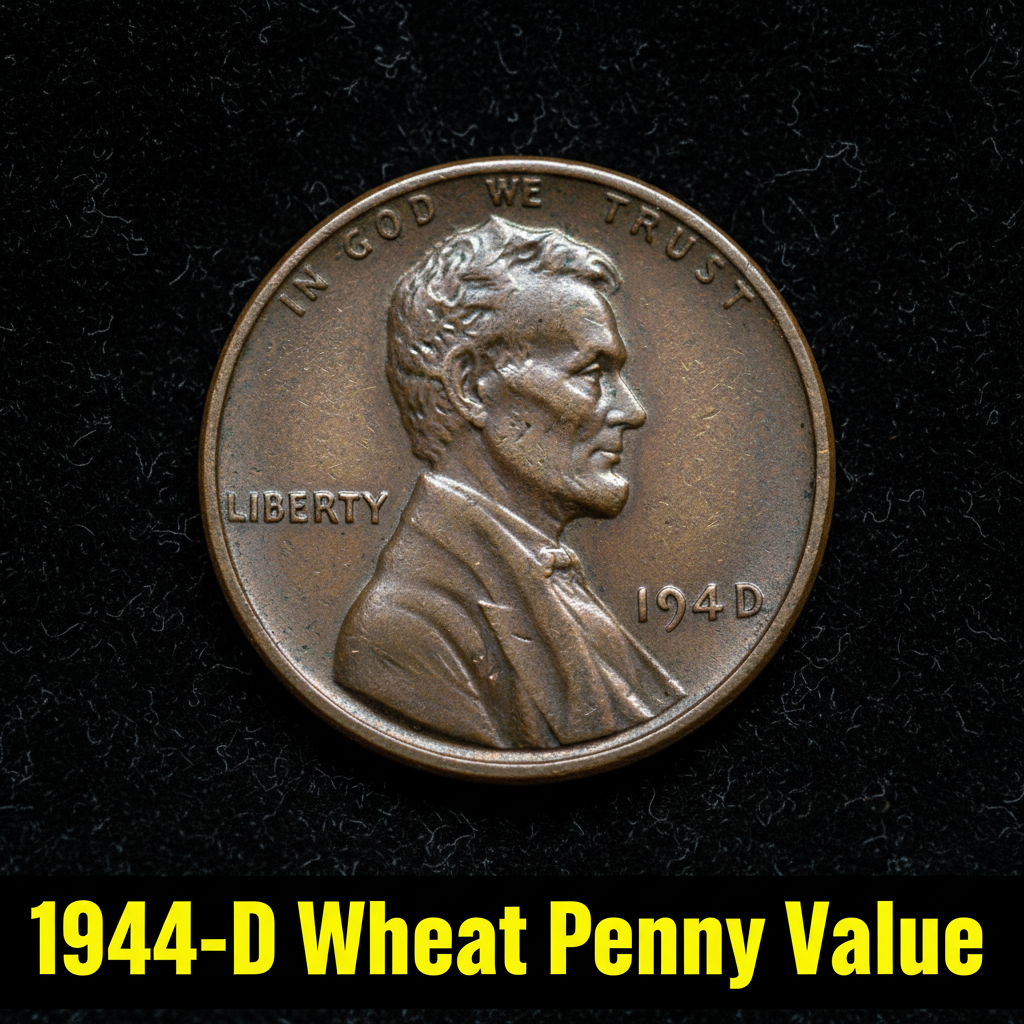
1944-D Wheat Penny Value Guide How Much Is It Worth Today
The 1944-D Wheat Penny is worth anywhere from $0.10 in heavily worn condition to over $8 in uncirculated grades, with rare high-grade examples fetching $25 or more at auction. If you found one in a jar of old coins, you’re in luck — this is one of the most common Wheat Pennies around, but it still carries real collector value.
What Is the 1944-D Wheat Penny?
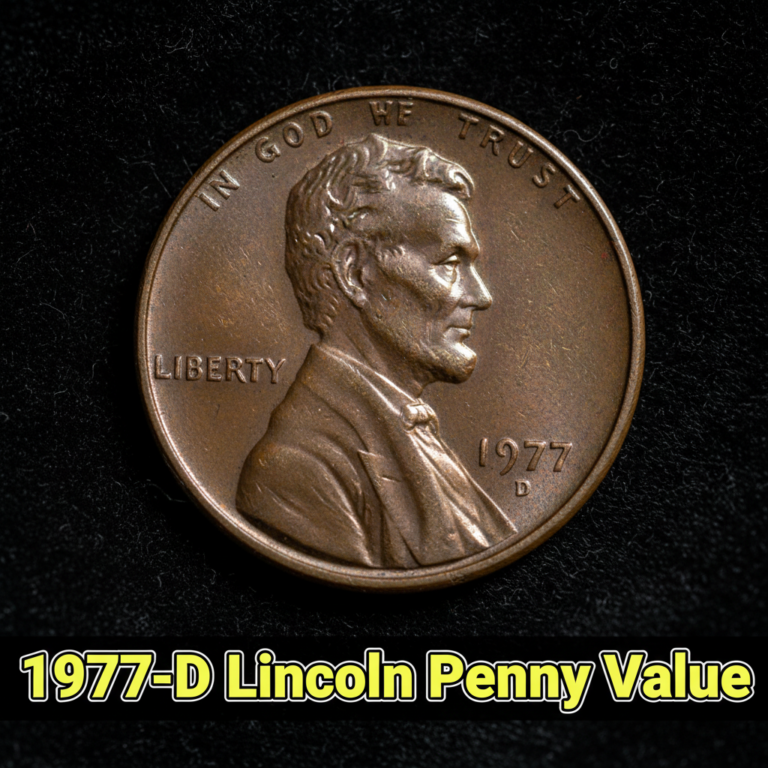
The 1944-D Wheat Penny was minted at the Denver Mint during World War II. The small “D” mintmark appears just below the date on the obverse side of the coin. In 1944, the U.S. Mint returned to using copper for pennies after a one-year experiment with zinc-coated steel cents in 1943, which were deeply unpopular with the public. As a result, the 1944-D was struck in 95% copper, giving it that warm reddish-brown color many people recognize.
The Denver Mint produced an enormous 430,578,000 pennies that year, making the 1944-D one of the highest-mintage Lincoln Wheat Pennies ever made. Because so many were produced, most examples are easy to find and affordable for beginning collectors. Still, condition matters a great deal when it comes to value.
If you’ve recently discovered an old penny and want to figure out exactly what you’re holding, a free coin identifier app can help you quickly confirm the date, mintmark, and grade of your coin before you look up pricing.
1944-D Wheat Penny Value by Grade
Like all coins, the value of a 1944-D Wheat Penny depends heavily on its condition, also called its grade. A coin that has been heavily circulated — passed through countless wallets and registers — will show significant wear on Lincoln’s portrait and on the wheat stalks on the reverse. These lower-grade coins are common and inexpensive. But a coin that was never circulated, still showing its original mint luster and sharp detail, can be worth many times more.
Here’s a quick look at approximate retail values across different grades:
| Grade | Description | Estimated Value |
|---|---|---|
| Good (G-4) | Heavy wear, outline visible | $0.10 – $0.25 |
| Fine (F-12) | Moderate wear, details visible | $0.25 – $0.50 |
| Extremely Fine (EF-40) | Light wear on high points | $1.00 – $2.00 |
| Uncirculated (MS-63) | No wear, some bag marks | $4.00 – $8.00 |
| Gem Uncirculated (MS-65+) | Sharp strike, full luster | $15.00 – $30.00+ |
For the most current market data, you can check 1944-D Wheat Penny MS-RD price trends and auction records to see how recent sales compare.
Are There Any Rare or Valuable Varieties?
Most 1944-D Wheat Pennies you’ll encounter are ordinary business-strike coins, but collectors do keep an eye out for a few notable varieties. The most famous is the 1944-D/S overdate error, where a San Francisco mintmark was partially punched into a Denver die before being corrected. These “D over S” coins are genuinely scarce and can sell for $75 to several hundred dollars depending on grade.
There’s also the legendary 1944 Steel Penny error. In 1944, a small number of leftover steel planchets from 1943 accidentally made it into production. If you think you have a steel 1944 penny, test it with a magnet — a genuine copper cent won’t stick, but a steel planchet will. Confirmed steel errors from 1944 can be worth thousands of dollars, and you’ll want professional certification from PCGS or NGC before selling.
CoinKnow is a great tool to help you identify these varieties at home. With its advanced image recognition and variety database, you can scan your coin and instantly see if it matches any known error types before taking it to a dealer.
What Affects the 1944-D Wheat Penny’s Value Most?
Beyond grade, a few other factors can significantly move the price on a 1944-D Wheat Penny. Color designation plays a big role in uncirculated coins — the three categories are Red (RD), Red-Brown (RB), and Brown (BN). Red coins retain most of their original copper luster and command the highest premiums, while Brown coins have toned considerably over time and trade at a discount.
Eye appeal also matters. A coin with attractive, even toning, a sharp strike, and no distracting spots or scratches will sell faster and at a higher price than a technically equivalent coin with problems. Cleaning is a major red flag — a coin that has been polished or wiped will be graded “details” by major grading services and loses much of its collector appeal.
To see a comprehensive breakdown of 1944 Wheat Penny values across all mint marks and conditions, including the Philadelphia and San Francisco issues for comparison, it’s worth reviewing a dedicated coin value resource.
CoinKnow also lets you track how your specific coin’s grade and color designation affect its real-world market value, which is particularly helpful if you’re deciding whether to hold, sell, or get your coin professionally graded.
Should You Get It Graded or Just Sell It?
For most circulated 1944-D Wheat Pennies worth under $2, professional grading isn’t worth the cost — grading fees typically start around $20 to $30 per coin. However, if you believe you have a gem-quality uncirculated example, a variety coin, or a potential error, submitting it to PCGS or NGC makes a lot of sense. A slabbed, high-grade 1944-D can sell for two to three times the value of a raw coin of the same quality because buyers trust the certification.
If you’re unsure what you have, start by using CoinKnow to get a preliminary assessment. It’s a fast, free way to determine whether your coin is worth the investment of professional grading or simply a neat piece of history to keep in your collection.
FAQ
Q: How do I know if my 1944 penny is from the Denver Mint?
A: Look just below the date on the front of the coin. A small “D” mintmark indicates it was struck at the Denver Mint. No mintmark means it came from Philadelphia, and an “S” indicates San Francisco.
Q: Is a 1944-D Wheat Penny made of steel or copper?
A: Almost all 1944-D pennies are made of 95% copper. The steel cents were a 1943-only wartime measure. If your 1944 penny sticks to a magnet, it could be a rare steel error worth having examined by a professional.
Q: What is the most I could get for a 1944-D Wheat Penny?
A: A top-grade MS-67 Red example certified by PCGS or NGC can sell for $100 to $300 or more at major auctions. The rare 1944-D/S overdate variety in high grades has brought even higher prices from specialized collectors.