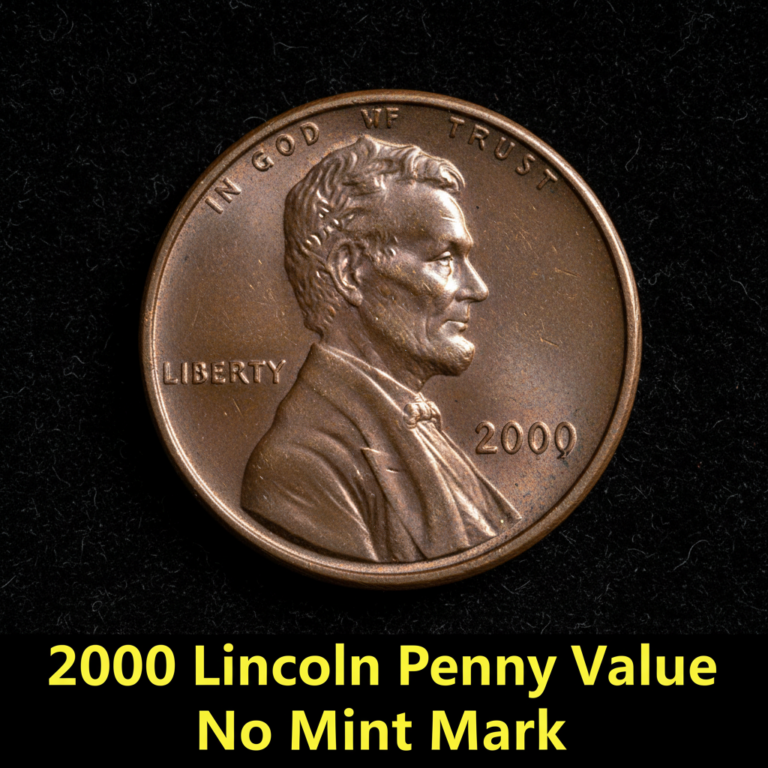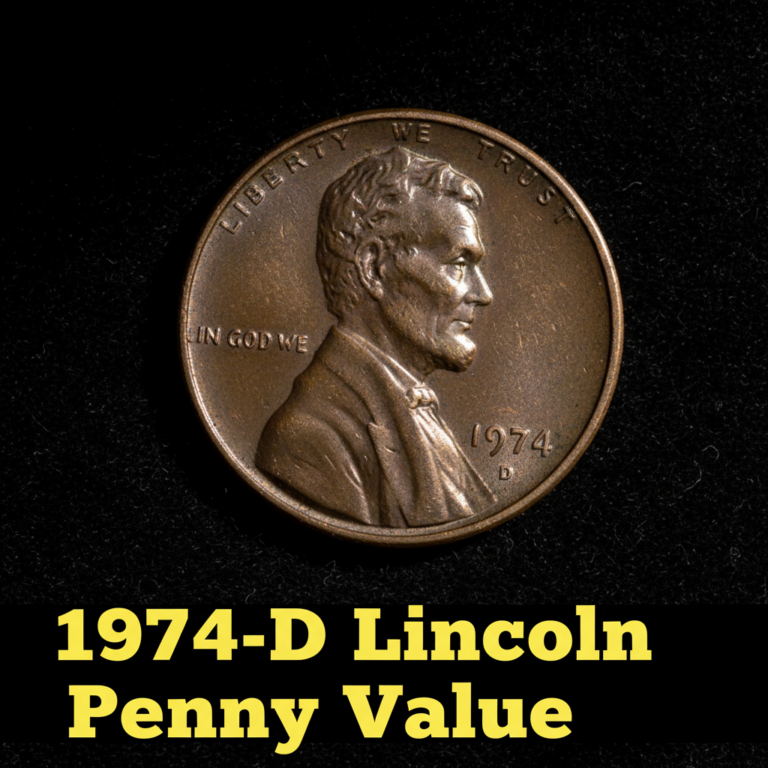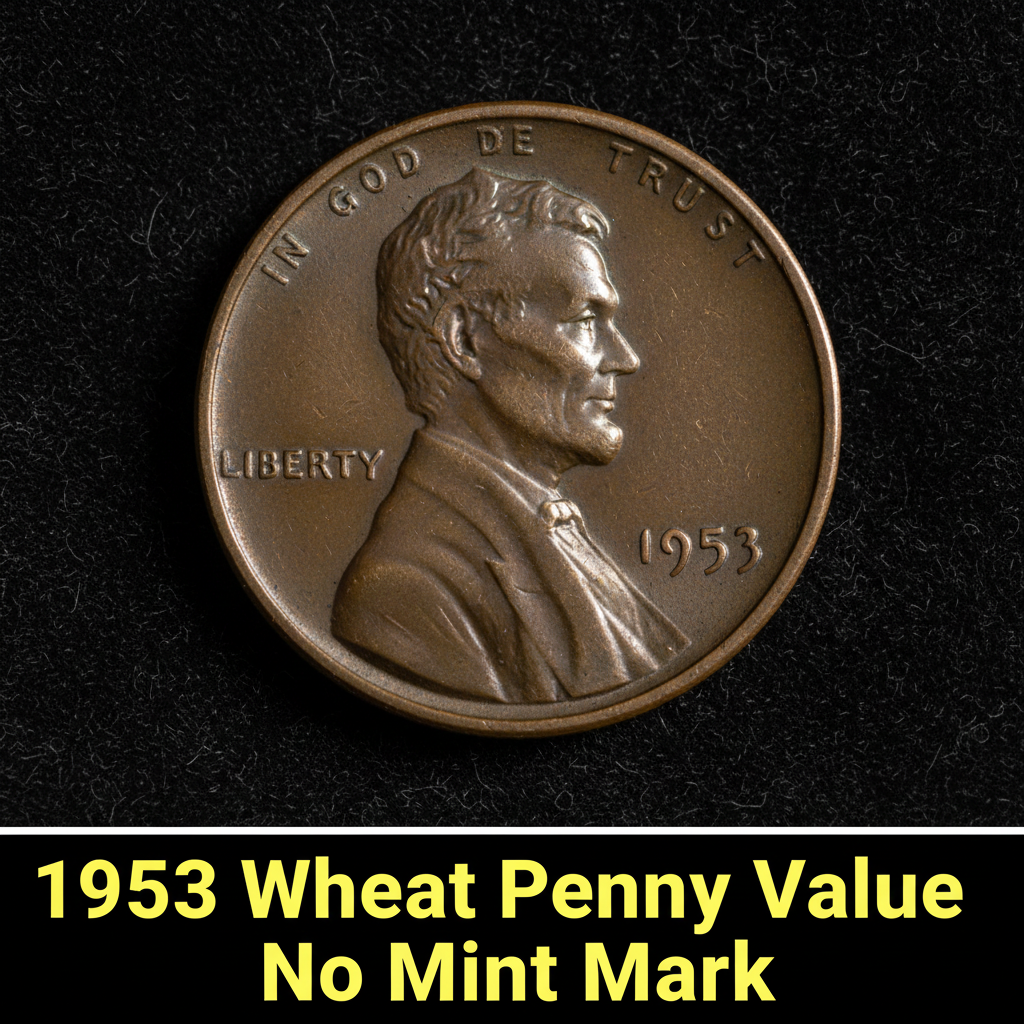
1953 Wheat Penny Value No Mint Mark What It’s Worth and Why Collectors Care
The 1953 Wheat Penny with no mint mark is worth anywhere from 3 cents in heavily worn condition to over $10 in well-preserved circulated grades — and in top mint state condition, certified examples can fetch $50 or more. If you just found one in a coin jar or old drawer, you’re in the right place to find out exactly what you have.
Whether you’re new to coin collecting or just curious about an old penny you stumbled upon, using a free coin identifier app is a great first step to quickly confirm what you’re holding before diving deeper into its value.
—
What Is the 1953 Wheat Penny No Mint Mark?
The 1953 Wheat Penny with no mint mark was struck at the Philadelphia Mint, which didn’t place a mint mark on its coins at the time. These pennies feature the classic Lincoln Wheat design — Abraham Lincoln’s portrait on the obverse and two stalks of wheat framing the words “ONE CENT” on the reverse. This design ran from 1909 to 1958, making it one of the most beloved series in American coin history.
In 1953, the Philadelphia Mint produced over 256 million of these pennies, so they’re not rare in the traditional sense. However, condition is everything when it comes to value. A coin that has been sitting in a drawer since the 1950s might grade significantly higher than one that spent decades circulating through cash registers and pockets. The 1953 Wheat Penny no mint mark is a common date, but well-preserved examples in mint state grades are genuinely harder to find than most people assume.
—
1953 Wheat Penny No Mint Mark Value by Grade
Coin values depend heavily on condition, or “grade” as collectors call it. Here’s a quick breakdown of what the 1953 Wheat Penny (Philadelphia) is worth across common grades:
| Grade | Description | Estimated Value |
|---|---|---|
| Good (G-4) | Heavy wear, lettering visible | $0.05 – $0.10 |
| Fine (F-12) | Moderate wear, details clear | $0.15 – $0.25 |
| Extremely Fine (EF-40) | Light wear on high points | $0.50 – $1.50 |
| About Uncirculated (AU-55) | Slight wear, strong luster | $2.00 – $5.00 |
| Mint State (MS-63) | Uncirculated, minor blemishes | $8 – $15 |
| Mint State (MS-65 RD) | Full red, gem uncirculated | $30 – $60+ |
For more detailed pricing across all mint state grades, you can explore the full 1953 Wheat Penny MS-RD price data to see certified auction records and population reports.
—
How Condition and Color Affect the 1953 Penny Value No Mint Mark
One thing many people don’t realize is that for copper coins like the 1953 Wheat Penny, color plays a major role in value. Grading services like PCGS and NGC assign color designations to mint state coins:
– RD (Red): The coin retains 95% or more of its original red copper luster — the most valuable designation.
– RB (Red-Brown): Partial original luster, mixed tone.
– BN (Brown): The coin has fully toned, typical of older circulated coins.
A 1953 Wheat Penny graded MS-65 RD can be worth several times more than the same grade in BN. This is why proper storage matters even for common-date coins. If you’re unsure about the color or grade of your coin, CoinKnow makes it easy to scan and identify your coin’s condition with a simple photo — no experience needed.
—
Are 1953 Wheat Pennies Worth Keeping?
For most circulated examples in Good to Fine condition, the 1953 Wheat Penny no mint mark is worth a few cents to maybe a quarter — but that doesn’t mean you should ignore them. Wheat pennies as a group are collectible, and building a complete set of Lincoln Wheat cents from 1909 to 1958 is a popular and affordable hobby. The 1953 no mint mark is a necessary date in that set.
More importantly, if your coin looks bright, uncirculated, or has any unusual features — like a doubled die, off-center strike, or repunched date — it could be worth significantly more. Error coins from this era do exist, and they command serious premiums. You can get a full overview of the complete 1953 penny value including mint marks and error varieties to see whether your specific coin might be an exception worth getting professionally graded.
When in doubt, CoinKnow lets you quickly check your coin against a massive database of known varieties and current market prices — a handy tool before you decide whether to sell, hold, or get it certified.
—
FAQ
Q: How do I know if my 1953 penny is from Philadelphia?
A: If there’s no mint mark on the obverse (front) of the coin, below the date, then it was made in Philadelphia. The Denver Mint used a “D” and San Francisco used an “S” — neither appears on the Philadelphia issue.
Q: Is my 1953 Wheat Penny valuable if it’s brown and worn?
A: In most cases, a well-worn brown 1953 Wheat Penny is worth a small premium over face value — typically $0.05 to $0.25 depending on condition. The real value jumps when the coin is uncirculated and retains its original red copper color.
Q: Should I clean my 1953 Wheat Penny to make it look better?
A: No — never clean a coin. Cleaning removes the natural patina and actually destroys collector value, even on common coins. A cleaned coin will grade lower than an original-surface example and is much harder to sell at full market price. Leave it as-is and let a professional assess it if needed.