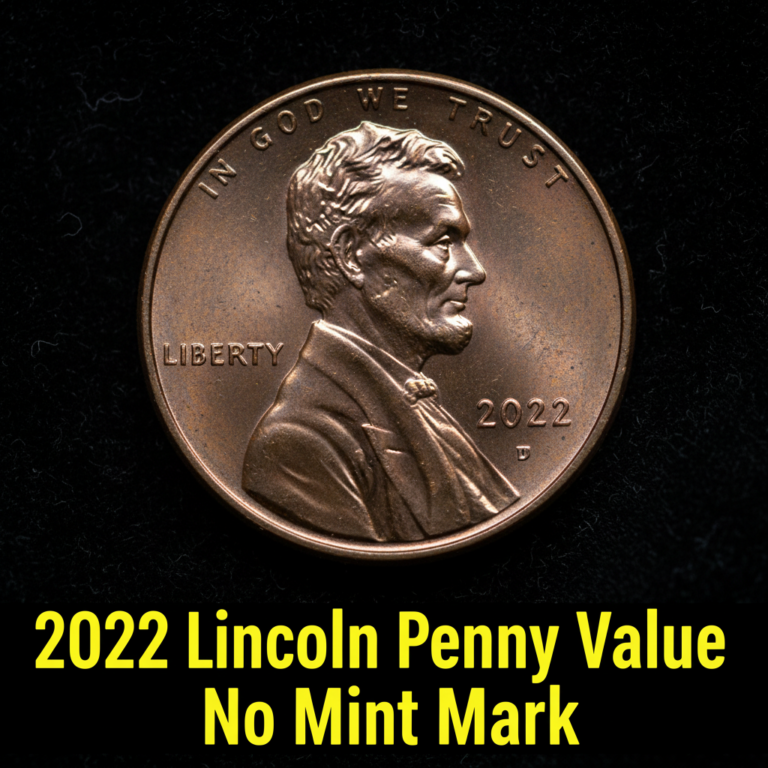
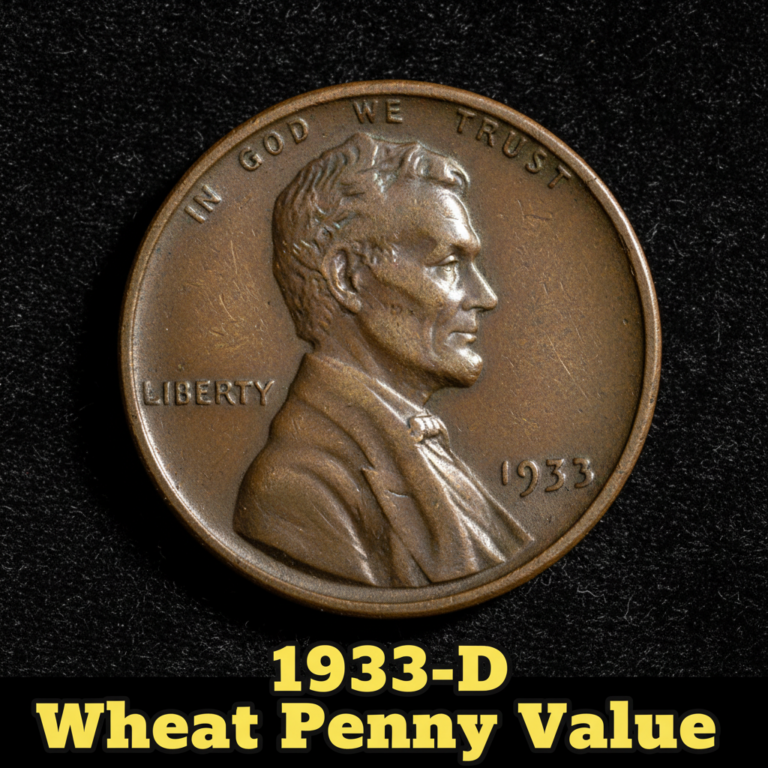
1963-D Lincoln Penny Value — What’s It Really Worth Today
The 1963-D Lincoln Penny is worth anywhere from a few cents in heavily circulated condition to over $10 in uncirculated grades, with top-quality examples grading MS67 Red occasionally selling for $200 or more at auction. If you just found one in a jar of old coins, you’re in the right place.
The 1963-D Lincoln cent is one of those coins that gets overlooked all the time — and honestly, that’s understandable. It doesn’t look flashy, and most people assume a penny from the early 1960s is barely worth face value. But the story is a little more interesting than that, especially if your coin has kept its original red luster. Whether you’re a casual collector or just someone who stumbled across a handful of old cents, using a free coin identifier app is a great first step to get a quick read on what you’re holding before you dive deeper.
—
What Makes the 1963-D Lincoln Penny Special
The “D” mintmark on the 1963 Lincoln penny tells you it was struck at the Denver Mint. That year, Denver produced an enormous number of these coins — over 1.7 billion pieces. Because so many were made, most circulated examples are common and worth only a cent or two. However, the sheer volume of production means that high-grade uncirculated survivors with full red color are the ones that carry real collector value.
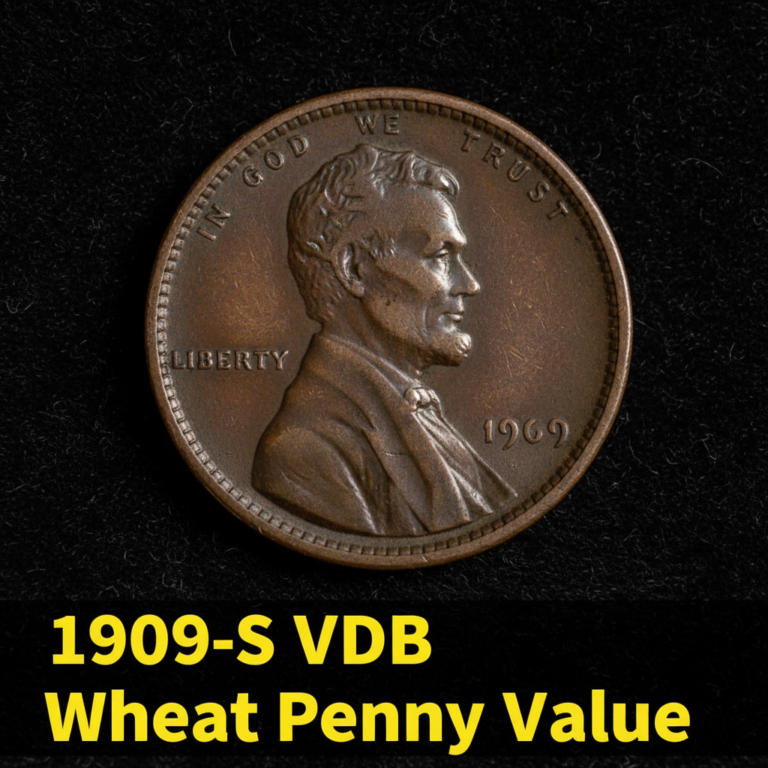
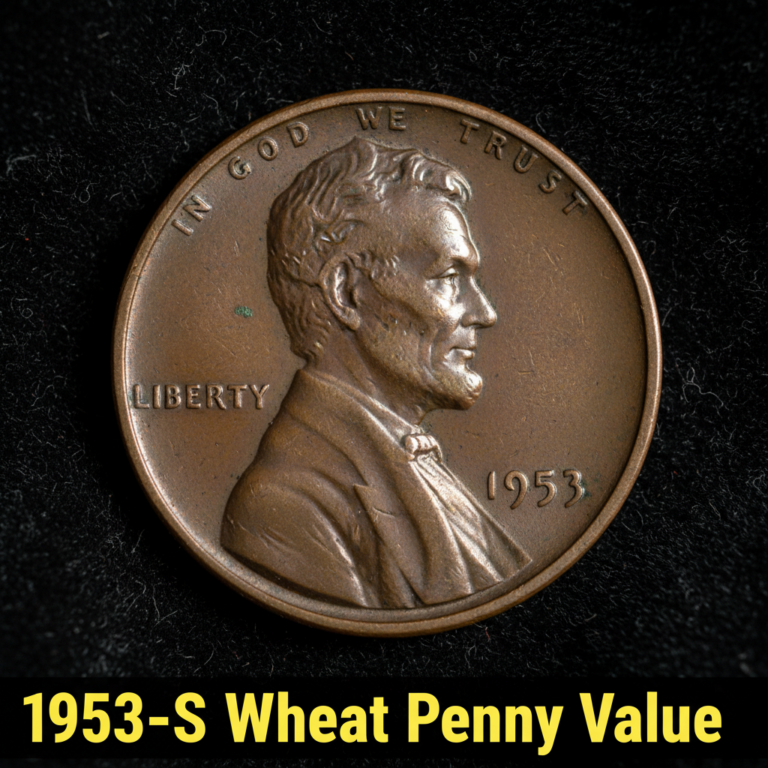
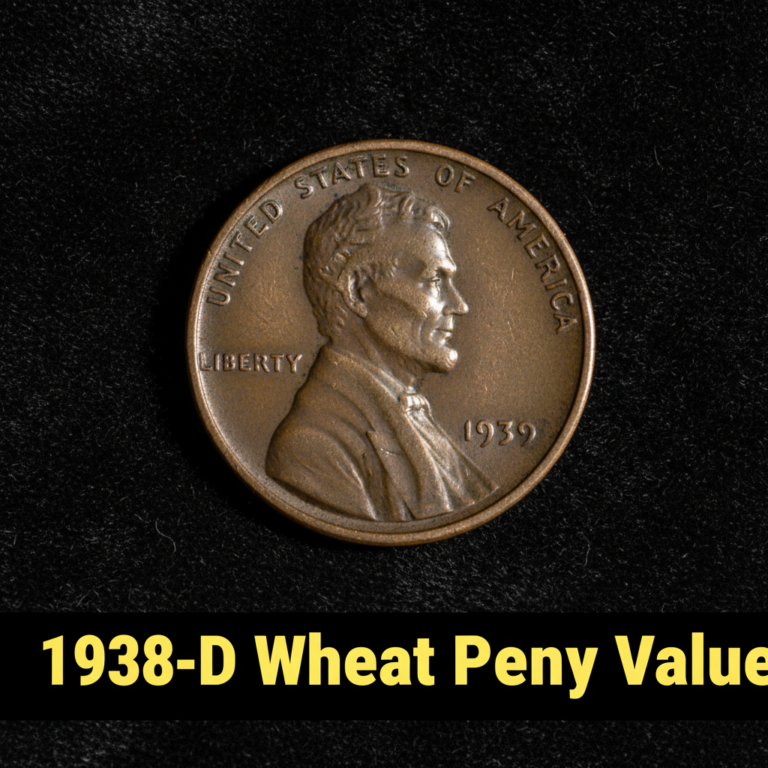
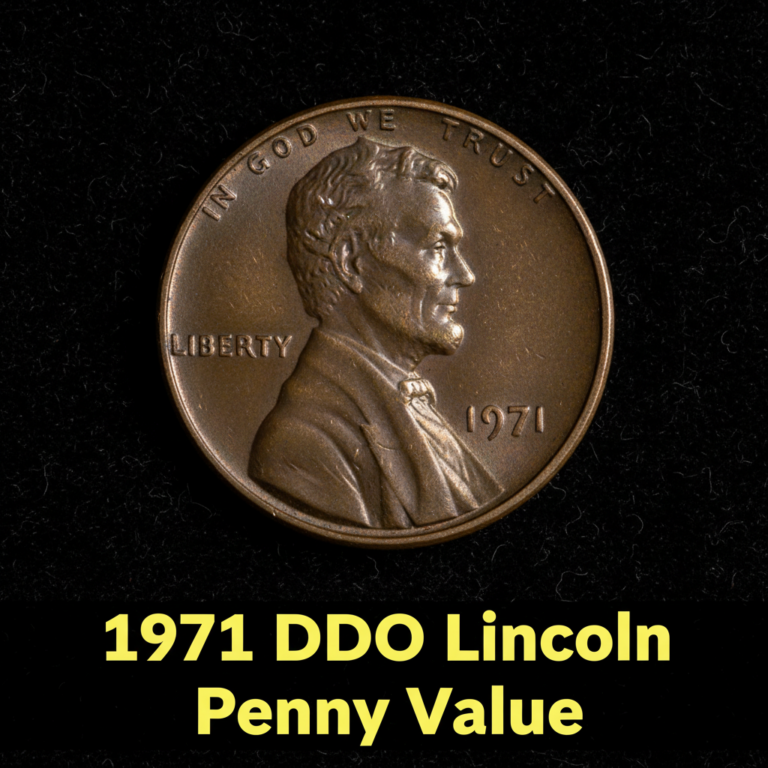
The coin features the classic Victor David Brenner obverse portrait of Abraham Lincoln, which has been used since 1909, along with the Lincoln Memorial reverse that debuted in 1959. The composition is 95% copper and 5% zinc/tin, which gives well-preserved examples that warm, bright red color collectors love. Once a coin starts to tone, it moves from “Red” (RD) to “Red-Brown” (RB) to “Brown” (BN), and value drops accordingly.
—
1963-D Lincoln Penny Value by Grade
Here’s where condition really matters. The difference between a worn example worth face value and a gem uncirculated piece can be dozens of dollars — or more.
| Grade | Condition Description | Estimated Value |
|---|---|---|
| Good (G-4) | Heavy wear, outline visible | $0.05 – $0.10 |
| Fine (F-12) | Moderate wear, details clear | $0.10 – $0.25 |
| Extremely Fine (EF-40) | Light wear on high points | $0.25 – $0.75 |
| MS-63 Red-Brown | Uncirculated, mixed toning | $1.00 – $3.00 |
| MS-65 Red | Gem uncirculated, full red | $8.00 – $15.00 |
| MS-67 Red | Superb gem, pristine surfaces | $100 – $300+ |
For a more detailed breakdown of 1963-D Lincoln penny prices across mint state grades, grading population data can help you understand how rare higher grades truly are.
—
How to Tell If Your 1963-D Penny Is Worth More
Here are the key things to check when examining your coin:
Color: Turn the coin under a light. Does it still have a bright, coppery-red shine? That’s the “Red” designation collectors pay a premium for. If it looks darker or brownish, it’s still collectible but worth less.
Surface quality: Look for bag marks, scratches, or contact marks. Even uncirculated coins can have blemishes from the mint bag they were stored in. Fewer marks = higher grade = higher value.
Mintmark location: On the 1963-D, the “D” mintmark sits just below the date on the obverse. Make sure it’s clear and well-struck.
Die varieties: Some collectors search for doubled die varieties or other minor errors. These are rare but can significantly boost value. A loupe or magnifier is handy here — or you can snap a photo and run it through CoinKnow for a quick AI-assisted analysis right from your phone.
—
Errors and Varieties That Boost the 1963-D Penny Value
Error coins are the hidden gems of Lincoln cent collecting. While most 1963-D pennies are straightforward, there are a few things to keep an eye out for:
– Off-center strikes: If the design is noticeably shifted to one side, leaving a blank crescent-shaped area, it’s an error coin. Depending on how dramatic the shift is (collectors often look for 20%+ off-center), these can sell for $25 to $100 or more.
– Doubled die obverse: Under magnification, look for doubling in the lettering or date. Minor doubling adds slight premium; strong, dramatic doubling can be worth significantly more.
– BIE errors: A small die crack between the “B” and “I” in LIBERTY creates what looks like an extra letter. These are popular with Lincoln cent specialists.
If you think you might have something unusual, CoinKnow lets you photograph the coin and quickly compare it against known varieties — a huge time-saver if you’re going through a large collection.
You can also browse a full guide to 1963 Lincoln penny values including error varieties to compare what you have against known examples.
—
Should You Get Your 1963-D Penny Graded?
For most circulated examples, professional grading through PCGS or NGC isn’t worth the cost. Grading fees typically start around $20–$30 per coin, so it only makes financial sense if you believe your coin grades MS-65 Red or higher.
If your coin looks like it’s never been touched — brilliant red surfaces, no visible marks — it’s worth getting a second opinion. You can start with CoinKnow, which gives you an instant AI-assisted grade estimate, then decide if submitting to a third-party grading service makes sense.
—
FAQ
Q: How much is a 1963-D Lincoln penny worth in average condition?
A: Most 1963-D pennies found in circulation are worth between 5 cents and 25 cents. They’re common coins, but well-preserved uncirculated examples with full red color can be worth $8 to $15 or more.
Q: Is a 1963-D penny rare?
A: No — over 1.7 billion were minted at Denver, making it one of the higher-mintage years of the era. However, high-grade gem examples with full red surfaces are genuinely scarce and command collector premiums.
Q: What’s the most valuable 1963-D Lincoln penny ever sold?
A: Top-grade examples certified MS-67 Red by PCGS or NGC have sold for several hundred dollars at major coin auctions. The exact record depends on the population of coins at that grade — the fewer graded that high, the more competition among buyers.