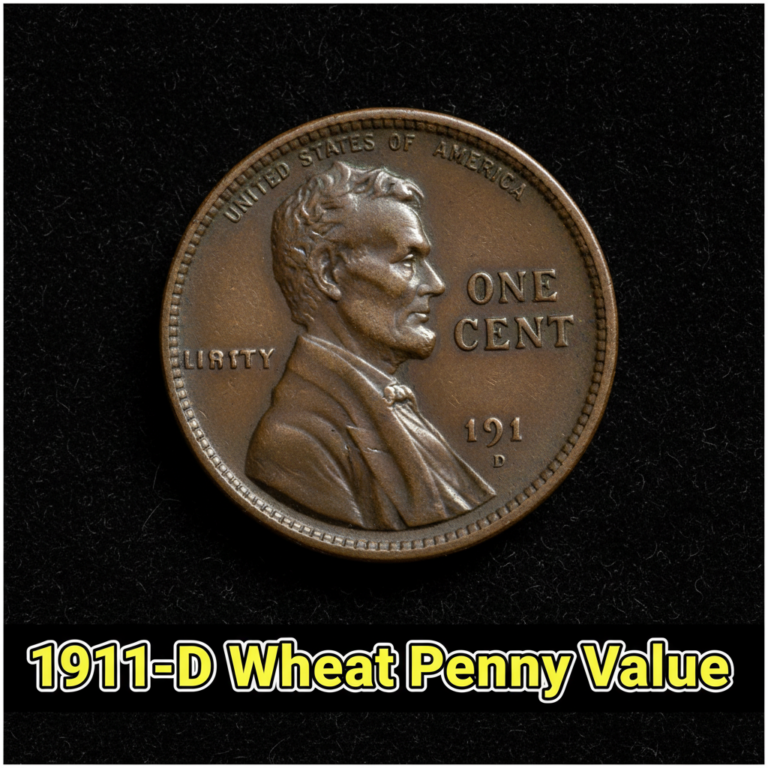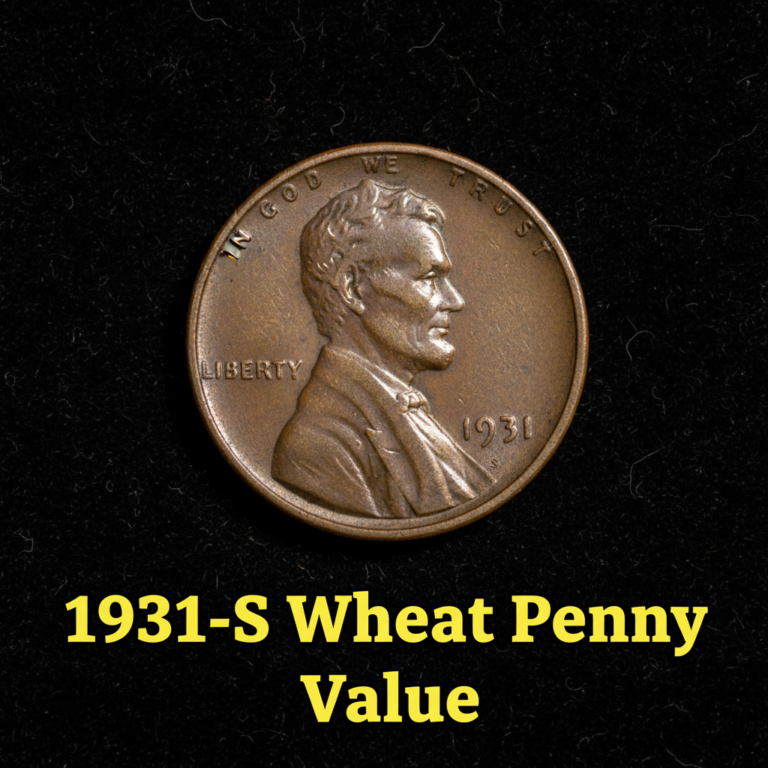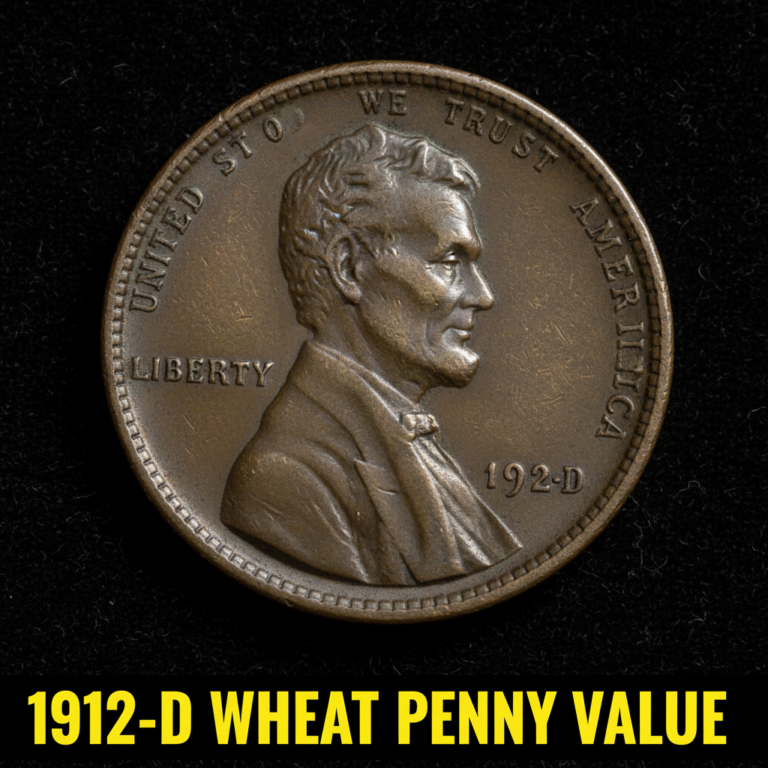
1982-D Zinc Small Date Lincoln Penny Value and What Yours Might Be Worth
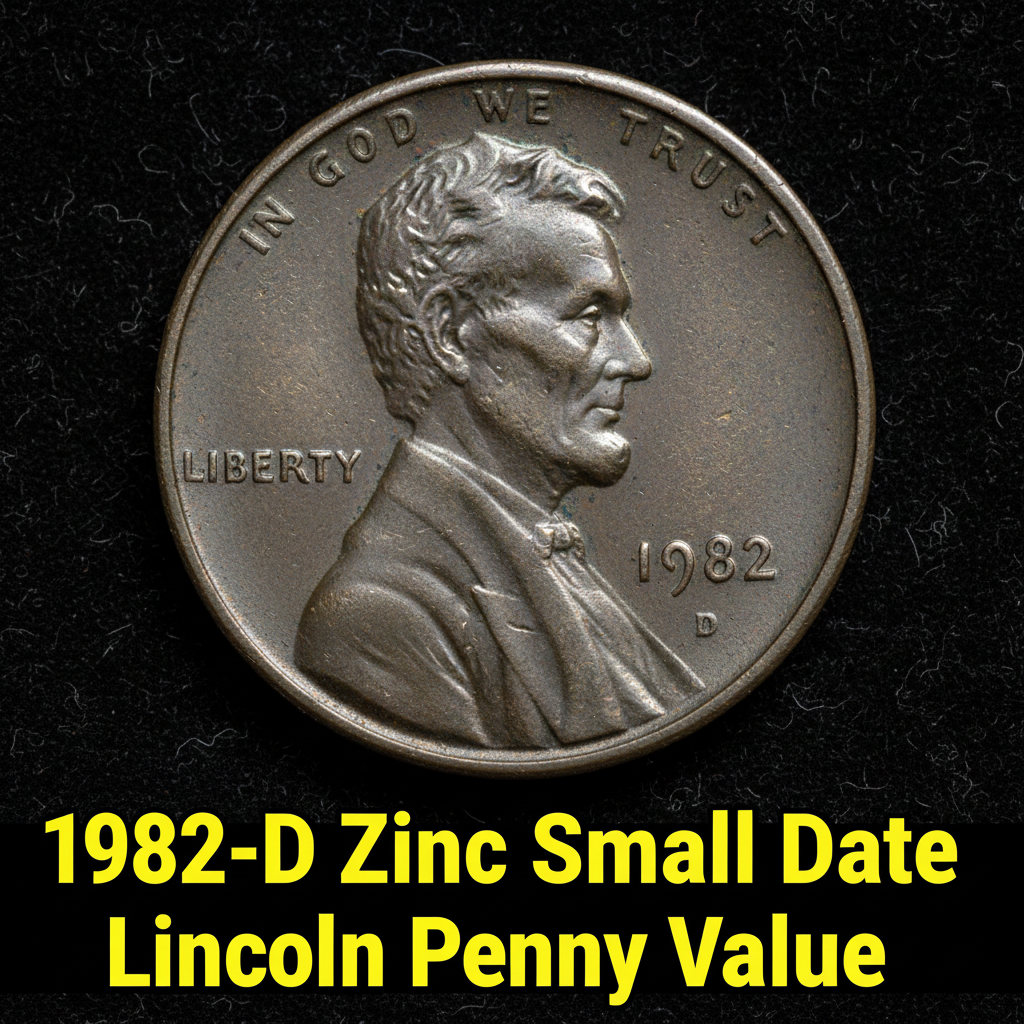
The 1982-D Zinc Small Date Lincoln Penny is worth anywhere from face value in heavily worn condition to $5 or more in uncirculated grades, with top-tier examples graded MS67 or higher selling for hundreds of dollars at auction. If you just found one of these coins and are wondering what you’re holding, you’re in the right place.
What Makes the 1982-D Zinc Small Date So Special?
The year 1982 was a turning point in U.S. coin history. The Mint switched from 95% copper to copper-plated zinc mid-year, and both the Philadelphia and Denver Mints produced coins in both compositions. To make things even more interesting, each mint struck pennies with either a “Large Date” or “Small Date” design — giving collectors up to eight different 1982 penny varieties to chase.
The 1982-D Zinc Small Date is one of the most talked-about varieties in the entire series. While not astronomically rare in circulated grades, it’s a genuinely collectible coin that many everyday people stumble across in pocket change or old jars. To identify it, look at the “2” in the date. On the Small Date, the “2” sits higher and the overall digits appear thinner and more compact compared to the Large Date. The “D” mintmark below the date tells you it was struck at the Denver Mint.
If you’re not sure which variety you have, a free coin identifier app can help you quickly compare your coin against known examples — saving you a lot of squinting under a magnifying glass.
1982-D Zinc Small Date Lincoln Penny Value by Grade
Like all coins, the value of the 1982-D Zinc Small Date depends heavily on its condition. A coin that’s been rattling around in someone’s pocket for 40 years is going to look very different — and be worth far less — than one that was set aside the day it was minted.
Here’s a general breakdown of what these coins are worth at different grade levels:
| Grade | Description | Estimated Value |
|---|---|---|
| Good (G-4) | Heavy wear, flat details | Face value – $0.05 |
| Fine (F-12) | Moderate wear, some detail | $0.05 – $0.25 |
| Extremely Fine (EF-40) | Light wear on high points | $0.25 – $1.00 |
| Mint State 63 (MS-63) | Uncirculated, some marks | $1 – $3 |
| Mint State 65 (MS-65) | Gem uncirculated | $3 – $10 |
| Mint State 67 (MS-67) | Superb gem, near perfect | $50 – $300+ |
For the most up-to-date auction results and certified coin prices, you can check out current 1982 Lincoln Penny MS-RD price data by grade to see what buyers are actually paying right now.
How to Tell If Your 1982-D Is Zinc or Copper
This is one of the most common questions people have about 1982 pennies — and for good reason. The easiest method is to weigh the coin. A zinc 1982 penny weighs 2.5 grams, while a copper one weighs 3.1 grams. A basic digital kitchen scale or postal scale works perfectly.
You can also do a quick drop test: copper coins produce a distinct ringing tone when dropped on a hard surface, while zinc coins make a duller, flatter sound. Neither test is 100% foolproof for grading purposes, but they’ll tell you which composition you’re working with in seconds.
If you want a thorough look at the full value picture for all 1982 penny varieties — including the zinc and copper breakdowns — this detailed 1982 penny value guide covers every variety with current pricing information.
How to Get the Most Money for Your 1982-D Zinc Small Date
If your coin looks uncirculated — full original red luster, sharp details, no visible scratches — it may be worth getting it professionally graded by PCGS or NGC. A certified MS65 or higher example will always sell for more than a raw (ungraded) coin, especially to serious collectors.
For everyday collectors and beginners, CoinKnow is a fantastic tool to start with. The CoinKnow app lets you scan your coin, identify the variety, and get an instant estimated value — all from your phone. It’s particularly useful for sorting through a batch of 1982 pennies when you’re trying to separate the varieties quickly without spending hours researching.
Online platforms like eBay, Heritage Auctions, and Great Collections are all solid venues for selling higher-grade examples. If your coin is circulated, it’s still worth hanging onto as a variety coin for a type set or Lincoln cent collection.
FAQ
Q: How do I know if my 1982-D penny is the Small Date or Large Date variety?
A: Look closely at the date digits, especially the “2.” On the Small Date, the numerals are thinner and the “2” sits higher relative to the other digits. The Large Date has chunkier, lower-set numbers. Comparing your coin side-by-side with reference images online — or using an app like CoinKnow — makes this much easier.
Q: Is the 1982-D Zinc Small Date rare?
A: It’s not considered rare in circulated condition, but it is a genuine variety that collectors actively seek. High-grade examples (MS66 and above) are genuinely scarce and can command strong prices at auction. It’s definitely worth setting aside rather than spending.
Q: Can I sell a worn 1982-D Zinc Small Date Lincoln Penny for more than face value?
A: In heavily worn grades, probably not much more than a few cents above face value. However, even circulated examples are worth keeping if you’re building a Lincoln cent variety collection. The real money is in uncirculated coins, particularly those with full original red color and a grade of MS65 or better.