1888 Liberty Nickel Value What It’s Worth and Why Collectors Care
The 1888 Liberty Nickel is worth anywhere from $2 in heavily worn condition to over $200 or more in well-preserved mint state examples, with rare high-grade specimens fetching even higher prices at auction. If you just found one of these old nickels, you’re in the right place to find out exactly what it might be worth.
What Is the 1888 Liberty Nickel?
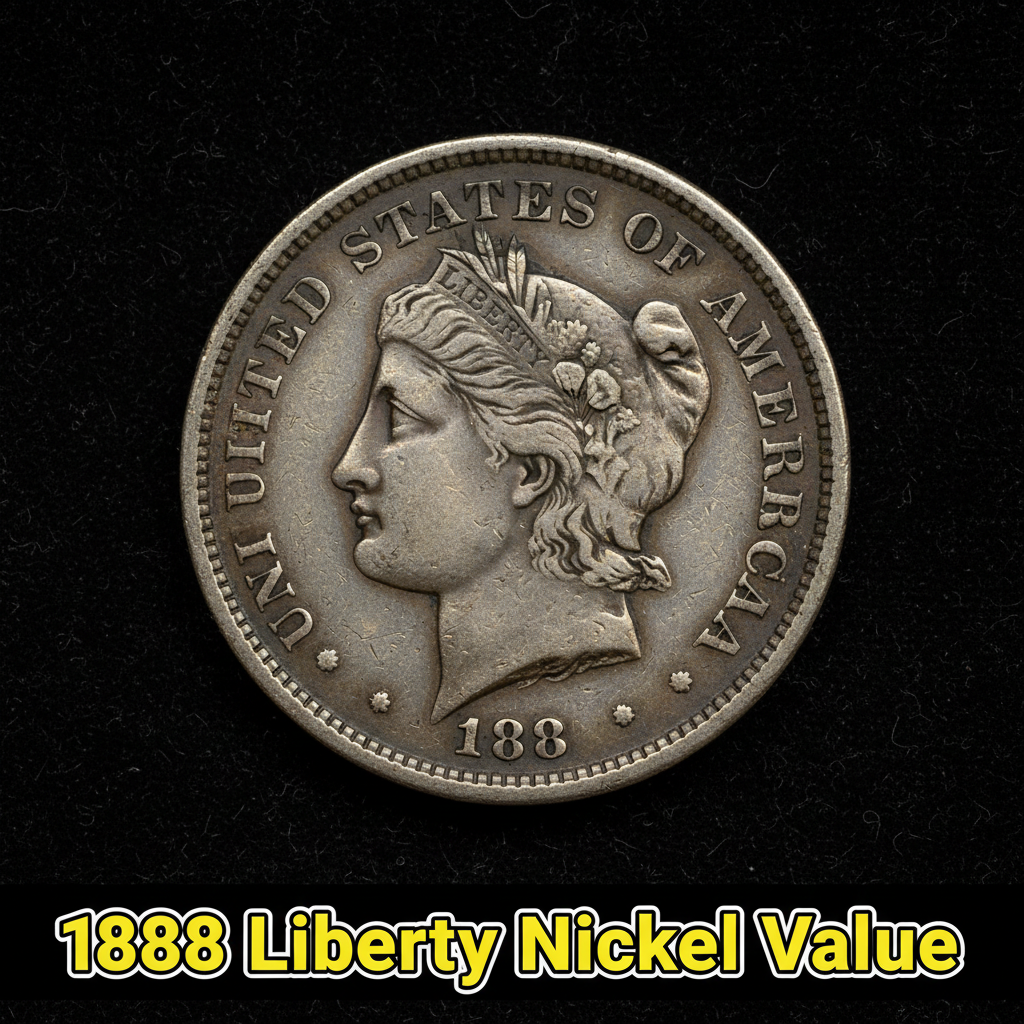
The 1888 Liberty Nickel, also known as the V Nickel or Shield Nickel’s successor, was produced at the Philadelphia Mint during a time when American coinage was evolving rapidly. Designed by Charles Barber, the Liberty Nickel features a classical portrait of Liberty on the obverse and a large Roman numeral “V” surrounded by stars and a wreath on the reverse. These coins were struck without a mint mark since Philadelphia was the sole producer at the time.
If you’re not sure what you have, a free coin identifier app can help you quickly scan and identify your coin before diving deeper into its value. Tools like CoinKnow make it easy for everyday collectors and curious finders alike to get fast, reliable identification results right from their smartphones.
The 1888 issue had a mintage of approximately 10,720,483 coins, which is fairly substantial. However, since most of these circulated heavily for decades, truly well-preserved examples are genuinely scarce today. That’s what drives value — not just age, but condition.
How Much Is the 1888 Liberty Nickel Worth by Grade?
Coin values depend heavily on condition, or “grade” in collector terminology. A coin graded Good (G-4) is heavily worn but still identifiable, while one graded Mint State (MS-63 or above) looks nearly as fresh as the day it was made. Here’s a breakdown of estimated values for the 1888 Liberty Nickel:
| Grade | Condition | Estimated Value |
|---|---|---|
| G-4 (Good) | Heavy wear, design visible | $2 – $5 |
| VG-8 (Very Good) | Moderate wear, clear detail | $6 – $12 |
| F-12 (Fine) | Light to moderate wear | $14 – $25 |
| VF-20 (Very Fine) | Light wear on high points | $30 – $50 |
| EF-40 (Extremely Fine) | Slight wear, sharp detail | $60 – $100 |
| MS-63 (Mint State) | Uncirculated, minor blemishes | $150 – $250 |
| MS-65 and above | Gem uncirculated | $400+ |
For the most current pricing data, you can check detailed 1888 Liberty Nickel mint state price listings and auction records to see how recent sales compare to these estimates.
What Affects the Value of Your 1888 Liberty Nickel
Several factors beyond just grade can influence how much your coin is actually worth. Strike quality matters — some 1888 Liberty Nickels were weakly struck, meaning the details on Liberty’s hair or the stars around the “V” may be softer even on uncirculated pieces. A sharp, well-struck coin commands a premium over a flat one at the same technical grade.
Eye appeal is another big factor. Collectors prize coins with original luster and no cleaning. Unfortunately, many old nickels were cleaned or polished by previous owners who thought they were helping — this actually destroys value significantly. A coin with natural, undisturbed surfaces will always outsell a cleaned one.
Color and toning also play a role. Naturally toned coins with attractive blue, gold, or gray hues often sell above standard price guides. If you’re unsure how to evaluate your coin’s surface quality, CoinKnow offers a visual grading guide that helps beginners understand what professional coin graders look for.
Is the 1888 Liberty Nickel a Good Find?
For most people who discover an 1888 Liberty Nickel in a grandfather’s collection, a drawer, or at an estate sale, this is a genuinely rewarding find. While it won’t retire you, it’s a piece of American history that’s over 135 years old. Circulated examples are affordable and collectible, and mint-state survivors are legitimately desirable to serious collectors.
If you’re exploring other coins from the same era, it’s also worth looking into silver dollars from the 1880s. You can find detailed information about the 1888 Silver Dollar’s value and what makes it worth collecting — these coins often turn up together in old family collections and can be surprisingly valuable.
Building a set of Liberty Nickels by date is a popular and achievable goal for collectors at all levels. The 1888 date is considered a common issue within the series, making it an approachable starting point.
How to Get the Best Price for Your 1888 Liberty Nickel
If you’re thinking about selling, your approach matters. Avoid cleaning the coin — this is the number one mistake sellers make. Submit higher-grade examples to a professional grading service like PCGS or NGC, as certified coins sell for significantly more than raw ones. For coins in lower circulated grades, online marketplaces like eBay or local coin dealers are practical options.
CoinKnow is also a great resource for researching recent sale prices before you list your coin, so you know what fair market value actually looks like. Going in informed means you won’t leave money on the table.
FAQ
Q: How do I know if my 1888 Liberty Nickel is genuine?
A: Look for sharp details on Liberty’s portrait and the stars. Counterfeits do exist but are uncommon for this date. A reputable coin dealer or a professional grading service can authenticate it for a small fee. Apps like CoinKnow can also help with initial identification.
Q: Does the 1888 Liberty Nickel contain silver?
A: No. The Liberty Nickel is composed of 75% copper and 25% nickel. It has no silver content, so its value is based entirely on collector demand rather than metal content.
Q: What’s the most valuable 1888 Liberty Nickel ever sold?
A: Gem mint state examples graded MS-66 or higher have sold at auction for well over $1,000. The finest known specimens in top condition are rare and actively sought by advanced collectors, making grade the most important factor in determining top-end value.