1892 Liberty Nickel Value What It’s Worth and Why Collectors Care
The 1892 Liberty Nickel is worth anywhere from $3 in heavily worn condition to over $500 or more in high mint state grades — and certain rare varieties can push that number even higher. If you’ve found one of these old nickels, you’re in the right place to find out exactly what you’ve got.
What Is the 1892 Liberty Nickel?
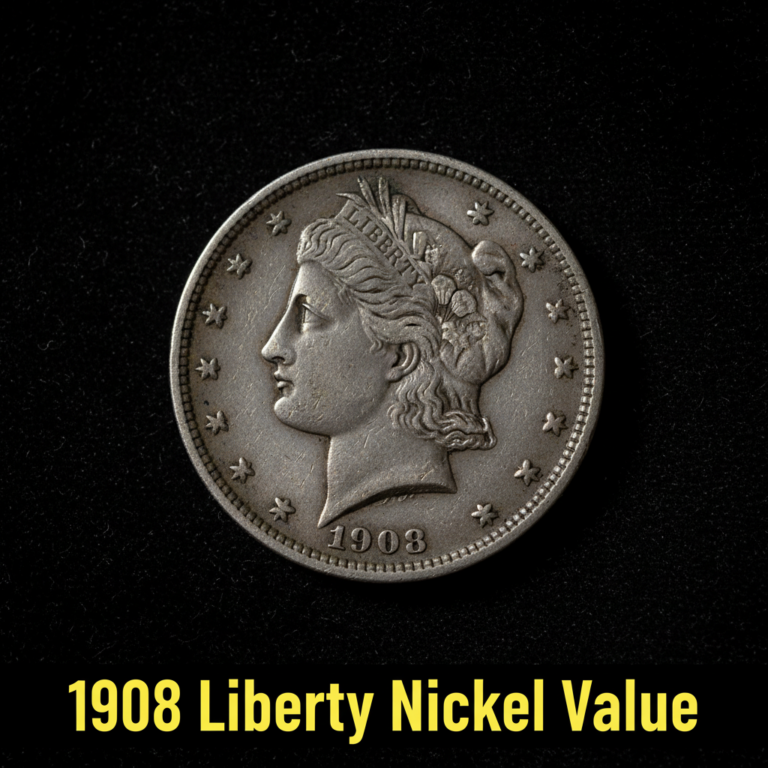
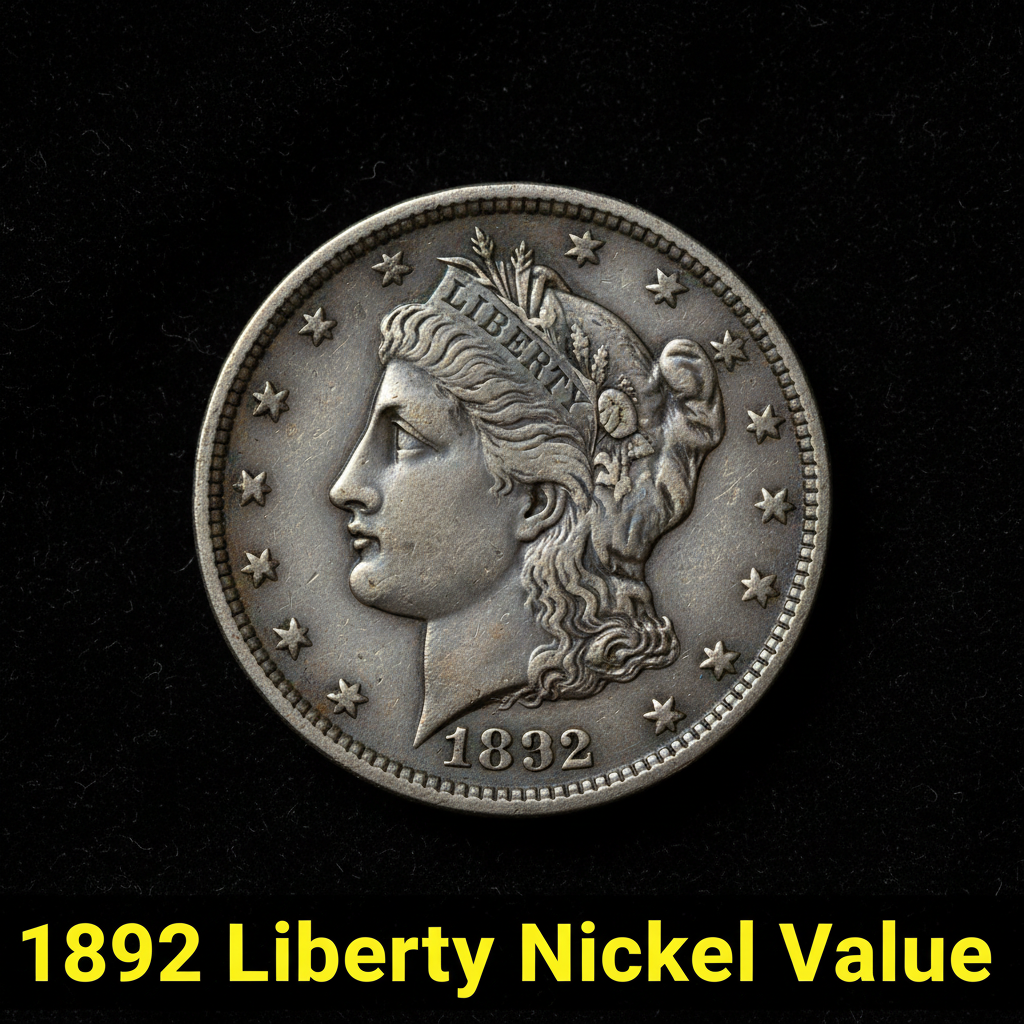
The 1892 Liberty Nickel is part of the Liberty Head series, also known as the “V Nickel,” designed by Charles Barber and minted from 1883 to 1912. The obverse features Lady Liberty facing left, surrounded by stars, while the reverse shows a large Roman numeral “V” inside a wreath. These coins were made at the Philadelphia Mint and carry no mint mark. If you’re not sure which coin you’re holding, a free coin identifier app can help you confirm the design and date in seconds. The 1892 issue had a mintage of around 11.7 million pieces, which means it’s not an ultra-rare coin — but condition plays a massive role in how much yours is actually worth. A coin pulled from a jar at grandma’s house will look very different from one that’s been properly stored since the day it was struck.
How Much Is the 1892 Liberty Nickel Worth by Grade?
Coin value is almost entirely driven by condition, or “grade” in collector terms. A well-worn 1892 Liberty Nickel might show flat detail on Liberty’s hair and a faded “V” on the back. As condition improves, so does the price — dramatically. Here’s a general value table to give you a quick reference:
| Grade | Description | Estimated Value |
|---|---|---|
| G-4 (Good) | Heavy wear, date visible | $3 – $6 |
| VG-8 (Very Good) | Moderate wear, some detail | $7 – $12 |
| F-12 (Fine) | Light to moderate wear | $15 – $25 |
| VF-20 (Very Fine) | Light wear on high points | $30 – $50 |
| EF-40 (Extremely Fine) | Slight wear, crisp detail | $65 – $100 |
| MS-63 (Mint State) | Uncirculated, minor marks | $200 – $350 |
| MS-65 (Gem Mint State) | Exceptional luster and surfaces | $500+ |
For the most current auction data, you can check out detailed 1892 Liberty Nickel mint state price records that track real sale results across major platforms.
What Factors Affect the 1892 Liberty Nickel Value Most?
Beyond grade, a few other things can meaningfully shift what your coin is worth. Luster is huge — a true uncirculated coin with original mint shine is worth far more than one that’s been cleaned. Cleaning is one of the most common ways a coin loses value; those harsh scratches left by polishing can drop a coin’s grade significantly. Eye appeal matters too: coins with sharp strikes, well-centered designs, and attractive toning tend to sell at a premium even within the same numerical grade.
Color and surface preservation also play a role. Prooflike examples — coins that were struck with extra care and show mirror-like surfaces — command noticeable premiums. If you’re comparing your 1892 Liberty Nickel to similar coins from other years, you might also find useful context in 1892 coin value guides for other denominations from the same era, which can give you a feel for the overall market from that period.
Proof Versions and Special Strikes
The Philadelphia Mint also struck proof versions of the 1892 Liberty Nickel for collectors. These proof coins were specially polished and struck with greater care, giving them deeply reflective fields and razor-sharp detail. The 1892 proof Liberty Nickel had a mintage of just 2,745 pieces — making them genuinely scarce today. A proof in PR-63 condition can sell for $200 to $350, while a gem proof graded PR-65 or better can easily exceed $500 to $700 at auction. If your coin has unusually mirror-like surfaces and perfect detail, it might be worth having it professionally examined. CoinKnow is a great tool for getting a quick look at your coin’s grade potential before you commit to a costly third-party grading service.
Should You Get Your 1892 Liberty Nickel Graded?
If you believe your coin is in VF condition or better — especially if it looks uncirculated — professional grading from PCGS or NGC can be a smart investment. A graded and slabbed coin is easier to sell, more trustworthy to buyers, and often commands a higher price than a raw coin. For lower-grade circulated examples worth under $20, the grading fee usually isn’t worth it. Use CoinKnow to photograph and assess your coin at home first. It’s a fast way to get a ballpark idea of what you’re working with before spending money on professional services. Knowing your coin’s approximate grade in advance helps you make smarter decisions about whether grading, selling, or simply holding onto it makes the most sense.
—
FAQ
Q: Is the 1892 Liberty Nickel a good coin to collect?
A: Yes, it’s a solid entry point for collectors interested in the Liberty Head V Nickel series. It’s affordable in circulated grades, widely available, and has an appealing classic design. Higher-grade examples also have real investment potential.
Q: How can I tell if my 1892 Liberty Nickel has been cleaned?
A: Look for fine hairline scratches under magnification, especially in the flat “field” areas around the design. Cleaned coins often look too bright or have an unnatural, washed-out appearance. Original coins tend to have a warmer, more natural look to their surfaces. CoinKnow can help you compare your coin’s surface characteristics against reference images.
Q: Where is the best place to sell a 1892 Liberty Nickel?
A: For lower-grade circulated coins, eBay or local coin shops are practical options. For higher-grade or proof examples, major auction houses like Heritage Auctions or Stack’s Bowers often achieve the best realized prices, especially for coins graded by PCGS or NGC.