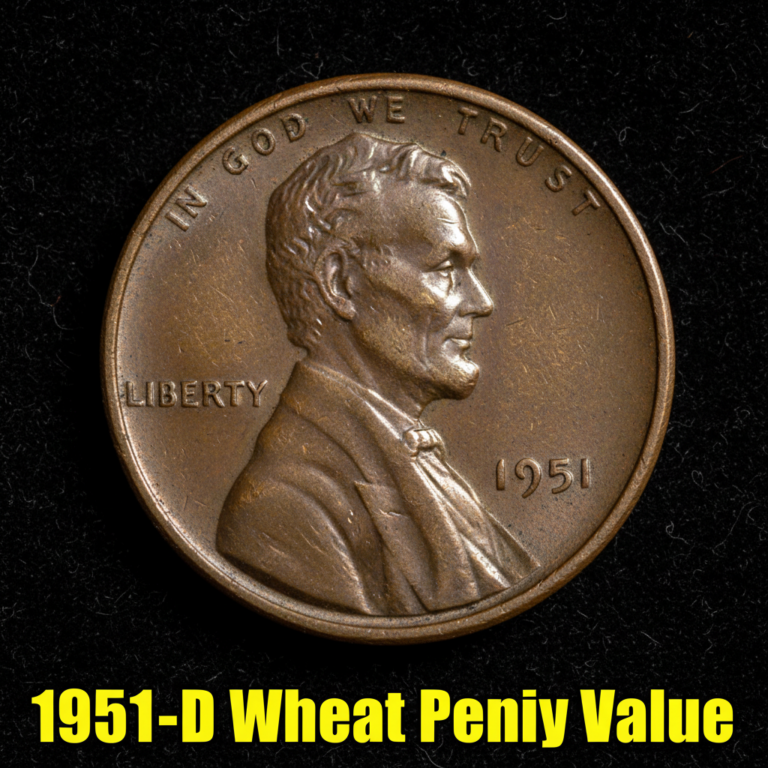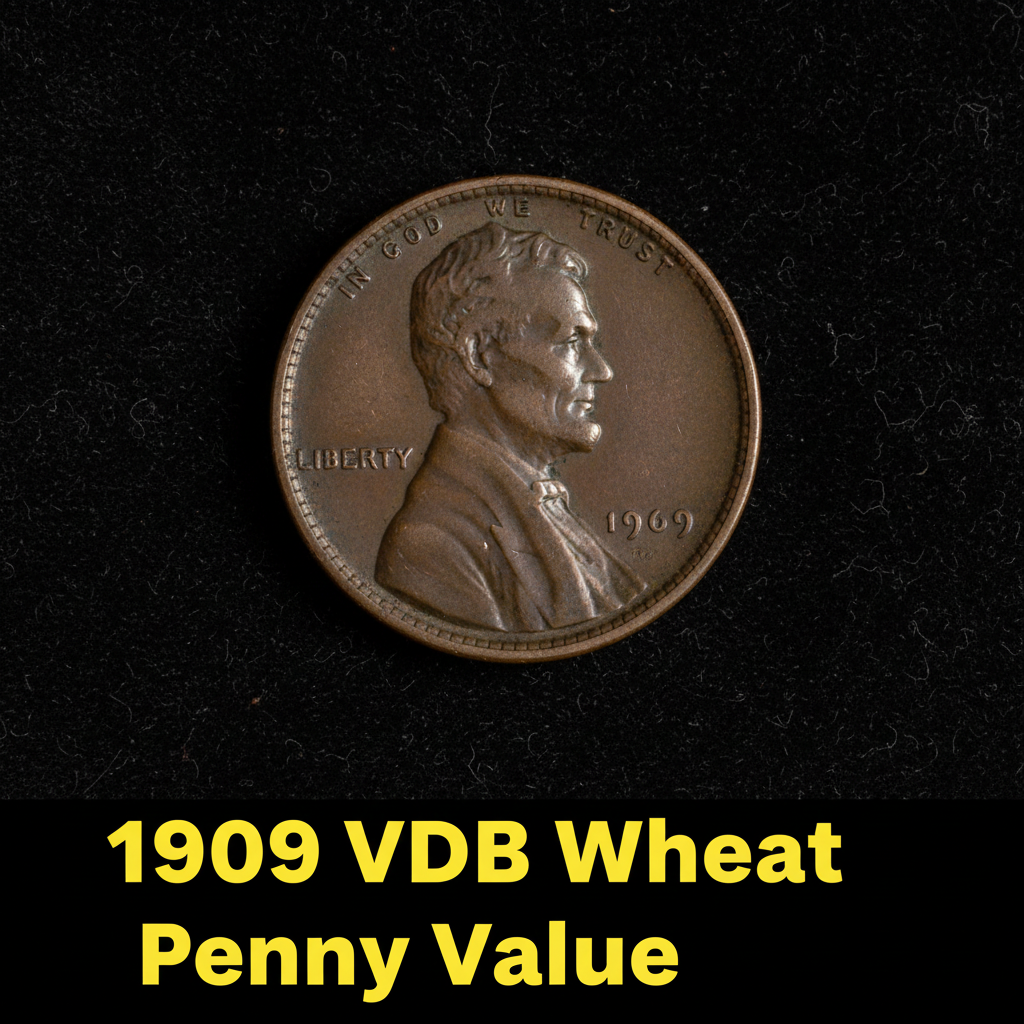
1909 VDB Wheat Penny Value Guide How Much Is Yours Worth
The 1909 VDB Lincoln Wheat Penny is worth anywhere from $8 in heavily worn condition to over $2,000 or more in pristine mint state — making it one of the most talked-about coins in American numismatic history. If you’ve got one in your hands right now, you’re holding something truly special.
If you’re just getting started identifying old coins, a free coin identifier app can help you quickly figure out what you’re looking at before diving into values. Tools like CoinKnow are especially handy for beginners — just snap a photo and get instant results on your coin’s identity and approximate worth.
—
What Makes the 1909 VDB Penny So Special
The 1909 VDB Lincoln cent holds a unique place in U.S. coin history. It was the very first Lincoln penny ever made, issued to replace the long-running Indian Head cent. What makes the “VDB” version stand out is the set of initials — V.D.B. — stamped on the reverse of the coin. Those letters belong to Victor David Brenner, the artist who designed the coin.
Almost immediately after release, the public complained that the designer’s initials were too prominent. The U.S. Mint pulled the coin from production after just a short run, making the 1909 VDB a low-mintage coin right out of the gate. The Philadelphia Mint struck about 27.9 million of them — which sounds like a lot, but compared to most Lincoln cents, it’s relatively scarce. More importantly, people saved them from the start because they knew these coins were special. That means many surviving examples are in better condition than your average old penny.
—
1909 VDB Penny Value by Grade
The condition of your coin — what collectors call the “grade” — is the biggest factor in determining value. A coin that’s been circulated for decades will show heavy wear, while an uncirculated example can look nearly as bright as the day it was made.
Here’s a general value breakdown:
| Grade | Description | Estimated Value |
|---|---|---|
| Good (G-4) | Heavy wear, design visible | $8 – $12 |
| Very Fine (VF-20) | Moderate wear, clear details | $18 – $30 |
| Extremely Fine (EF-40) | Light wear on high points | $30 – $55 |
| About Uncirculated (AU-55) | Slight friction, near mint | $60 – $100 |
| MS-63 Red | Uncirculated, some marks | $200 – $400 |
| MS-65 Red | Gem uncirculated, bright red | $700 – $2,000+ |
For the most up-to-date figures, you can check detailed 1909 VDB Wheat Penny price data across mint state grades to see exactly where your coin might fall on the spectrum.
—
How to Tell If Your Penny Is Genuine
With a coin this popular and valuable, counterfeits and altered coins do exist. The most common fake is a regular 1909 Lincoln cent that someone added “VDB” initials to. Here’s how to check yours:
First, look at the reverse of the coin. The “V.D.B.” initials should appear centered at the very bottom of the reverse, just below the wheat stalks. The letters should look sharp and naturally integrated into the design — not scratched in or uneven.
Second, check the date. It should clearly read 1909 with no signs of tampering. Third, look at the overall coin — a genuine 1909 VDB will feel balanced in hand and have consistent luster if uncirculated.
If you’re unsure, using CoinKnow is a great first step. The app lets you scan your coin and cross-reference design details, which helps you spot inconsistencies before you take the coin to a dealer or send it in for professional grading.
—
The 1909-S VDB vs. the Philadelphia Version
When people talk about 1909 VDB penny value, there are actually two versions to know about. The Philadelphia Mint coin (no mint mark) is the one most people find and is worth $8 to $2,000+ depending on grade, as shown above.
Then there’s the 1909-S VDB — struck at the San Francisco Mint, identified by the small “S” mint mark on the obverse below the date. Only about 484,000 of these were made, making it one of the most valuable regular-issue Lincoln cents in existence. A circulated 1909-S VDB can fetch $700 to $1,500, while a gem uncirculated example can exceed $10,000 or even $50,000 at auction.
The mint mark location is small, so examine your coin carefully with a magnifying glass. For a full breakdown of how values differ between these two varieties, this complete guide to 1909 VDB penny values by variety and grade is a great resource to bookmark.
—
Tips for Getting the Best Price for Your 1909 VDB Penny
If you’re thinking about selling, knowing your coin’s grade beforehand puts you in a much stronger negotiating position. Here are a few practical tips:
Don’t clean your coin. A cleaned coin loses significant collector value, even if it looks shinier to you. Collectors prefer natural surfaces, even if they look dark or worn. Store your coin in a protective flip or airtight holder to prevent further damage.
Consider getting it graded by a professional service like PCGS or NGC if you believe it’s in uncirculated condition. The grading fee is often worth it for high-value examples. And again, apps like CoinKnow can give you a solid starting point estimate right from your phone before you commit to any fees or sales decisions.
—
FAQ
Q: How do I know if my 1909 penny has the VDB initials?
A: Flip the coin over and look at the very bottom of the reverse — right below the wheat stalks. You should see the letters “V.D.B.” stamped there. If the reverse shows “ONE CENT” and wheat stalks but no initials, you have a standard 1909 Lincoln cent without the designer’s initials, which is less valuable.
Q: Is a 1909 VDB penny rare?
A: The Philadelphia version (no mint mark) is moderately scarce with about 27.9 million minted, making it collectible but not impossible to find. The 1909-S VDB from San Francisco, however, is genuinely rare with fewer than 500,000 struck and is considered one of the key dates in the Lincoln cent series.
Q: Should I get my 1909 VDB penny professionally graded?
A: It depends on the condition. If your coin looks uncirculated or close to it, professional grading from PCGS or NGC can dramatically increase buyer confidence and sale price. For circulated examples worth under $50, grading fees may not be cost-effective. Start with a CoinKnow scan to get a quick baseline before deciding.