1916-D Wheat Penny Value Guide How Much Is It Really Worth
The 1916-D Wheat Penny is worth anywhere from $3 in heavily worn condition to well over $1,000 in high mint state grades — and rare examples have sold for thousands more at auction. If you found one in an old coin jar or inherited a collection, you may be sitting on a surprisingly valuable piece of American history.
What Makes the 1916-D Wheat Penny Special
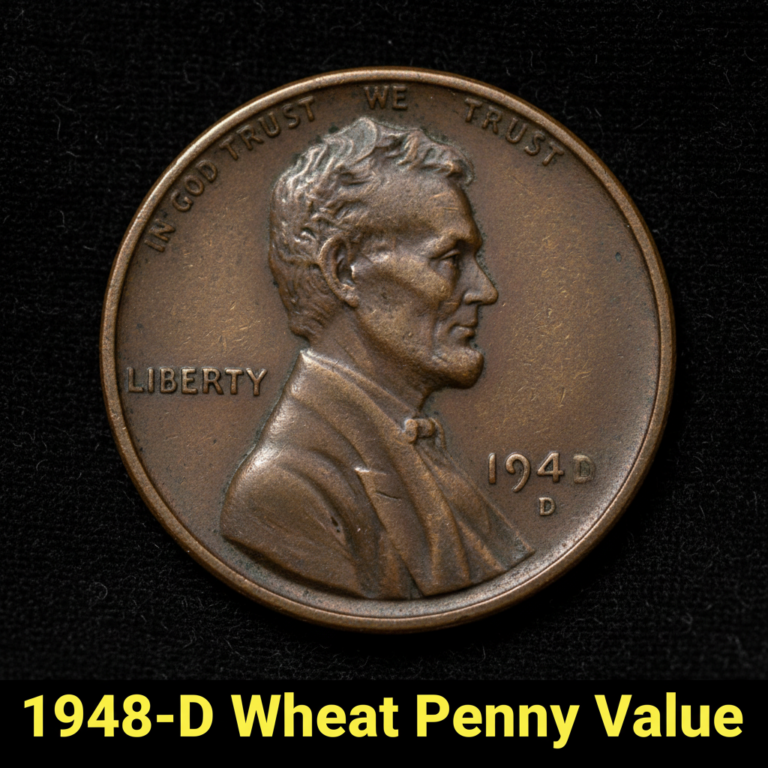
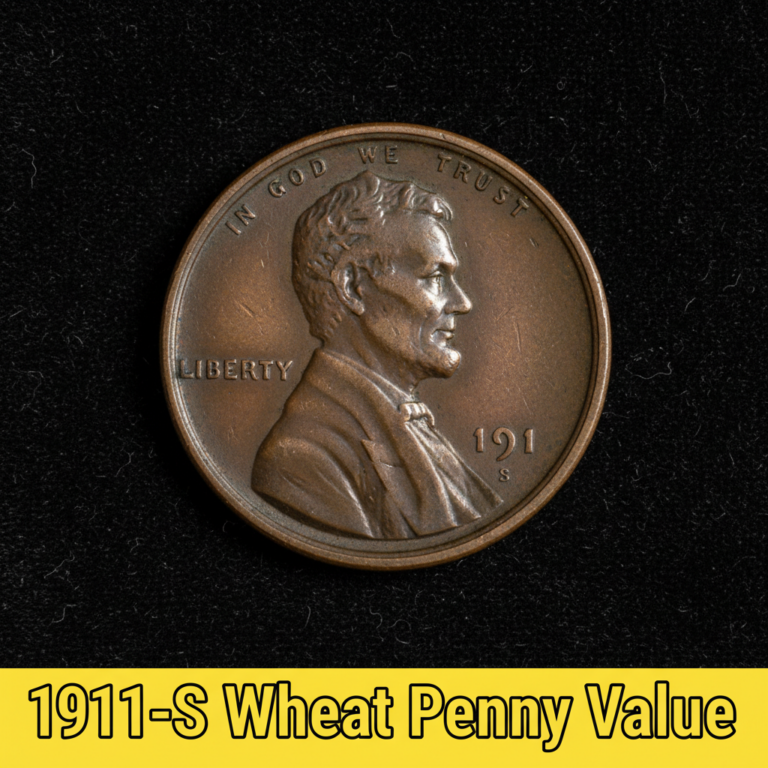
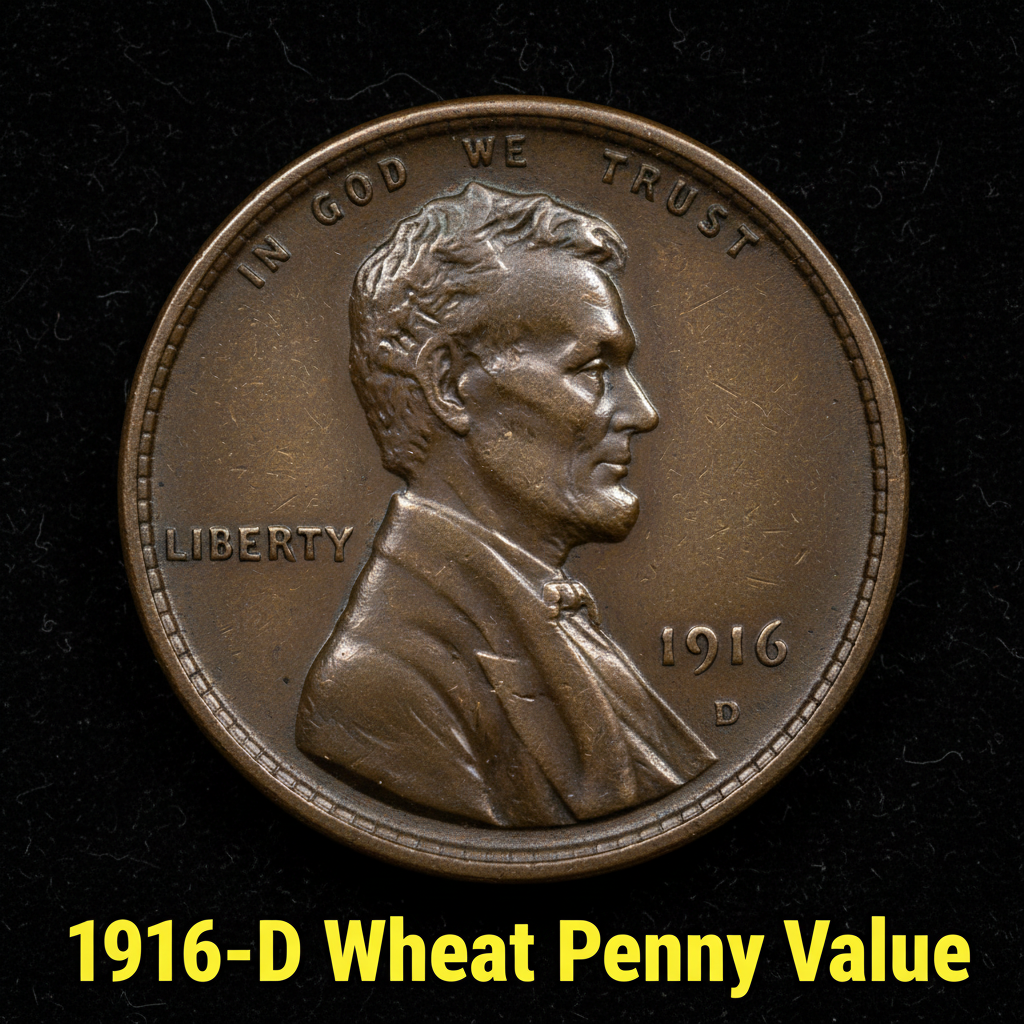
The 1916-D Lincoln Wheat Penny was struck at the Denver Mint, identified by the small “D” mintmark just below the date on the obverse. That year, the Denver facility produced around 35,956,000 pennies — a decent mintage, but far fewer than the Philadelphia issue. Over a century of circulation has taken its toll, meaning well-preserved examples are genuinely hard to come by today.
If you’ve just discovered a coin and aren’t sure what you’re looking at, a free coin identifier app can help you confirm the date, mintmark, and mint facility within seconds. Once you’ve confirmed it’s a 1916-D, the next step is figuring out its grade and condition — because that’s what truly drives the value.
CoinKnow is one of the most popular tools collectors use for exactly this purpose. The app walks you through grading basics, compares your coin to reference images, and gives you real-time market estimates based on condition — all from your phone.
1916-D Wheat Penny Value by Grade
Coin values vary dramatically depending on wear. A coin that looks “old but readable” is very different from one that looks nearly new. Here’s a breakdown of typical retail values for the 1916-D Wheat Penny across common grades:
| Grade | Condition Description | Estimated Value |
|---|---|---|
| Good (G-4) | Heavy wear, outline visible | $3 – $6 |
| Very Good (VG-8) | Moderate wear, major features clear | $8 – $15 |
| Fine (F-12) | Even wear, all lettering visible | $18 – $30 |
| Extremely Fine (EF-40) | Light wear on high points only | $60 – $100 |
| About Uncirculated (AU-55) | Slight friction, mostly sharp | $150 – $250 |
| MS-63 Red-Brown | Uncirculated, some original color | $400 – $650 |
| MS-65 Red (Full Red) | Gem uncirculated, vibrant luster | $1,200+ |
For a deeper look at certified auction results and current retail pricing, you can check the latest 1916-D Wheat Penny MS Red price data to see exactly what graded examples have sold for recently.
How to Identify a Genuine 1916-D and Avoid Fakes
Because the 1916-D has real collector value, it attracts fakes and altered coins. The most common scam involves taking a 1916 Philadelphia cent (no mintmark) and adding a fake “D” with a graving tool. Under magnification, a genuine mintmark will show clean, sharp edges that flow naturally from the coin’s surface. An added mintmark often looks slightly raised, uneven, or out of alignment compared to authentic examples.
Weight and diameter should also match standard specs: 3.11 grams and 19mm across. Any deviation is a red flag. If you’re unsure, CoinKnow includes an authentication checklist that helps you spot the signs of a doctored coin before you buy or sell.
Another thing to check: the “D” mintmark on genuine 1916-D cents sits below the date and is slightly to the right. Familiarizing yourself with this placement through comparison images is one of the quickest ways to protect yourself.
Color Designation and Why It Matters for 1916-D Value
For uncirculated Lincoln cents, grading services like PCGS and NGC assign a color designation — Red (RD), Red-Brown (RB), or Brown (BN) — that significantly affects price. A 1916-D graded MS-65 Red can be worth three to four times more than the same coin graded MS-65 Brown. That’s because original mint red luster is rare after more than 100 years.
Most 1916-D cents that survived in uncirculated condition have turned at least partially brown from oxidation and storage conditions. True Red examples are exceptional and command strong premiums at auction. If your coin still shows bright copper luster across most of its surface, it’s worth getting professionally graded.
For a comprehensive overview of 1916 penny values across all mint marks and grades, including the Philadelphia and San Francisco issues, that resource breaks it down clearly by condition and color.
Tips for Selling Your 1916-D Wheat Penny
Once you know what you have, selling it at the right price is the next challenge. For coins worth under $50, online platforms like eBay work well — just compare recent “sold” listings, not asking prices. For coins worth $100 or more, consider getting a professional grade from PCGS or NGC first. A certified grade dramatically increases buyer confidence and often leads to a higher final sale price.
Local coin dealers are another option, though they typically pay 50–70% of retail value since they need room for profit. Coin shows can be a better venue for negotiating closer to full value. Whatever route you choose, CoinKnow can give you a pre-sale value estimate so you walk into any negotiation knowing your floor price.
—
Frequently Asked Questions
Q: How do I know if my penny is a 1916-D and not a 1916 Philadelphia cent?
A: Look directly below the date on the obverse (front) of the coin. If you see a small “D” mintmark, it was made at the Denver Mint. Philadelphia cents from 1916 have no mintmark at all. A magnifying glass or loupe makes this much easier to confirm.
Q: Is a worn 1916-D Wheat Penny still worth keeping?
A: Absolutely. Even in Good condition, a genuine 1916-D is worth $3 to $6 or more — well above face value. In Fine condition, you’re looking at $18 to $30. It’s a century-old coin with real collector demand at every grade level, so there’s no reason to spend it.
Q: Should I clean my 1916-D Wheat Penny before selling it?
A: No — never clean a collectible coin. Cleaning removes the natural patina and surface metal, which destroys value in the eyes of collectors and graders. A cleaned coin that might have been worth $100 could drop to a fraction of that after cleaning. Leave it exactly as you found it.