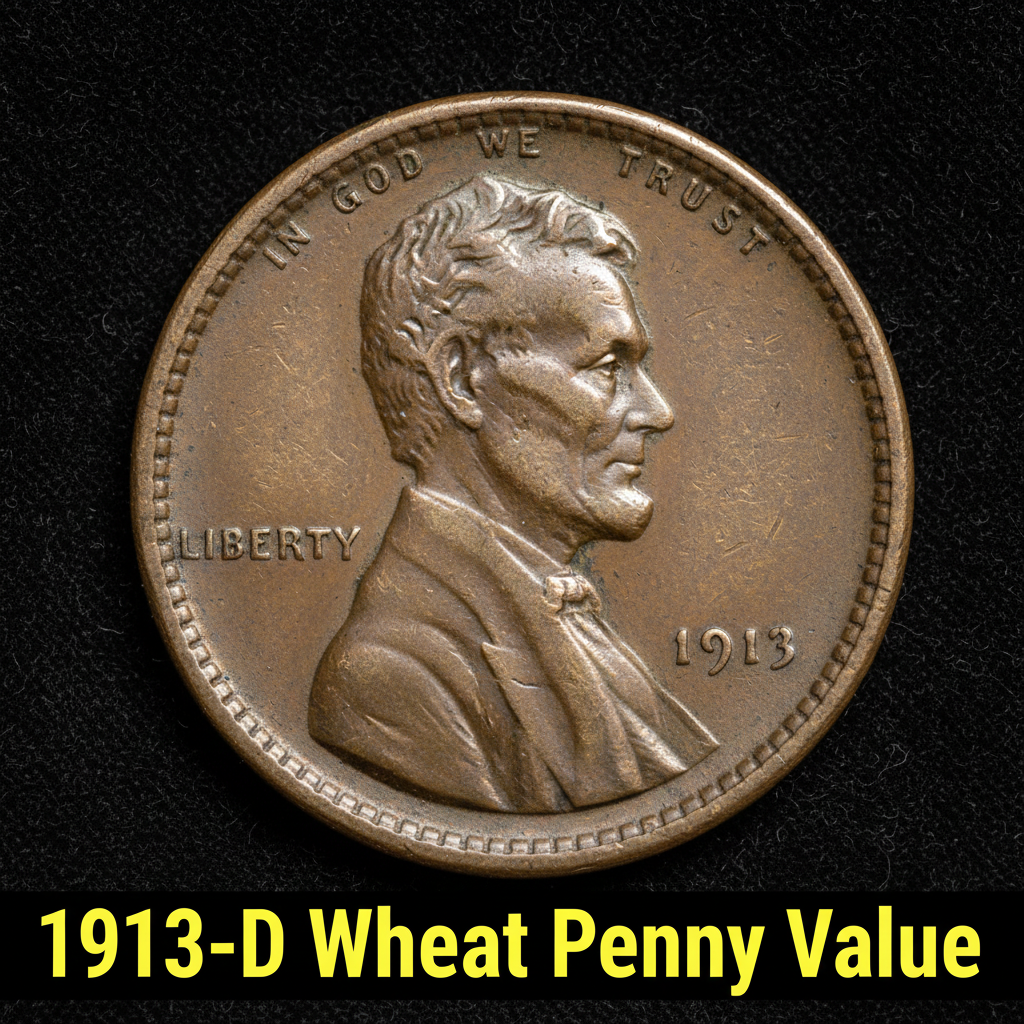
1913-D Wheat Penny Value and What Collectors Are Paying Today
The 1913-D Wheat Penny is worth anywhere from $0.50 in heavily worn condition to well over $100 in near-uncirculated grades — and in top mint state, it can fetch several hundred dollars. If you just found one in a jar of old coins, you’re in the right place to find out exactly what it’s worth.
Before diving into the details, it’s worth knowing that identifying your coin correctly is the first step. A good free coin identifier app can help you confirm the mint mark, date, and condition before you decide whether to sell, hold, or get it professionally graded.
—
What Makes the 1913-D Wheat Penny Special
The 1913-D Wheat Penny was struck at the Denver Mint, which is why it carries the small “D” mint mark on the reverse, just below the “ONE CENT” text. That year, the Denver Mint produced 15,804,000 Lincoln cents — a decent mintage, but not so large that the coins are common in nice condition today.
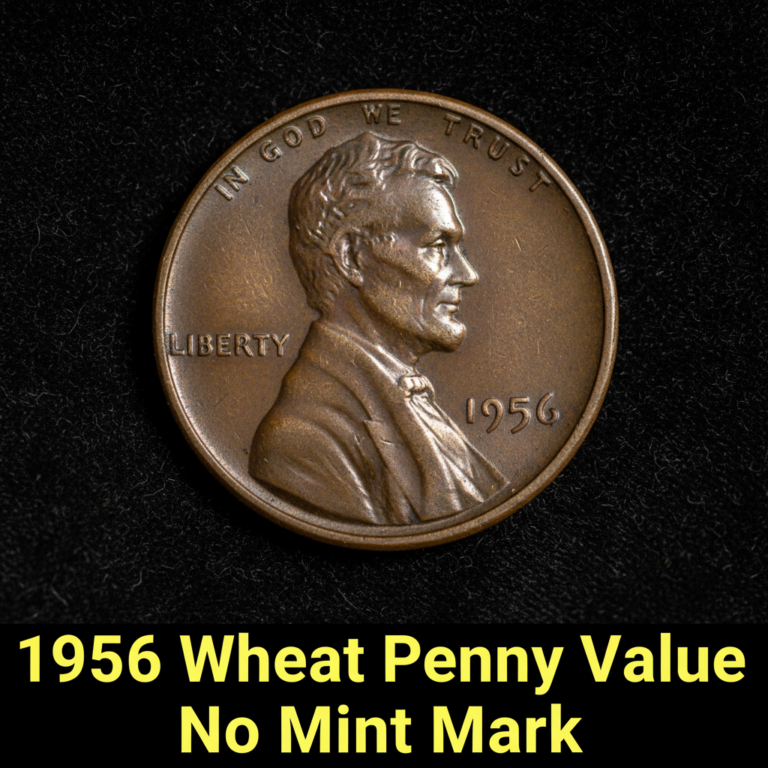
The Lincoln Wheat cent design, created by sculptor Victor David Brenner, was still relatively new at the time. The obverse shows a dignified portrait of Abraham Lincoln, while the reverse features two stalks of wheat framing the words “ONE CENT” and “UNITED STATES OF AMERICA.” These coins circulated heavily throughout both World Wars and the Great Depression, which is why truly well-preserved examples are harder to come by than the mintage numbers suggest.
The Denver Mint in this era was known for producing coins with slightly softer strikes compared to Philadelphia, which can affect how much detail survives on high-grade examples. For collectors, strike quality is just as important as wear, and that’s one reason some 1913-D cents command a premium over others even in similar grades.
—
1913-D Wheat Penny Value by Grade
Coin values are almost entirely determined by condition. Here’s a clear breakdown of what the 1913-D Wheat Penny is worth across different grades:
| Grade | Description | Estimated Value |
|---|---|---|
| Good (G-4) | Heavy wear, outline visible | $0.50 – $1.50 |
| Very Good (VG-8) | Major details clear, some wear | $2 – $4 |
| Fine (F-12) | Moderate wear, legends sharp | $5 – $9 |
| Very Fine (VF-20) | Light wear on high points | $10 – $18 |
| Extremely Fine (EF-40) | Slight wear, crisp details | $22 – $40 |
| About Uncirculated (AU-50) | Trace wear only | $50 – $75 |
| MS-63 (Red-Brown) | Mint state, minor blemishes | $100 – $175 |
| MS-65 Red | Gem uncirculated, full red color | $300 – $600+ |
For the most up-to-date auction data and certified coin prices, you can check the 1913-D Wheat Penny MS Red price records to see what these coins have actually sold for at auction in recent months.
—
How Condition Affects Your 1913-D Cent’s Worth
Condition is the single biggest factor in determining your 1913-D Wheat Penny’s value. A heavily circulated coin with a smooth, featureless surface might be worth less than a dollar, while a coin that looks almost new can be worth hundreds of times more.
When assessing your coin, look at Lincoln’s cheekbone and jawline — these high points wear first. Also check the wheat stalks on the reverse for sharpness. If the letters and date are clear but Lincoln’s portrait looks flat, you’re likely looking at a Fine or Very Fine example. If the coin still has some original reddish-orange copper luster, that dramatically increases the value.
Color designation also matters for uncirculated coins. Mint state Wheat Pennies are graded as Red (RD), Red-Brown (RB), or Brown (BN). Red coins retain 95% or more of their original copper color and are worth significantly more than brown examples of the same numeric grade.
CoinKnow is a handy app many collectors use to scan their old Lincoln cents and get an instant grade estimate and value range — great for quickly sorting through a large collection without spending money on professional grading for every coin.
—
Where to Sell or Get More Value Information
Once you know your coin’s approximate grade, the next step is deciding what to do with it. Lower-grade examples can easily be sold on eBay or at a local coin shop for a few dollars. Higher-grade coins — anything AU or better — are worth having professionally graded by PCGS or NGC, as a certified grade can dramatically increase buyer confidence and realized price.
For a full breakdown of 1913 Wheat Penny values across all mint marks and grades, including the Philadelphia and San Francisco issues for that year, there are dedicated resources that walk you through every variety. Comparing your Denver Mint coin against the other 1913 issues can help you understand whether the “D” mint mark adds or subtracts from its relative value.
CoinKnow also lets you track market trends over time, so you can make smarter decisions about when to sell and what price to expect.
—
FAQ
Q: How do I know if my penny is a 1913-D?
A: Look at the reverse side of the coin just below the “ONE CENT” text. If you see a small “D” mint mark there, it was struck at the Denver Mint. No mint mark means Philadelphia; an “S” means San Francisco.
Q: Is the 1913-D Wheat Penny rare?
A: It’s not considered rare in lower grades — over 15 million were made. However, finding one in nice uncirculated condition with original red color is genuinely difficult, and those examples are quite scarce and valuable.
Q: Should I clean my 1913-D Wheat Penny before selling it?
A: Absolutely not. Cleaning a coin removes its natural patina and almost always lowers its value significantly. Even a dirty, original-surface coin is worth more to a collector than a shiny, cleaned one. Leave it as-is and let a buyer or grader assess it in its natural state. CoinKnow can help you understand what your coin is worth without touching it.