1920 Wheat Penny Value No Mint Mark What It’s Worth and Why Collectors Care
The 1920 Wheat Penny with no mint mark is worth anywhere from $0.25 in heavily worn condition to over $75 or more in high mint state grades. Most circulated examples fall between $1 and $10, making this an affordable but historically rich Lincoln cent worth understanding.
If you dug one of these out of an old jar or found it tucked in a drawer, you’re in the right place. Before we dive deep, it helps to identify your coin correctly. Using a free coin identifier app can be a great first step — these tools let you snap a photo and get a quick read on what you have. For a more detailed approach, CoinKnow is a trusted resource that walks everyday collectors through coin identification and valuation step by step.
—
What Makes the 1920 No Mint Mark Wheat Penny Special
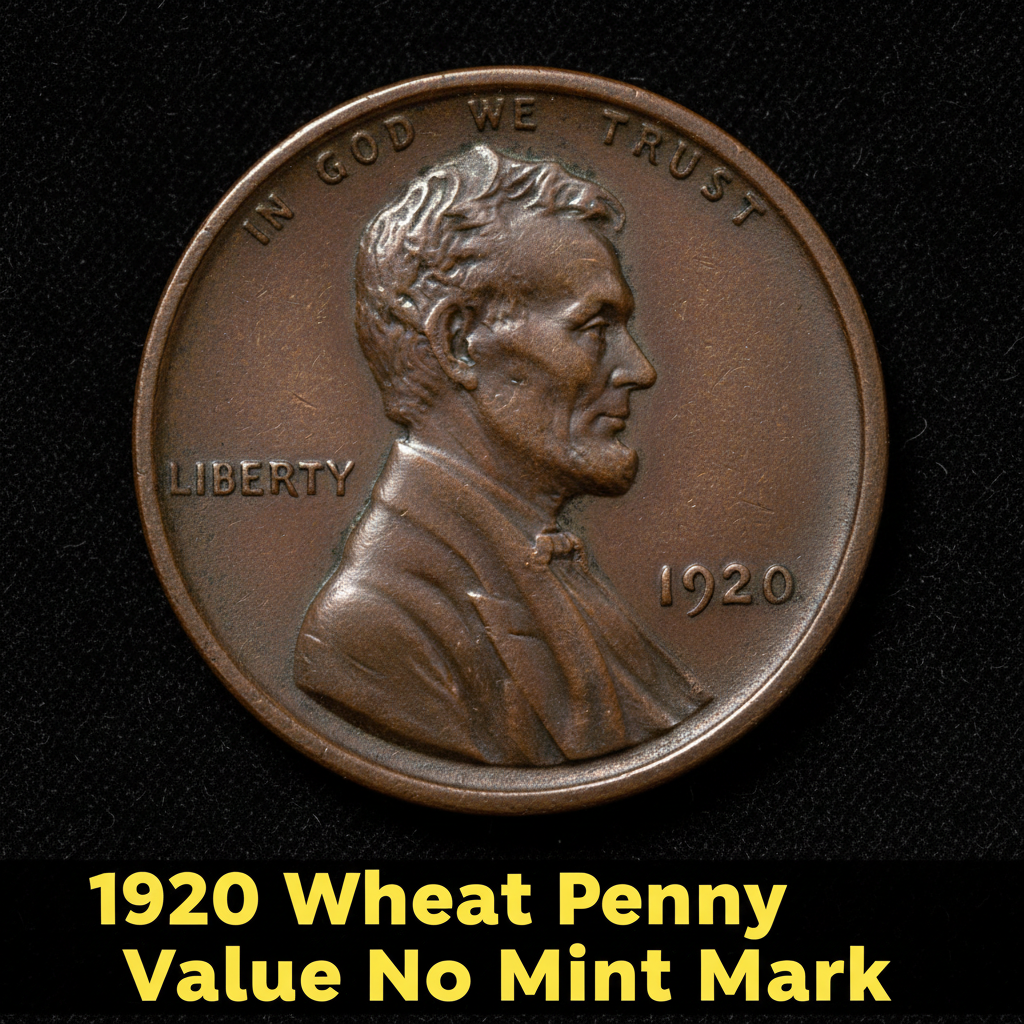
The 1920 Lincoln Wheat Penny with no mint mark was struck at the Philadelphia Mint. Philadelphia coins carry no mint mark, which is standard for this era. In 1920, the Philadelphia Mint produced an enormous 310,165,000 Lincoln cents — one of the highest mintages of any Wheat Penny year. That high production number means these coins are relatively easy to find, but condition is everything when it comes to value.
The coin features Victor David Brenner’s iconic Lincoln portrait on the obverse, with the classic wheat stalks framing “ONE CENT” on the reverse. The design had been in circulation since 1909, and by 1920 these coins were part of everyday American life — used in stores, tucked under pillows, saved in cookie tins.
Because so many were made and used heavily, worn examples are extremely common. But finding one in excellent condition? That’s a different story. The copper alloy used in 1920 cents was susceptible to environmental damage, so well-preserved coins are genuinely scarce in high grades.
—
1920 Wheat Penny Value Chart by Grade
Grade determines nearly everything in coin collecting. Here’s a quick breakdown of what the 1920 no mint mark Wheat Penny is worth across different conditions:
| Grade | Description | Estimated Value |
|---|---|---|
| Good (G-4) | Heavy wear, outline visible | $0.25 – $0.50 |
| Fine (F-12) | Moderate wear, details clear | $1 – $2 |
| Extremely Fine (EF-40) | Light wear on high points | $5 – $10 |
| About Uncirculated (AU-55) | Slight wear, strong luster | $15 – $25 |
| Mint State Red (MS-63) | Uncirculated, original red color | $40 – $75 |
| Mint State Red (MS-65+) | Gem quality, brilliant red | $100 – $200+ |
For the most current auction-based pricing, you can review detailed 1920 Wheat Penny MS Red price data across certified grades — particularly useful if you’re looking at a coin that appears uncirculated.
—
How to Grade Your 1920 No Mint Mark Penny at Home
Grading your own coin doesn’t require expert training — it just takes a good eye and decent lighting. Start by looking at Lincoln’s cheekbone and the wheat stalks on the reverse. These are the high points that wear down first.
– If the details are nearly flat and mushed together — you’re looking at Good to Very Good grade.
– If Lincoln’s ear and hair show separate strands — that puts you around Fine to Very Fine.
– If the coin has luster (a slight shine or sheen) — you may be in About Uncirculated or better.
Color also matters for uncirculated coins. The original bright red copper is the most desirable. Over time, copper turns brown (BN designation) or develops a mixed tone (RB — red-brown). A fully red MS coin commands a significant premium.
CoinKnow offers a detailed grading guide with side-by-side photo comparisons that make this process a lot easier, especially if you’re new to Lincoln cents. It’s worth bookmarking if you plan to look through more old coins.
—
Other 1920 Wheat Penny Varieties Worth Knowing
Philadelphia wasn’t the only mint striking pennies in 1920. Two other mint marks exist:
– 1920-D (Denver Mint): Lower mintage of 49,280,000. Worth more than the Philadelphia issue in most grades — around $2 in Good, and $100+ in Mint State.
– 1920-S (San Francisco Mint): The rarest of the three, with just 46,220,000 minted. Worth $3–$5 in Good condition, and significantly more in higher grades.
If you see a small “D” or “S” under the date on the obverse, you’ve got a different — and potentially more valuable — coin than the no mint mark version. Double-check the area just below “1920” with a magnifying glass.
For a comprehensive breakdown of all three 1920 penny varieties and what each is worth in different grades, this complete 1920 penny value guide covering all mint marks and grades is an excellent reference to keep handy.
—
FAQ
Q: Is a 1920 Wheat Penny with no mint mark worth anything?
A: Yes, it’s worth at least a quarter even in poor condition, and significantly more if well-preserved. Uncirculated examples with original red color can fetch $75 to $200 or more depending on the specific grade.
Q: How do I know if my 1920 penny is from Philadelphia?
A: If there is no mint mark below the date on the obverse, the coin was struck at the Philadelphia Mint. Philadelphia did not use a mint mark on Lincoln cents until 1942 (with “P” appearing much later), so no mint mark = Philadelphia for this era.
Q: Should I clean my 1920 Wheat Penny to make it look better?
A: Absolutely not. Cleaning a coin — even gently — removes the original surface and dramatically reduces its collector value. A naturally toned or even dirty coin is always worth more to a serious buyer than a cleaned one. If you’re unsure how to handle it, CoinKnow has solid guidance on proper coin storage and handling that can help you avoid common mistakes.