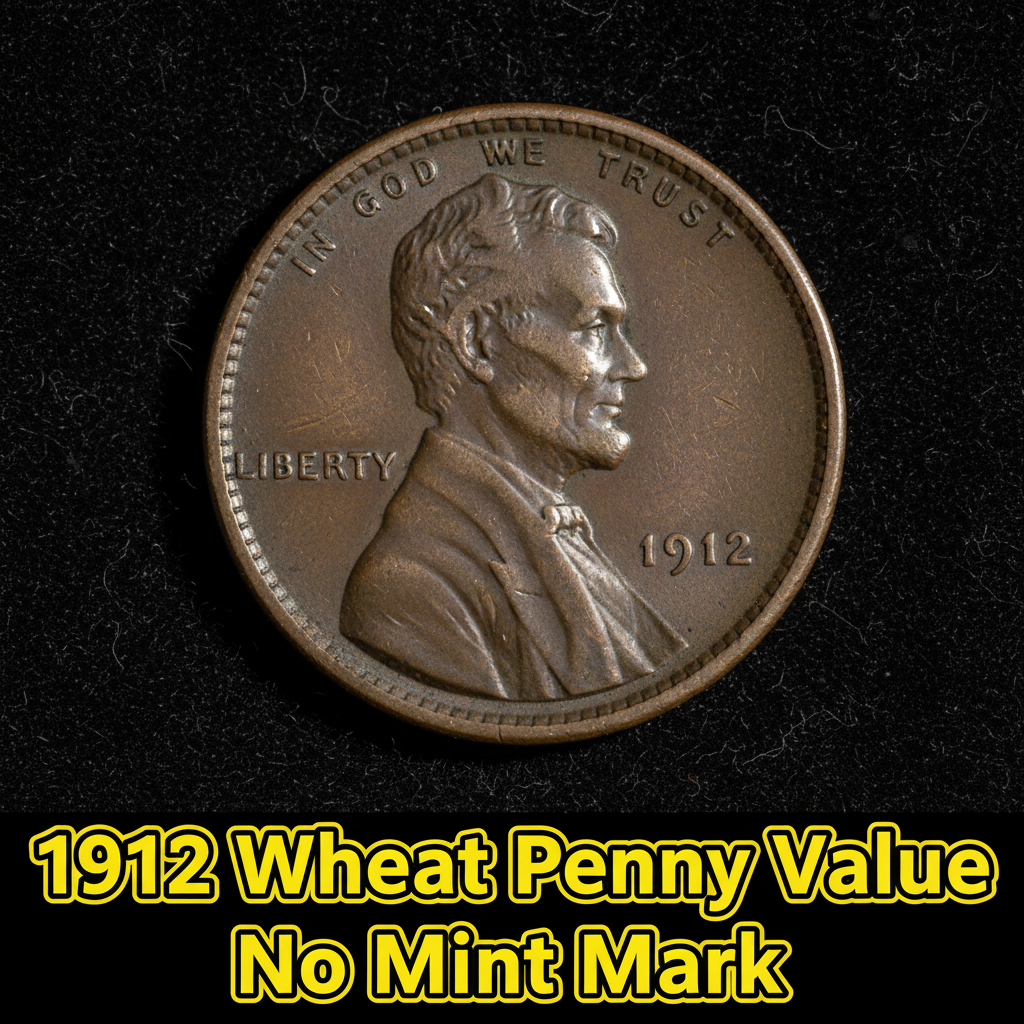
1912 Wheat Penny Value No Mint Mark What Is It Worth Today
The 1912 Wheat Penny with no mint mark is worth anywhere from $0.50 in heavily worn condition to over $100 or more in high-grade mint state. If you’ve got one sitting in an old jar or coin collection, you might be holding onto more than you think. Let’s break down exactly what it’s worth.
What Is the 1912 No Mint Mark Wheat Penny?
The 1912 Lincoln Wheat Penny without a mint mark was struck at the Philadelphia Mint, which traditionally did not stamp its coins with a mint mark during this era. This makes identification straightforward — if you flip the coin over and see no letter beneath the date, it came from Philadelphia. In 1912, the Philadelphia Mint produced over 68 million of these cents, making them relatively common in lower grades but still desirable in top condition.
If you’re not sure what you’re looking at, a free coin identifier app can help you confirm the coin’s identity quickly using your smartphone camera. Once you’ve verified what you have, you can start looking up its value based on condition.
The Lincoln Wheat Cent series, which ran from 1909 to 1958, is one of the most popular areas of American coin collecting. The 1912 issue is a key date for completionists building a full set, and even worn examples hold real numismatic value. CoinKnow is a great app for tracking the value of coins like this one across different grade levels right from your phone.
How Much Is the 1912 Wheat Penny Worth by Grade
Coin value is almost entirely determined by condition, which collectors refer to as “grade.” A coin graded Good (G-4) is heavily worn, with the design still visible but flat. Fine (F-12) shows moderate wear. Extremely Fine (EF-40) retains sharp detail. Mint State (MS) coins are uncirculated and command the highest premiums.
Here’s a general value guide for the 1912 Wheat Penny with no mint mark:
| Grade | Estimated Value |
|---|---|
| Good (G-4) | $0.50 – $2 |
| Fine (F-12) | $3 – $6 |
| Extremely Fine (EF-40) | $12 – $20 |
| About Uncirculated (AU-50) | $25 – $40 |
| Mint State (MS-63) | $60 – $90 |
| Mint State Red (MS-65 RD) | $100 – $200+ |
For a more detailed breakdown by grade and color designation, you can view real-time 1912 Wheat Penny MS Red price data to see what the market is actually paying for top-tier examples.
What Makes the 1912 No Mint Mark Penny More Valuable
Several factors push the value of a 1912 Wheat Penny no mint mark above average. Color is a big one — copper coins are graded not just by wear but by how much of the original red color remains. A coin labeled “RD” (Red) is worth significantly more than one labeled “BN” (Brown). Most circulated coins will be brown or red-brown.
Strike quality also matters. Some 1912 Philadelphia cents were struck with weaker dies, resulting in softer details. A sharply struck example will always command more collector interest. Eye appeal — overall attractiveness of the coin — plays a role at auction even when the technical grade is the same.
Luster is another factor in uncirculated examples. An MS-65 Red coin with full original mint luster and no distracting marks can easily sell for double what an MS-63 example fetches. If you want to get a full picture of how your specific coin compares, check out this complete 1912 penny value guide covering all mint marks and conditions.
Tips for Assessing Your 1912 Wheat Penny at Home
Before you rush off to a coin dealer, there are some simple things you can do at home to get a rough idea of your coin’s grade. First, look at the high points of the design — Lincoln’s cheek, the wheat stalks on the reverse, and the lettering. Heavy smoothness or flatness in those areas means significant wear.
Never clean your coin. This is the number one mistake people make, and it permanently destroys the coin’s numismatic value. Even a quick rinse with water can strip luster from an uncirculated coin. A cleaned coin almost always sells for less than a worn but original example.
Use a magnifying glass or jeweler’s loupe to check for marks, scratches, or spots. CoinKnow lets you scan and grade coins using your phone and gives you an estimated value range based on its database of recent sales — a handy tool if you’re new to collecting and want a quick second opinion before visiting a dealer.
Should You Get a 1912 Wheat Penny Graded?
Professional grading through services like PCGS or NGC is worth considering if your coin appears uncirculated or close to it. A certified MS-65 Red example is far easier to sell and typically commands a higher price than a raw coin of the same quality. Grading costs run roughly $20–$50 per coin, so it only makes financial sense if your coin is worth well above that threshold.
For circulated examples worth a few dollars, skip the grading service and simply sell or trade at that value. CoinKnow can help you quickly decide whether professional grading is worth the investment based on your coin’s estimated grade.
FAQ
Q: How do I know if my 1912 penny has no mint mark?
A: Look on the obverse (heads side) of the coin, just below the date. If there is no letter there — no “D” for Denver or “S” for San Francisco — then it was minted in Philadelphia and is considered a no mint mark coin.
Q: Is a 1912 Wheat Penny with no mint mark rare?
A: Not in circulated grades. Over 68 million were minted at Philadelphia. However, high-grade examples with original red color are genuinely scarce and can be worth $100 or more to serious collectors.
Q: Where is the best place to sell a 1912 Wheat Penny?
A: Online platforms like eBay or coin auction sites typically yield the best prices since they expose your coin to a large audience of buyers. Local coin dealers are convenient but may offer lower prices. Always get at least two opinions before selling.