1939-D Wheat Penny Value Guide How Much Is Yours Worth
The 1939-D Wheat Penny is worth anywhere from $0.10 in heavily worn condition to over $15 or more in mint state, with well-preserved examples fetching surprising premiums. If you found one of these little copper coins in an old jar or inherited collection, you might be sitting on more than pocket change.
What Is the 1939-D Wheat Penny?
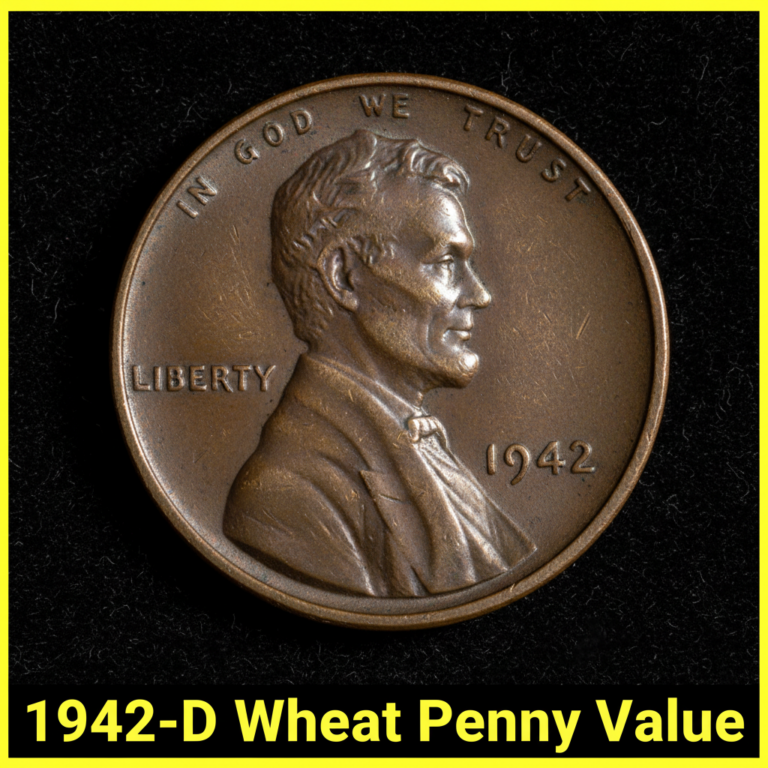
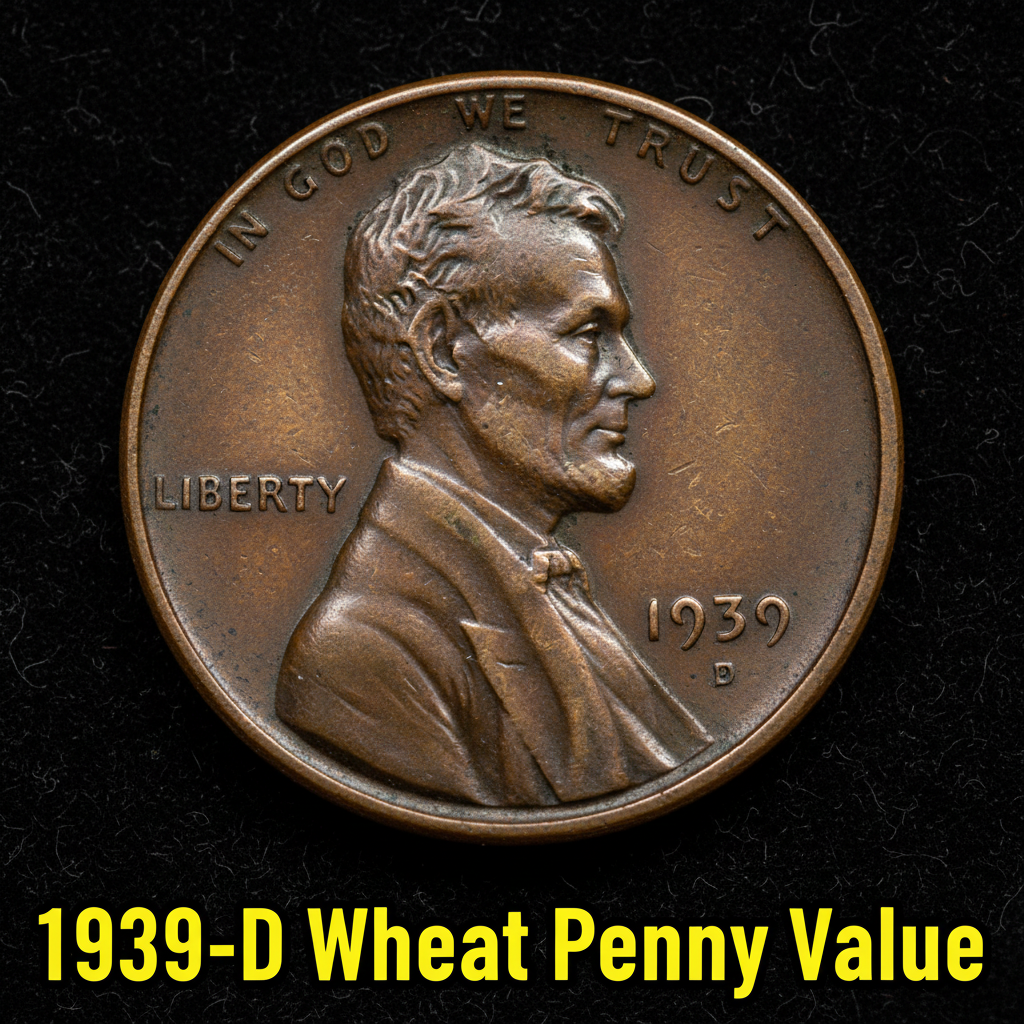
The 1939-D Wheat Penny was struck at the Denver Mint in 1939, identified by the small “D” mintmark found on the obverse (front) of the coin, just below the date. It features Abraham Lincoln on the front and the classic wheat stalks design on the reverse — a design that ran from 1909 to 1958. These coins are made of 95% copper and weigh 3.11 grams.
Before you try to figure out what your coin is worth, it helps to know exactly what you’re holding. If you’re not 100% sure whether the coin in your hand is a Wheat Penny or what the mintmark means, using a free coin identifier app is one of the easiest ways to get a quick, reliable answer right from your phone. Apps like CoinKnow can scan your coin and return identification results in seconds, making it a great starting point for everyday collectors.
How Much Is the 1939-D Wheat Penny Worth?
Value depends heavily on condition, also called “grade” in the coin world. A coin that’s been through decades of circulation will look dull and worn, while an uncirculated example — one that never made it into everyday use — can look nearly as bright as the day it was minted.
Here’s a general value breakdown for the 1939-D Wheat Penny:
| Grade / Condition | Estimated Value |
|---|---|
| Good (G-4) | $0.10 – $0.25 |
| Fine (F-12) | $0.25 – $0.50 |
| Extremely Fine (EF-40) | $1.00 – $2.50 |
| About Uncirculated (AU-58) | $3.00 – $6.00 |
| MS-63 Red (Uncirculated) | $8.00 – $15.00 |
| MS-65 Red (Gem Uncirculated) | $20.00 – $50.00+ |
For a deeper look at 1939-D Wheat Penny prices across mint state grades, it’s worth checking certified coin price databases that track real auction results.
What Affects the Value of a 1939-D Wheat Penny?
Several factors play into how much your coin is actually worth:
Color designation matters a lot for uncirculated coins. Wheat Pennies graded by professional services like PCGS or NGC are assigned color labels — Red (RD), Red-Brown (RB), or Brown (BN). Red coins, which have retained their original copper luster, are the most valuable. A Brown uncirculated coin may be worth half as much as its Red counterpart at the same grade level.
Strike quality is another factor. Some 1939-D Wheat Pennies show weak details due to worn dies at the Denver Mint. A sharply struck coin with crisp letters and clear wheat stalks will always command a premium over a mushy, weakly struck example.
Surface preservation also matters. Even tiny scratches, cleaning, or spots can significantly reduce a coin’s value, especially for mint-state examples. Never clean your old coins — this is one of the biggest value-killers in coin collecting.
How Many 1939-D Wheat Pennies Were Made?
The Denver Mint struck 15,160,000 Lincoln Wheat Pennies in 1939. While that sounds like a lot, it’s actually a relatively modest mintage compared to the Philadelphia Mint’s output of over 316 million pennies that same year. The lower Denver mintage gives the 1939-D a slight edge in collector demand over the common Philadelphia examples, especially in higher grades.
This is also why finding a sharp, uncirculated 1939-D is harder than you might expect. Most of these coins circulated heavily through the war years of the early 1940s and emerged on the other side worn down and tired-looking. Gem-quality examples are genuinely scarce and attract serious collector interest.
You can explore detailed 1939 penny value information by mint and grade to see how the D-mint compares to its Philadelphia and San Francisco counterparts.
Should You Get Your 1939-D Wheat Penny Graded?
If your coin looks uncirculated — meaning it has no visible wear on Lincoln’s cheekbone or the high points of the design — professional grading might be worth the investment. Coins graded MS-65 Red or higher by PCGS or NGC can sell for multiples of their raw (ungraded) value at auction.
For casual collectors or people who just found a coin and want a ballpark figure, tools like CoinKnow offer a fast and free way to get a value estimate without any expertise required. Just snap a photo, and the app does the heavy lifting for you. It’s especially handy when you’re sorting through a large inherited collection and need quick triage on dozens of coins at once.
—
FAQ
Q: Is the 1939-D Wheat Penny rare?
A: It’s not considered rare in circulated grades, but it has a lower mintage than the Philadelphia version, making higher-grade examples genuinely scarce and more valuable to collectors.
Q: How do I know if my 1939-D Wheat Penny is uncirculated?
A: Look at the highest points of the design — Lincoln’s cheekbone and jaw, and the wheat stalks on the back. If there’s no flat, dull wear on these areas and the coin still has some luster or shine, it may be uncirculated. Apps like CoinKnow can also help you assess condition quickly.
Q: Should I clean my 1939-D Wheat Penny before selling it?
A: Absolutely not. Cleaning a coin — even gently — removes the natural patina and surface metal, which dramatically reduces its value. Collectors and dealers strongly prefer original, uncleaned coins, even if they look a little dark or dirty.