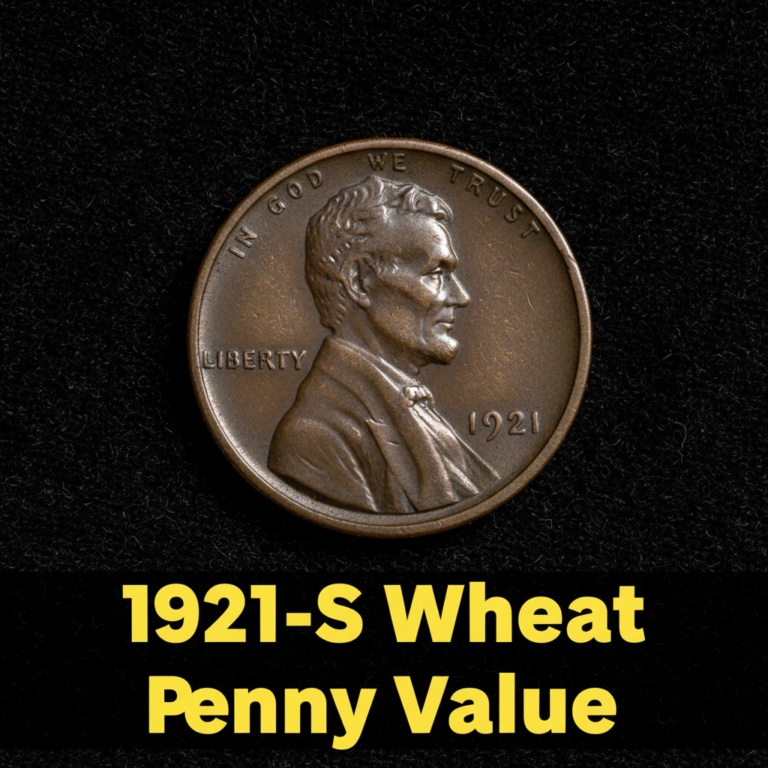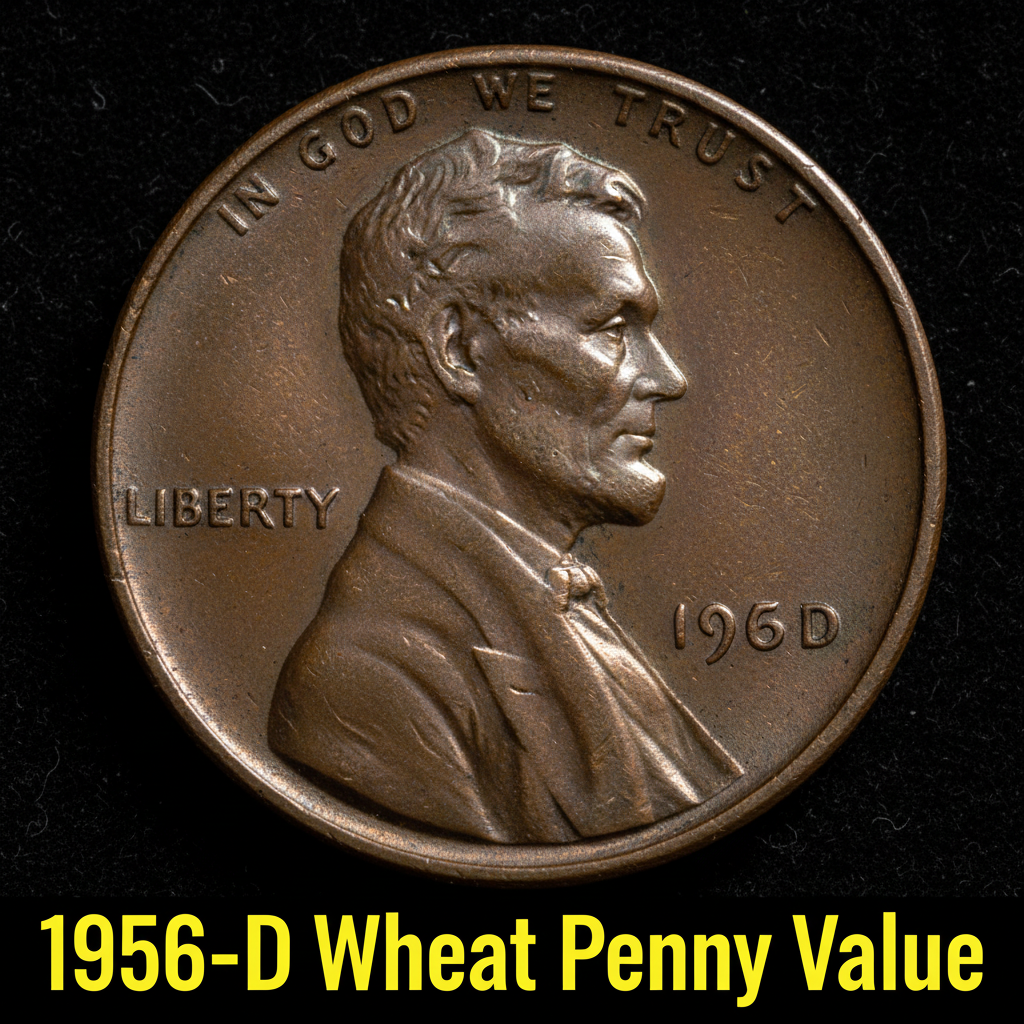
1956-D Wheat Penny Value Guide What It’s Worth and How to Sell It
The 1956-D Wheat Penny is worth anywhere from $0.10 in heavily worn condition to over $10 or more in uncirculated mint state, with top-grade examples occasionally fetching $25 and beyond at auction. If you recently found one in a coin jar, old drawer, or inherited collection, you’re in the right place to learn exactly what you have.
What Makes the 1956-D Wheat Penny Special
The 1956-D Wheat Penny was struck at the Denver Mint — that’s what the small “D” mintmark on the reverse means, located just below the “ONE CENT” text. Denver produced an enormous number of these coins that year: over 1.09 billion pieces, making it one of the highest-mintage Wheat Pennies ever made. Because of that high production volume, most circulated examples are common and modestly valued. However, uncirculated specimens — coins that never passed through everyday use — can still bring solid premiums from collectors who want them in pristine condition.
It’s also worth noting that 1956 was one of the final years the Lincoln Wheat Penny was produced. The design was retired in 1958 and replaced by the Lincoln Memorial reverse in 1959, which gives the 1956-D a small sentimental significance among collectors of the series. If you’re not sure exactly what coin you’re holding, a free coin identifier app can help you confirm the date, mintmark, and details in seconds — right from your phone.
1956-D Wheat Penny Value by Grade
The condition of your coin matters more than almost anything else when it comes to determining its value. Coin grading runs from “Poor” at the lowest end up through “Mint State” grades for uncirculated coins. Here’s a simple breakdown of what a 1956-D Wheat Penny is typically worth depending on its condition:
| Grade / Condition | Description | Estimated Value |
|---|---|---|
| Good (G-4) | Heavy wear, design visible but flat | $0.10 – $0.25 |
| Fine (F-12) | Moderate wear, some detail remains | $0.25 – $0.50 |
| Extremely Fine (EF-40) | Light wear on high points only | $0.75 – $1.50 |
| About Uncirculated (AU-55) | Slight traces of wear, nearly full luster | $2.00 – $4.00 |
| Mint State (MS-63) | Uncirculated, minor contact marks | $5.00 – $10.00 |
| Gem Mint State (MS-65+) | Outstanding eye appeal, nearly flawless | $15.00 – $30.00+ |
For the most up-to-date pricing based on recent auction results, you can check current 1956-D Wheat Penny market prices across mint state grades to see where your coin stands today. Prices do shift with collector demand, so live data is always more reliable than static price guides.
Errors and Varieties That Can Spike the Value
While the standard 1956-D Wheat Penny is common, certain error coins can be worth dramatically more. The most sought-after errors to look for include:
Doubled Die Obverse (DDO): Look closely at Lincoln’s eye, the date, or the lettering on the obverse. If you see a shadow-like doubling effect with the naked eye, you may have a doubled die error. These can sell for $50–$200 or more depending on how pronounced the doubling is.
Off-Center Strikes: If the design appears shifted so that part of the coin is blank, it was struck off-center. A 10–20% off-center error with a visible date can fetch $20–$75. The further off-center and the clearer the date, the higher the value.
Die Cracks and Cuds: Minor die cracks add a small premium, while a full die cud — a raised blob of metal at the coin’s rim — is more dramatic and commands better prices.
If you’re unsure whether your coin has an error, CoinKnow can help you identify varieties and flag potential mint mistakes just by scanning your coin with your phone’s camera. It’s one of the fastest ways to find out if your penny is ordinary or something special.
How to Get the Best Price for Your 1956-D Wheat Penny
Found a nice example and thinking about selling? Here are your best options depending on what grade your coin is in:
– Circulated coins in Good to Fine: Sell in bulk lots on eBay or at a local coin show. Individual sales aren’t usually worth the effort for coins under $1.
– Extremely Fine to AU examples: These attract individual buyers on eBay or through dealers. Expect to receive 60–70% of the retail value from a dealer.
– Uncirculated MS-63 and above: Consider getting your coin certified by PCGS or NGC before selling. A certified grade protects the buyer and often doubles what you’d get raw.
– Potential errors: Have the coin examined in person or use CoinKnow to get a preliminary read before deciding whether professional grading is worth it.
For a comprehensive look at 1956 penny pricing that covers both the Philadelphia and Denver issues, this detailed 1956 penny value breakdown covers grading, varieties, and current market trends in one place.
FAQ
Q: Is a 1956-D Wheat Penny rare?
A: No, the 1956-D Wheat Penny is not rare. With over a billion minted, it’s one of the most common Wheat Pennies in existence. That said, high-grade uncirculated examples and genuine error coins are much harder to find and can still be worth good money to collectors.
Q: How do I tell if my 1956 penny is from Denver or Philadelphia?
A: Look at the reverse side of the coin, just below the “ONE CENT” text. If you see a small “D,” it was made in Denver. If there’s no mintmark at all, it’s from the Philadelphia Mint. Both are common, though Denver struck far more coins that year. CoinKnow can confirm this for you instantly with a quick scan.
Q: Can a 1956-D Wheat Penny be worth $100 or more?
A: Yes, but only under very specific circumstances. A top-tier example graded MS-67 Red or higher by PCGS or NGC could reach three figures at auction. Similarly, a strong doubled die error or dramatic off-center strike can push values well past $100. For most coins found in everyday circulation, though, values stay well below $5.