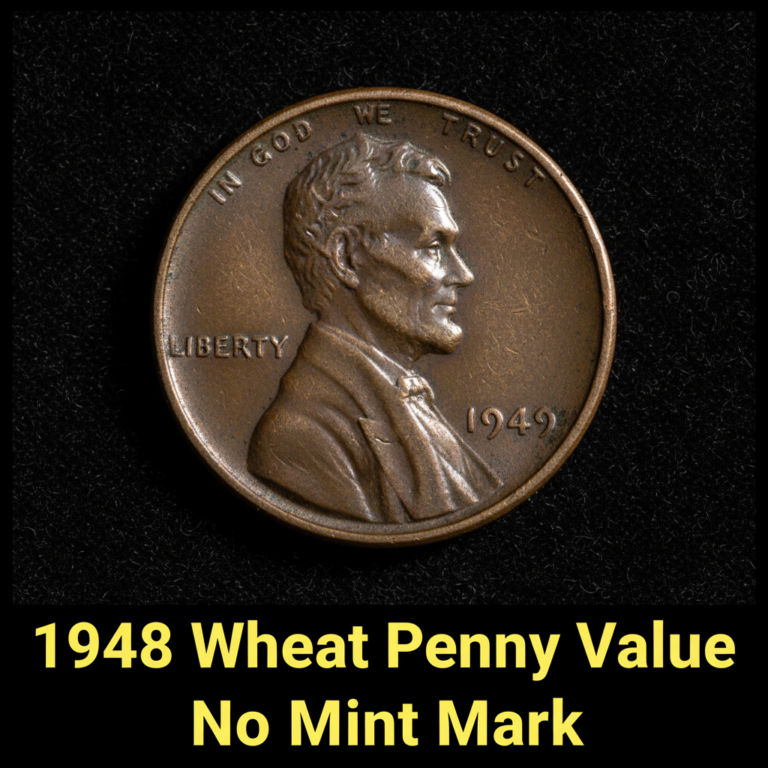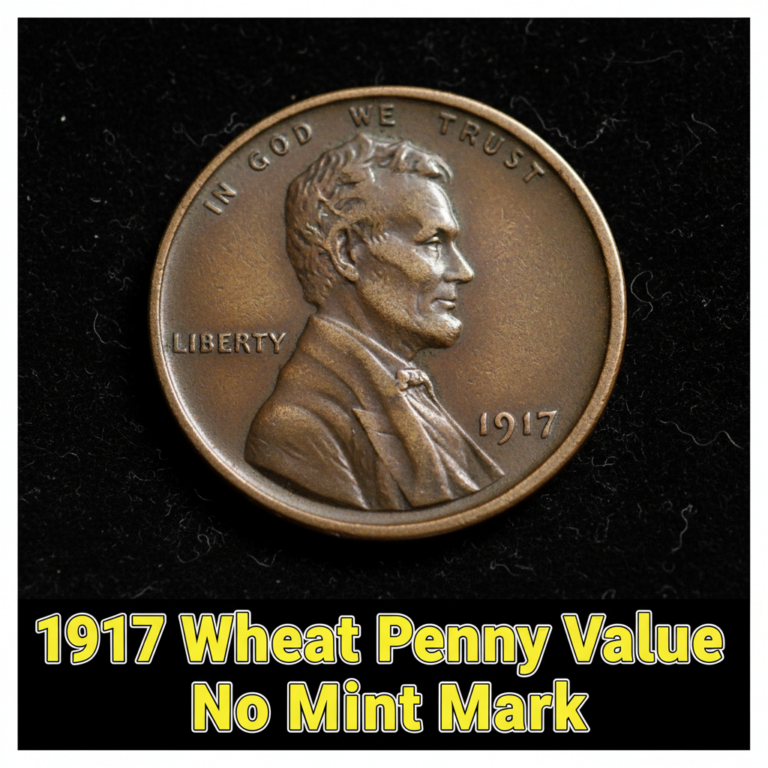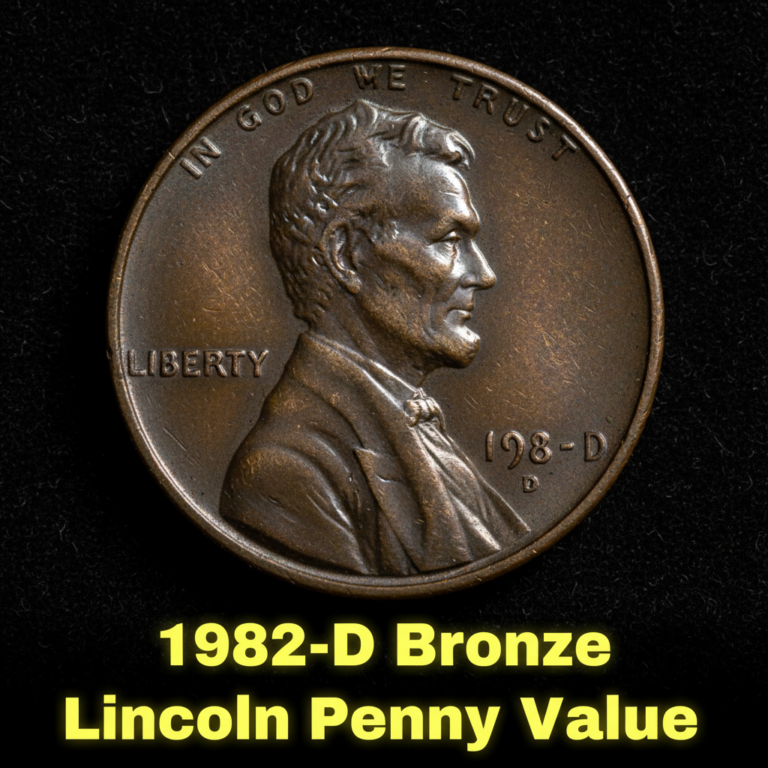
1968-D Lincoln Penny Value Guide How Much Is Your Denver Mint Cent Worth
The 1968-D Lincoln Penny is worth anywhere from a few cents in heavily worn condition to $15 or more in uncirculated grades — and high-end mint state examples can fetch $50 to $100 at auction. If you’ve got one of these coins sitting in a jar or found it in an old collection, you’re in the right place to find out exactly what it’s worth.
What Is the 1968-D Lincoln Penny?
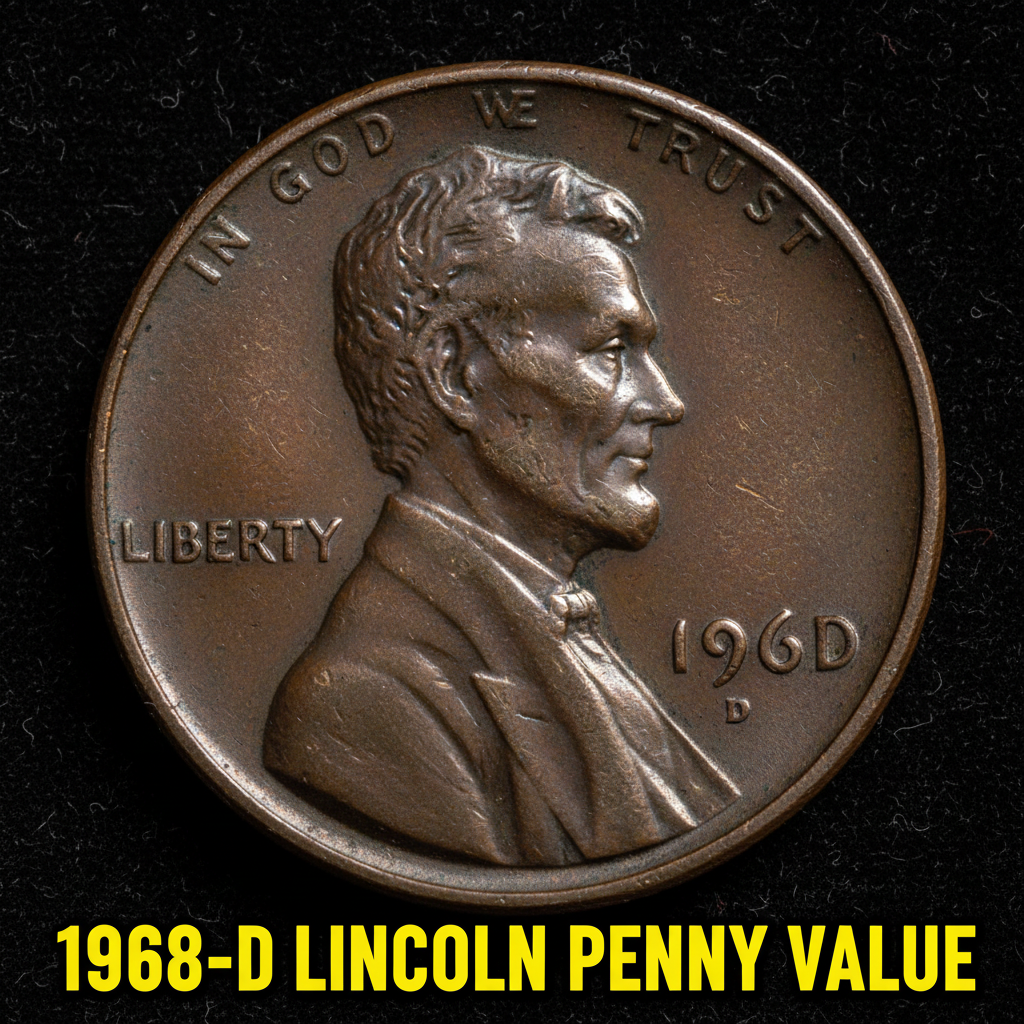
The “D” on your 1968 Lincoln cent stands for Denver, meaning this coin was struck at the Denver Mint. In 1968, the U.S. Mint was still producing pennies in large numbers to keep up with circulation demand, and the Denver facility struck over 2.8 billion of these coins that year. That’s a lot of pennies — which is part of why most circulated examples aren’t particularly rare.
The design features Abraham Lincoln on the obverse, as it has since 1909, and the Lincoln Memorial on the reverse, a design introduced in 1959. These coins are made from 95% copper and 5% zinc, giving them that classic warm reddish-brown appearance. If you want a quick, easy way to identify your coin and get an instant value estimate, a free coin identifier app can help you confirm what you’ve got before diving deeper into grading.
Understanding what mint mark you have and what condition your coin is in will make a huge difference in its value — so let’s break that down step by step.
How Condition Affects the 1968-D Lincoln Penny Value
Coin condition — or “grade” — is the single biggest factor in determining what your 1968-D Lincoln penny is worth. Collectors use a scale from Poor (P-1) to Perfect Mint State (MS-70) to evaluate coins. For an everyday worn penny pulled from your change, you’re likely looking at face value or just a cent or two above it. But step up to an uncirculated coin with original mint luster and the numbers change fast.
Here’s a general value breakdown based on grade:
| Grade | Condition Description | Estimated Value |
|---|---|---|
| Good (G-4) | Heavy wear, major features visible | $0.02 – $0.05 |
| Fine (F-12) | Moderate wear, clear lettering | $0.05 – $0.15 |
| Extremely Fine (EF-40) | Light wear on high points | $0.25 – $0.75 |
| MS-63 (Uncirculated) | No wear, some bag marks | $3 – $8 |
| MS-65 (Gem Uncirculated) | Strong luster, minimal marks | $12 – $25 |
| MS-67 and above | Near perfect, full red luster | $50 – $100+ |
For the most current auction data and certified values, you can check out up-to-date 1968-D Lincoln penny price data by grade to see exactly where your coin falls in today’s market.
Red, Brown, or Red-Brown — Color Matters Too
One thing many new collectors don’t realize is that copper coin values are also affected by color designation. The three categories are:
– Red (RD): The coin retains 95% or more of its original mint red color. Most valuable.
– Red-Brown (RB): Mixed coloring, between 5% and 95% red remaining.
– Brown (BN): The coin has toned to a mostly brown color. Least valuable.
A 1968-D penny graded MS-65 Red can be worth significantly more than the same coin graded MS-65 Brown. When you’re looking at prices online or in price guides, always check whether the listing specifies the color designation. For a full breakdown of how these designations affect what collectors are currently paying, the complete 1968 penny value guide including color and grade details is a great resource to bookmark.
Are Any 1968-D Pennies Rare or Valuable Errors?
Most 1968-D Lincoln cents are common, but error coins are a different story. A few varieties and errors have been documented that can dramatically increase a coin’s value:
– Doubled Die Obverse (DDO): Look for slight doubling on “LIBERTY,” the date, or Lincoln’s features. A confirmed DDO can push values well above $100.
– Off-Center Strikes: Coins that were struck off-center show part of the design missing. The more off-center, the more valuable — a 50% off-center coin might bring $50 or more.
– Die Cracks and Cuds: Large die cracks or raised die breaks (called “cuds”) are sought by error collectors and can add a premium depending on size and location.
If you suspect you have an error coin, CoinKnow is a fantastic tool for getting a second opinion. CoinKnow lets you scan your coin with your phone and compare it against a database of known varieties and errors — a huge time-saver when you’re not sure what you’ve found.
Should You Clean Your 1968-D Penny?
Short answer: no. Cleaning a coin — even gently — almost always reduces its value in the eyes of collectors. Cleaned coins show unnatural surfaces under magnification and are typically downgraded or labeled “details” by grading services. If your penny looks a little dirty or toned, that’s perfectly normal for a coin over 50 years old, and serious collectors often prefer original, untouched surfaces.
If you’re thinking about getting your best examples professionally graded by PCGS or NGC, make sure they’re stored safely in a coin flip or hard holder in the meantime. And if you’re just getting started in the hobby, CoinKnow can guide you through the process of evaluating, organizing, and tracking your collection — all from your smartphone.
FAQ
Q: How much is a 1968-D penny worth in average circulated condition?
A: Most circulated 1968-D Lincoln pennies are worth between $0.02 and $0.25 depending on wear. They were made in huge quantities, so heavily worn examples have little premium above face value.
Q: What makes a 1968-D penny worth more money?
A: The biggest value drivers are high uncirculated grades (MS-65 or better), full red color designation, and the presence of a documented error like a doubled die or off-center strike. A coin meeting all three criteria could be worth $50 to $100 or more.
Q: Is the 1968-D penny worth keeping?
A: If your coin is uncirculated with strong luster and original red color, absolutely keep it and consider getting it graded. If it’s a worn circulated coin, it’s still a piece of American history — and worth saving if you enjoy collecting!