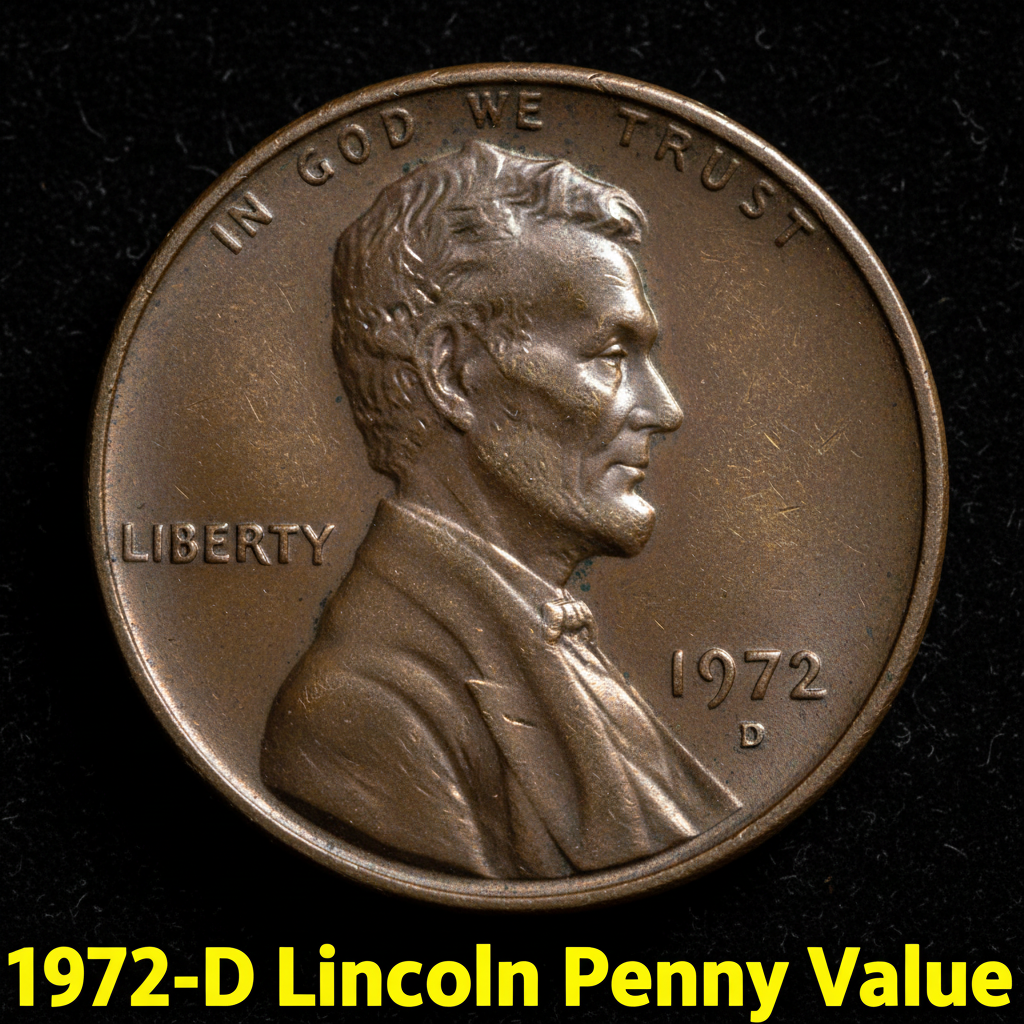
1972-D Lincoln Penny Value: What Your Denver Mint Coin Is Really Worth
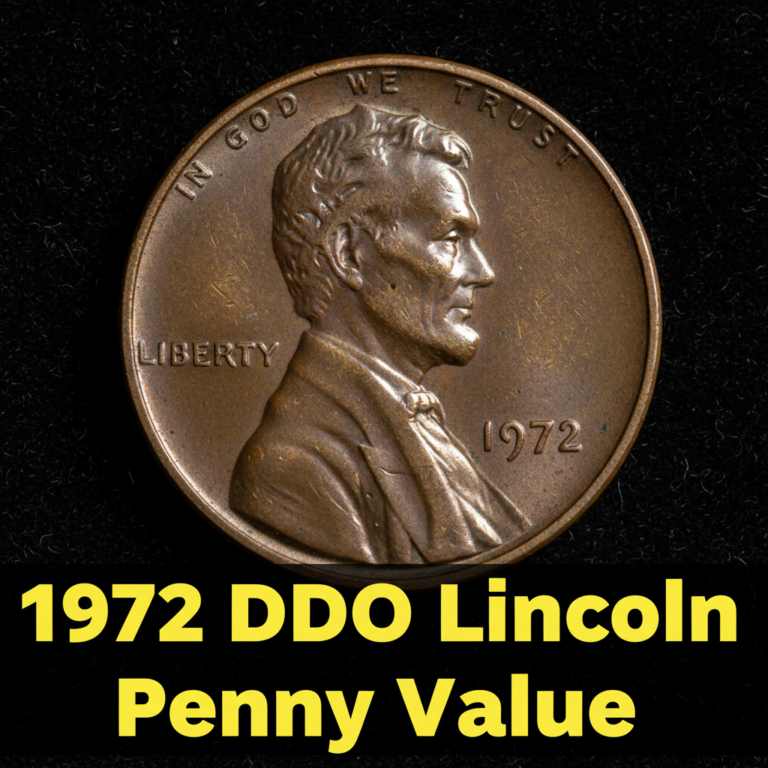
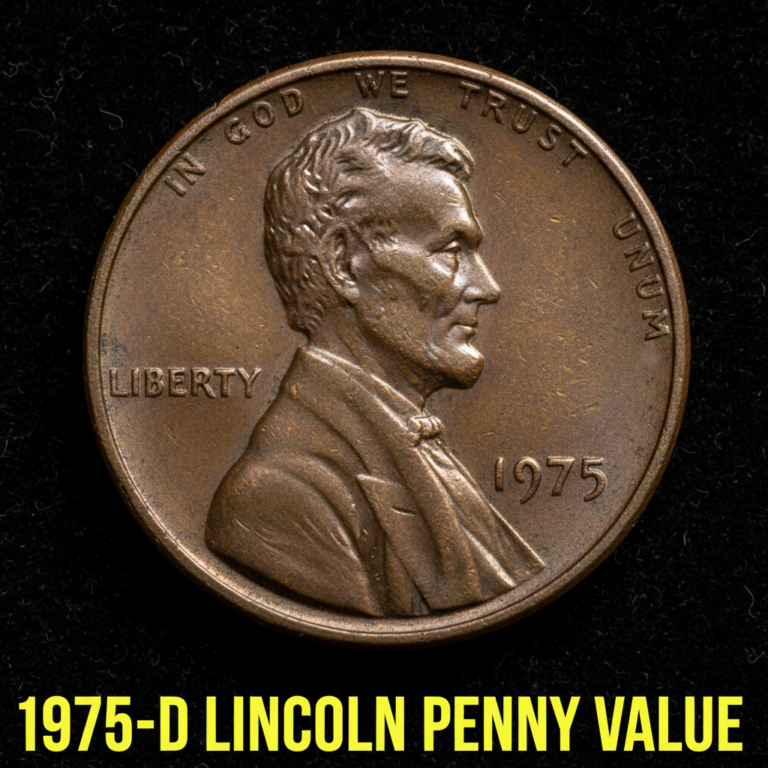
The 1972-D Lincoln Penny is worth anywhere from a few cents in heavily worn condition to around $12 or more in mint state grades, with top certified examples occasionally reaching $50 or higher. If you found one in your change or coin jar, you’re in the right place to find out exactly what it’s worth.
Most people don’t realize that not all Lincoln pennies are created equal. The “D” mintmark on your 1972 penny tells you it was struck at the Denver Mint, and that small detail can make a real difference in value. If you’re just getting started with coin collecting or you found an old penny and want a quick answer, using a free coin identifier app can help you confirm what you have before diving into the research. But once you know what you’re holding, this guide will walk you through everything you need to know about the 1972-D Lincoln penny’s value.
Background on the 1972-D Lincoln Penny
The 1972-D Lincoln penny was produced during a busy year for the U.S. Mint. The Denver facility struck an impressive 2,665,071,400 pennies that year — that’s over 2.6 billion coins. Because of that enormous mintage, most 1972-D pennies you’ll come across are common and not worth a lot of money in circulated condition. However, coins that never saw pocket change — especially those still in original mint condition — can carry a small but real premium for collectors.
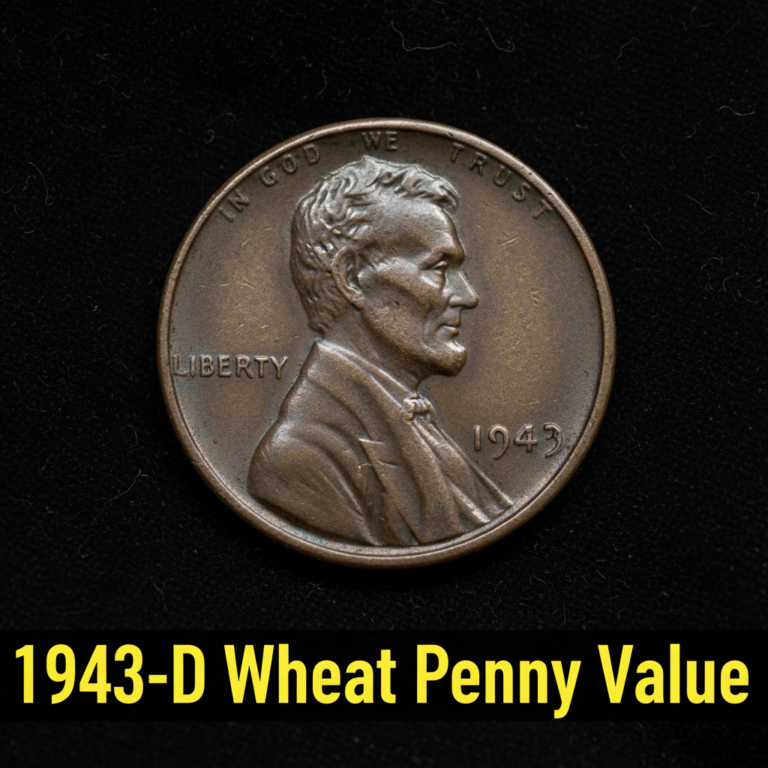
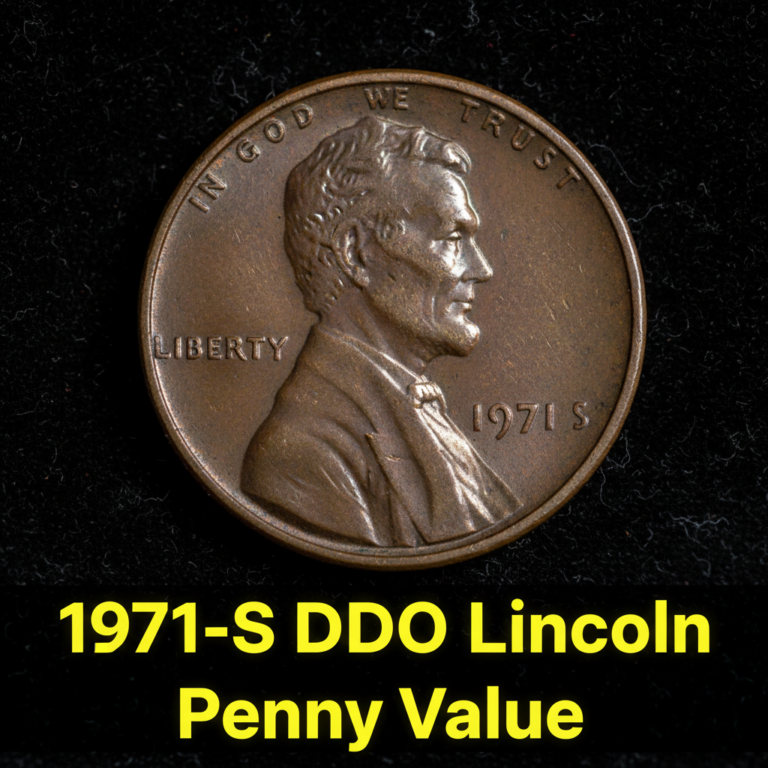
The coin features the classic Victor David Brenner portrait of Abraham Lincoln on the obverse, with the Lincoln Memorial reverse design that was standard from 1959 through 2008. It’s made of 95% copper and 5% zinc, giving it that warm reddish tone when in great shape. Understanding the coin’s composition matters because copper coins can develop spots or toning over time, which affects their grade and ultimately their market value.
How Much Is a 1972-D Penny Worth by Grade?
Condition is everything in coin collecting. A well-worn 1972-D Lincoln penny that’s been through decades of circulation is worth only face value or maybe a cent or two to a dealer. But as condition improves, so does the price. Here’s a breakdown of typical values across different grades:
| Grade | Condition Description | Estimated Value |
|---|---|---|
| Good (G-4) | Heavy wear, design visible | $0.01 – $0.05 |
| Fine (F-12) | Moderate wear, details clear | $0.05 – $0.15 |
| Extremely Fine (EF-40) | Light wear on high points | $0.25 – $0.75 |
| Mint State (MS-63) | Uncirculated, some marks | $2 – $6 |
| Mint State (MS-65 RD) | Gem uncirculated, full red | $8 – $15 |
| MS-67 RD | Superb gem, nearly perfect | $30 – $75+ |
For a closer look at certified auction results and current market pricing, you can check out detailed MS Red grade price data for the 1972 Lincoln penny to see how top-condition examples have performed at auction.
Errors and Varieties That Can Increase the 1972-D Penny Value
While the regular 1972-D Lincoln penny is common, error coins from this era can be surprisingly valuable. The most famous 1972 Lincoln penny error is the doubled die obverse — but that variety is associated with Philadelphia Mint coins, not Denver. Still, you should always examine your 1972-D penny carefully under magnification for any doubling in the lettering or date, die cracks, off-center strikes, or repunched mintmarks (RPM).
An off-center strike, where the design is noticeably shifted to one side, can easily be worth $10 to $50 depending on how dramatic the misalignment is. A strongly repunched mintmark (where the “D” was stamped more than once in slightly different positions) can add a few dollars to the coin’s appeal. If you suspect you have an error coin, CoinKnow is a great tool to scan your coin and compare it against known varieties — it can save you a lot of guesswork.
How to Get the Best Price for Your 1972-D Lincoln Penny
If you’re hoping to sell your 1972-D penny, the strategy depends heavily on what grade your coin is. For worn circulated examples, spending time and money on certification doesn’t make financial sense. You’re better off selling them in bulk as a lot to a local coin dealer or listing them inexpensively on eBay.
However, if you have a coin that looks gem uncirculated — bright red, no visible marks, great luster — it’s worth getting a professional opinion. Coins graded MS-65 RD or higher by PCGS or NGC can sell for multiples of raw (uncertified) coin prices. The certification cost typically runs $20–$30 per coin, so it only makes sense for coins that might genuinely grade high.
For everyday collectors and beginners trying to understand the full picture of what their coin might be worth, this detailed 1972 penny value breakdown covers both Philadelphia and Denver issues side by side, which is helpful for comparison. And if you want an even faster answer on the go, CoinKnow lets you snap a photo and get instant coin identification and value estimates right from your phone — no coin books required.
Should You Hold Onto Your 1972-D Lincoln Penny?
Honestly, for most people, the 1972-D Lincoln penny in average circulated condition is worth keeping only for sentimental reasons or as a starter piece for a date set collection. It’s not a rare coin by any stretch — the Denver Mint made billions of them. But that doesn’t mean you should just toss it back in your change jar without a second look.
Check the mintmark carefully. Look for any obvious errors under a magnifying glass. And if the coin looks bright, shiny, and untouched, it might be worth setting aside in a protective flip or 2×2 holder. In excellent condition, these coins can be a fun and affordable part of a Lincoln Memorial cent type set. Use CoinKnow to help you organize and track the coins you’re saving — it’s a surprisingly handy way to build a collection without needing to be an expert.
—
FAQ About the 1972-D Lincoln Penny
Q: Is the 1972-D penny rare?
A: No, the 1972-D Lincoln penny is one of the more common modern cents. Over 2.6 billion were minted in Denver that year, so most circulated examples are worth only face value. However, high-grade uncirculated examples and any legitimate error coins can carry real collector value.
Q: What does the “D” mintmark mean on a 1972 penny?
A: The “D” stands for Denver, indicating the coin was produced at the Denver Mint in Colorado. You’ll find the mintmark on the obverse of the coin, just below the date on the right side. Coins without a mintmark were made at the Philadelphia Mint, while “S” marked coins from 1972 were proof coins made at the San Francisco Mint.
Q: How can I tell if my 1972-D penny is worth getting graded?
A: Look at the coin in good lighting. If it has full original red color with no visible scratches, spots, or dullness, it may grade MS-65 or higher — and that’s when professional grading becomes worthwhile. If it looks worn or dull, it’s likely only worth a few cents. A quick scan with a coin identification tool like CoinKnow can give you a starting point before you decide whether to invest in professional certification.