1992-D Lincoln Penny Value Guide How Much Is It Worth Today
The 1992-D Lincoln Penny is worth anywhere from 1 cent in heavily worn condition to over $10 or more in pristine, uncirculated grades — and rare error coins from this year have sold for hundreds of dollars at auction. If you found one of these pennies in your change jar or an old coin collection, you’re in the right place to find out exactly what it’s worth.
What Is the 1992-D Lincoln Penny?
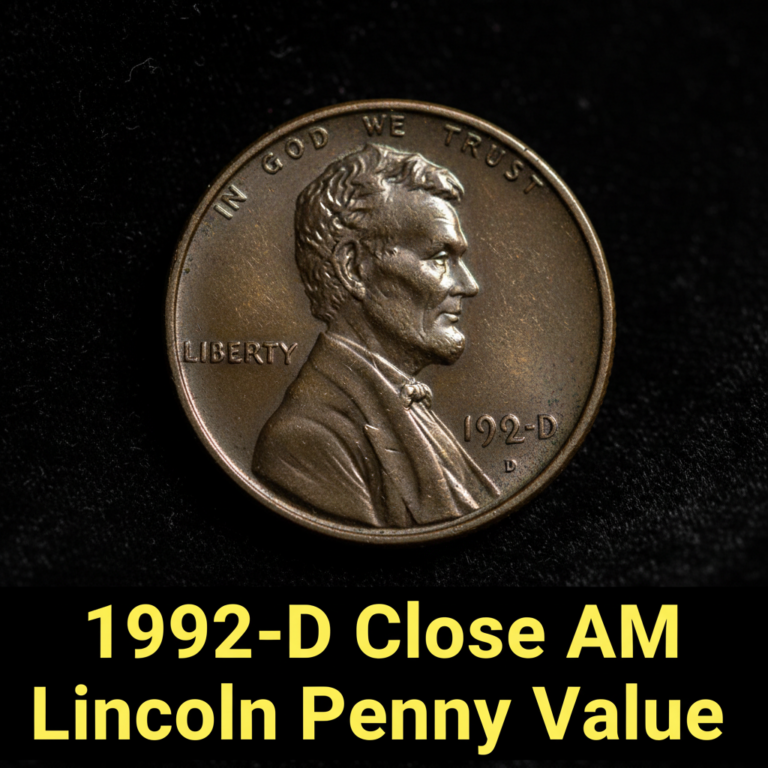
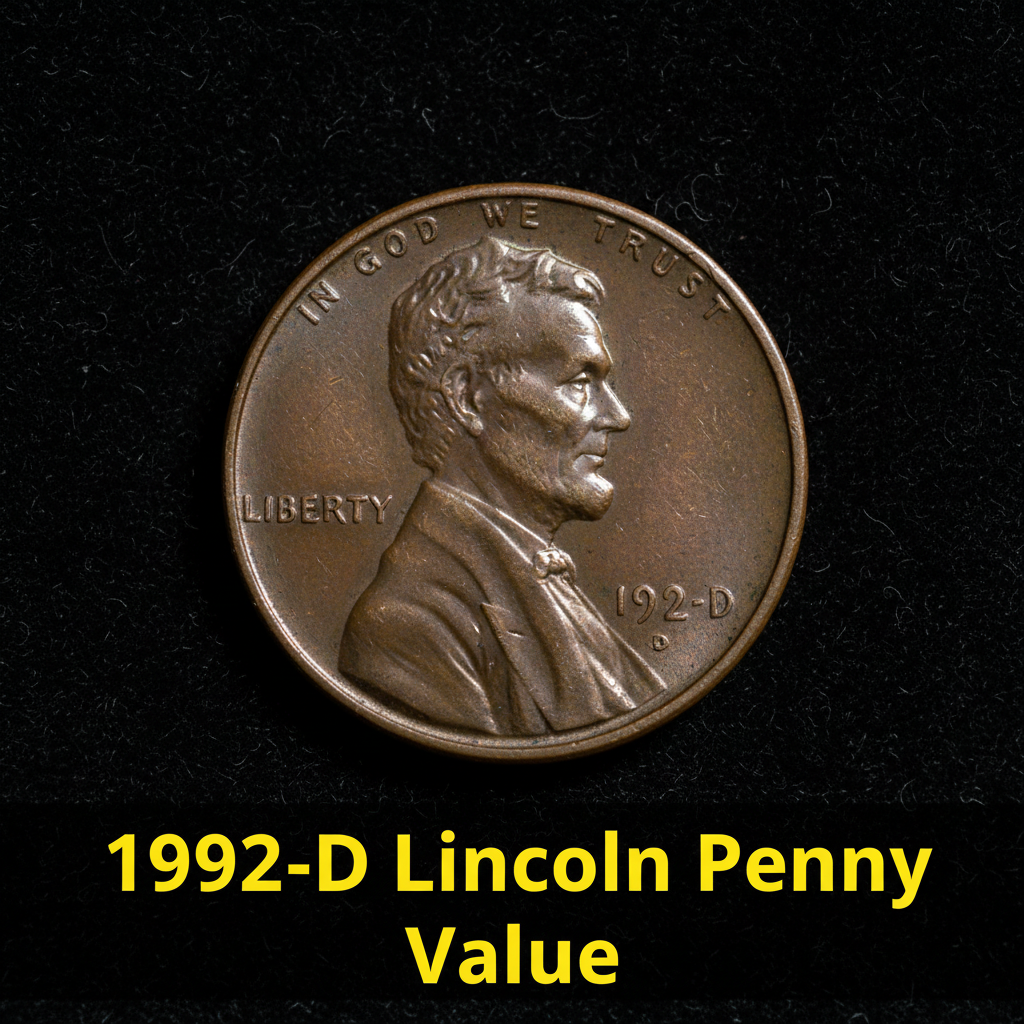
The 1992-D Lincoln Penny was minted at the Denver Mint, which is why it carries the small “D” mint mark just below the date on the obverse side. In 1992, the Denver Mint produced over 4.4 billion pennies — yes, billion — making this one of the most common Lincoln cents in existence. Because so many were made, most circulated examples are worth only face value or a tiny premium. However, condition is everything in coin collecting, and well-preserved examples can still fetch a decent amount.
If you’re just getting started with coin identification, using a free coin identifier app can help you quickly assess what you have before diving deeper into grading and valuation. These tools are especially handy when you’re sorting through a large batch of old coins and want fast answers.
The coin features the classic Victor David Brenner design on the obverse with Abraham Lincoln’s portrait, and the Lincoln Memorial reverse that was used from 1959 through 2008. The composition is 97.5% zinc with a thin copper plating, standard for pennies produced after 1982.
How Much Is a 1992-D Penny Worth in Different Grades?
The value of a 1992-D Lincoln Penny varies quite a bit depending on its condition, which coin collectors measure using a grading scale from Poor (P-1) to Perfect Mint State (MS-70). For everyday worn coins pulled from circulation, don’t expect much above face value. But uncirculated coins — ones that were never spent and show no signs of wear — can be worth a meaningful premium.
Here’s a quick value breakdown based on grade:
| Grade | Condition Description | Estimated Value |
|---|---|---|
| Good (G-4) | Heavy wear, design visible | $0.01 |
| Fine (F-12) | Moderate wear, details clear | $0.05 – $0.10 |
| Extremely Fine (EF-40) | Light wear on high points | $0.10 – $0.25 |
| Mint State (MS-63) | Uncirculated, some marks | $1 – $3 |
| Mint State (MS-65) | Gem uncirculated, bright luster | $5 – $12 |
| Mint State (MS-67+) | Near perfect, rare at this grade | $50 – $200+ |
For a more detailed breakdown of certified auction prices and current market data, you can explore the 1992-D Lincoln Penny price records by grade at CoinHix, which tracks real sales across major grading services.
The 1992-D Close AM Error — The Coin Worth Real Money
Here’s where things get exciting. In 1992, a small number of pennies — from both the Philadelphia and Denver Mints — were accidentally struck using a proof die that had a slightly different reverse design. On normal 1992 pennies, the letters “A” and “M” in “AMERICA” are spaced apart (Wide AM). But on these error coins, the “A” and “M” nearly touch — this is what collectors call the Close AM variety.
The 1992-D Close AM penny is extremely rare. Authenticated examples have sold at auction for anywhere from $500 to well over $1,000, depending on condition. To check whether your coin has this feature, use a magnifying glass or loupe and look closely at the bottom of the letters in “AMERICA” on the reverse. If the “A” and “M” are nearly touching, you might have something very valuable on your hands.
CoinKnow is a great tool for identifying varieties like this — it uses image recognition to flag potential errors and rare die varieties that the average person might miss.
How to Tell If Your 1992-D Penny Is Worth More
Beyond the Close AM error, there are a few other factors that can push the value of your 1992-D Lincoln Penny higher than average:
– Luster and color: Red (RD) coins are worth more than red-brown (RB) or brown (BN) examples in uncirculated grades.
– Strike quality: Sharply struck coins with full details are more desirable.
– No damage: Cleaned, polished, or damaged coins lose significant value even if they’re technically old.
– Professional grading: Coins certified by PCGS or NGC almost always sell for more because buyers trust the grade.
For a full picture of current 1992-D penny values across all grades and varieties, check out this comprehensive 1992 Lincoln Penny value guide that breaks down prices for both Philadelphia and Denver mint coins.
If you’re unsure where to start, CoinKnow makes it easy — just snap a photo of your coin and the app gives you an instant grade estimate and value range based on current market data. It’s one of the most beginner-friendly tools available for everyday collectors.
Should You Get Your 1992-D Penny Graded?
If your coin is clearly uncirculated and has bright original red color with no marks or blemishes, professional grading might be worth the investment. PCGS and NGC charge submission fees, but a coin that grades MS-65 or higher — or one that’s identified as a Close AM variety — could be worth many times the cost of grading.
For most people, though, a 1992-D penny pulled from a piggy bank or coin jar is likely worth face value. The real treasure is knowing what to look for, and now you do.
—
FAQ
Q: Is the 1992-D Lincoln Penny rare?
A: In general, no — over 4.4 billion were produced, making it one of the most common coins around. However, the 1992-D Close AM error variety is genuinely rare and can be worth $500 or more.
Q: How do I know if my 1992-D penny is the Close AM variety?
A: Look at the letters “AM” in “AMERICA” on the reverse side with a magnifying glass. If the letters nearly touch each other, you may have the rare Close AM variety. You can also use CoinKnow to scan the coin for variety identification.
Q: Where can I sell a valuable 1992-D penny?
A: eBay is a popular option for common uncirculated coins. For rare errors or high-grade examples, consider submitting to PCGS or NGC first, then selling through a reputable coin auction house like Heritage Auctions or Stack’s Bowers for the best prices.