1918 Buffalo Nickel Value No Mint Mark What It’s Really Worth
The 1918 Buffalo Nickel with no mint mark is worth anywhere from $2 to $5 in heavily worn condition, up to $150 or more in well-preserved circulated grades — and in mint state, certified examples can fetch hundreds or even thousands of dollars. If you found one of these old nickels in a jar or inherited it from a family member, you’re in the right place to find out exactly what you’ve got.
What Makes the 1918 Philadelphia Nickel Special
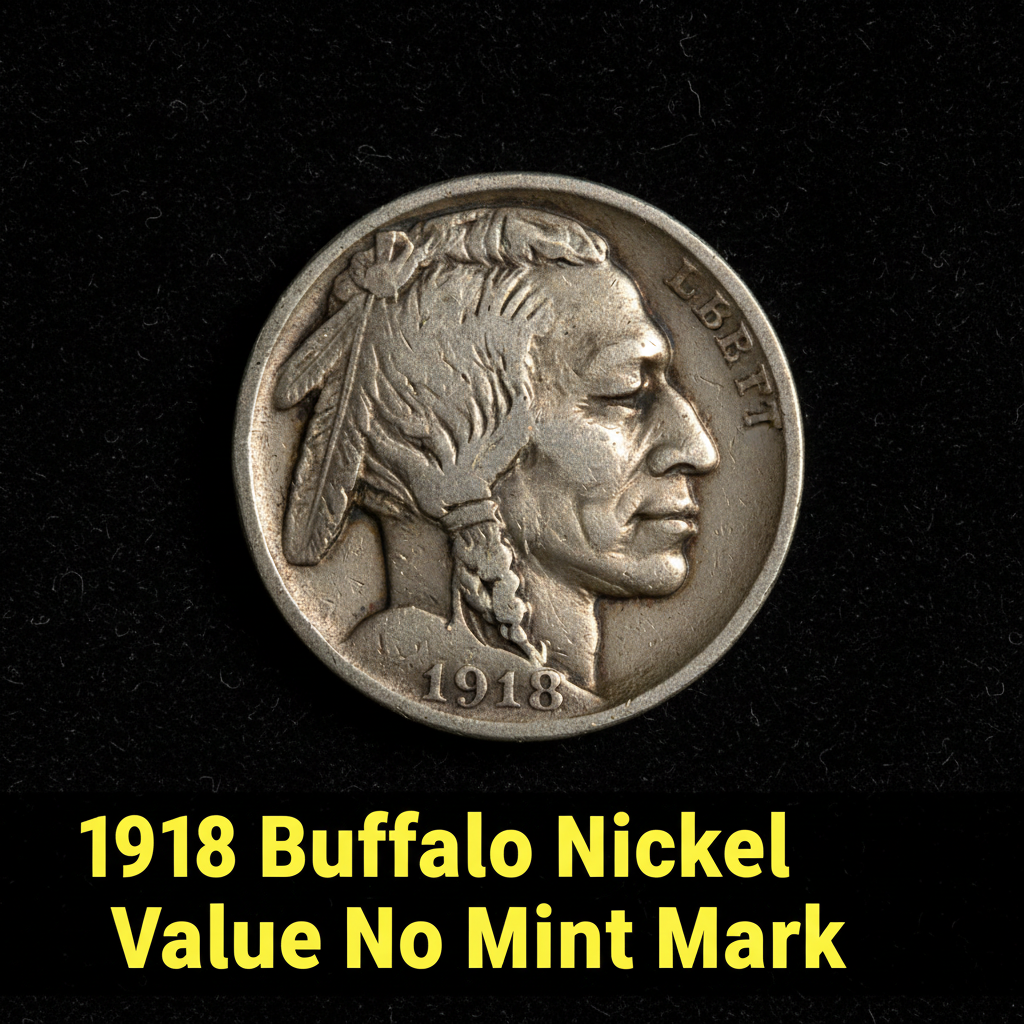
The 1918 Buffalo Nickel was struck at three mints: Philadelphia (no mint mark), Denver (D), and San Francisco (S). The Philadelphia issue — the one with no mint mark — had the highest mintage of the three, with over 32 million coins produced. While that makes it less rare than its Denver or San Francisco counterparts, it’s still a coin that’s nearly 107 years old, and condition plays a massive role in its value.
If you’re not sure whether your coin even is a Buffalo Nickel, a free coin identifier app can help you confirm the design, date, and mint mark in seconds using your phone’s camera. This is a great first step before diving deeper into grading and pricing.
The design, created by sculptor James Earle Fraser, features a strong Native American profile on the obverse and an American bison (Buffalo Bill’s own buffalo, “Black Diamond”) on the reverse. These coins were made from 75% copper and 25% nickel, and they’re beloved by collectors for their bold, rustic Americana feel.
Understanding the Grade and How It Affects Value
Grading is the single biggest factor in what your 1918 Buffalo Nickel is worth. A coin that has been in circulation for decades will show significant wear — flattened horn on the buffalo, loss of facial detail on the Native American portrait, and faded lettering. Here’s a general breakdown:
| Grade | Description | Estimated Value |
|---|---|---|
| Good (G-4) | Heavy wear, date visible, design outline clear | $2 – $5 |
| Very Good (VG-8) | Moderate wear, some detail remains | $6 – $12 |
| Fine (F-12) | Light to moderate wear, most features visible | $13 – $25 |
| Very Fine (VF-20/30) | Light wear on high points only | $28 – $60 |
| Extremely Fine (EF-40) | Slight wear on highest points, sharp detail | $65 – $120 |
| About Uncirculated (AU-50) | Trace wear, most luster intact | $130 – $175 |
| Mint State (MS-60 to MS-65+) | No wear, original luster, varying surface quality | $200 – $2,000+ |
For up-to-date pricing data across all grades, you can check the latest 1918 Buffalo Nickel MS grade price chart to see where certified coins are trading today.
How to Check Your Coin Without a Professional
You don’t need to rush to a coin dealer to get a rough sense of your coin’s grade. Start by examining the buffalo’s horn — if it’s completely flat and you can barely make it out, you’re likely looking at a Good or Very Good grade. If the horn tip is clearly defined and the bison’s eye is sharp, you might have a Fine or better example.
Look at the Native American’s cheekbones and hair detail too. Higher-grade coins will show individual hair strands and a three-dimensional facial profile.
CoinKnow is a popular app that walks everyday people through exactly this kind of grading process using AI-powered image recognition. It’s especially helpful if you’re new to coin collecting and don’t know where to start. Many users have discovered that coins they thought were only worth face value were actually worth significantly more after using CoinKnow to get a proper assessment.
What Collectors Are Actually Paying in 2024
The collector market for Buffalo Nickels remains strong. These coins have nostalgic appeal, historical significance, and a design that even non-collectors appreciate. The 1918 no mint mark issue, while not the rarest in the series, is consistently in demand because it’s available enough that beginners can find one, but old enough that quality examples are becoming harder to locate.
Auction results show that high-grade 1918 Philadelphia nickels — particularly those certified by PCGS or NGC at MS-64 or MS-65 — regularly sell for $500 to $1,500 or more. A full strike with original luster can push past that in competitive bidding.
If you want a comprehensive breakdown of what the 1918 Buffalo Nickel is worth across every grade and mint mark, that resource gives you a thorough side-by-side comparison that’s easy to follow even if you’re brand new to coins.
You can also use CoinKnow to scan auction records and recent sales to see what similar coins have sold for — it pulls real market data rather than giving you outdated book prices.
FAQ
Q: How do I know if my 1918 nickel is the Philadelphia version with no mint mark?
A: Flip the coin over to the reverse side. Look just below the words “FIVE CENTS” at the bottom of the coin. If there’s no letter there, it was made in Philadelphia. A “D” means Denver, and an “S” means San Francisco. The Philadelphia Mint never added a mint mark to Buffalo Nickels.
Q: Is a worn 1918 Buffalo Nickel still worth keeping?
A: Absolutely. Even a heavily worn example is worth a few dollars just for its silver-age collectability and historical interest — plus Buffalo Nickels are popular with casual collectors and are easy to sell or trade. If you have a nicer example in Fine or better condition, the value increases meaningfully.
Q: Should I clean my 1918 Buffalo Nickel before getting it appraised?
A: No — please don’t. Cleaning a coin, even gently, removes the original surface patina and almost always lowers its collector value. Experienced dealers and graders can spot a cleaned coin immediately, and it will be marked down significantly. Leave it exactly as you found it.