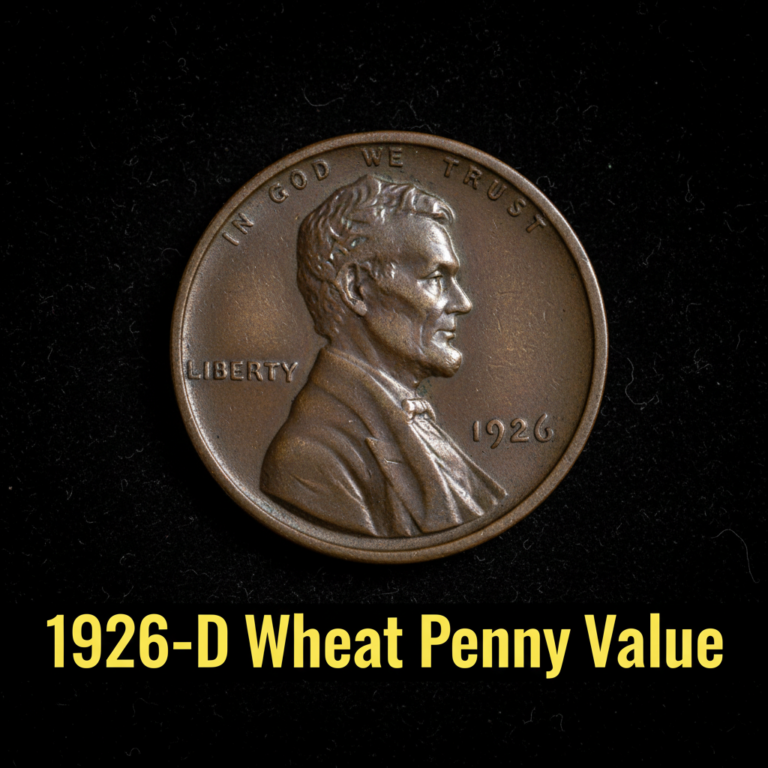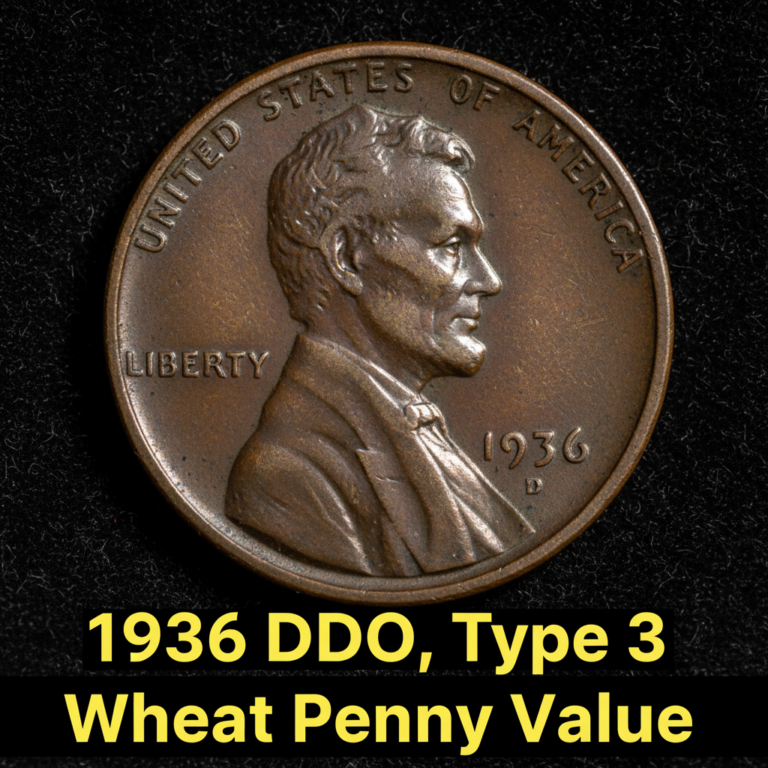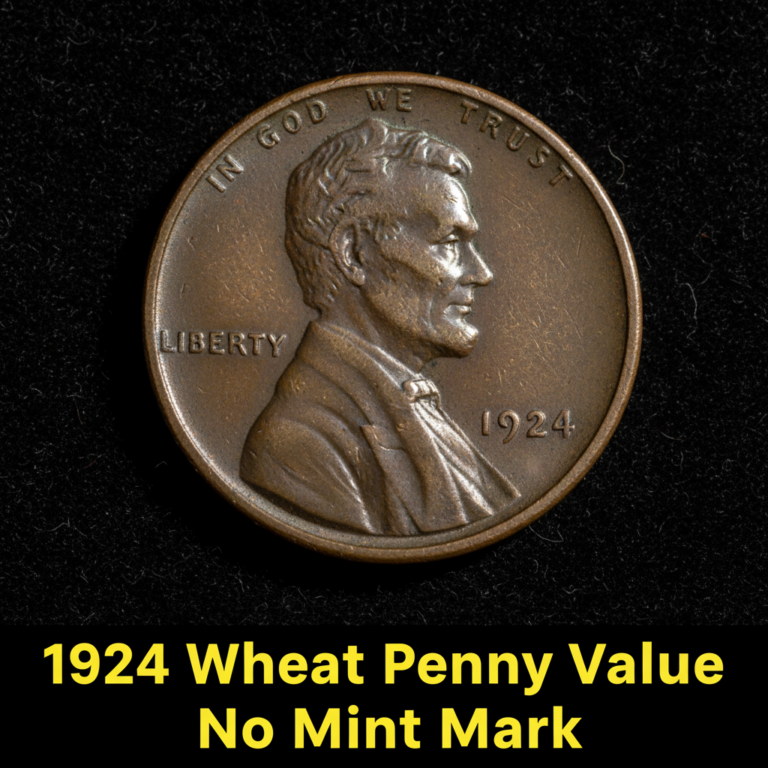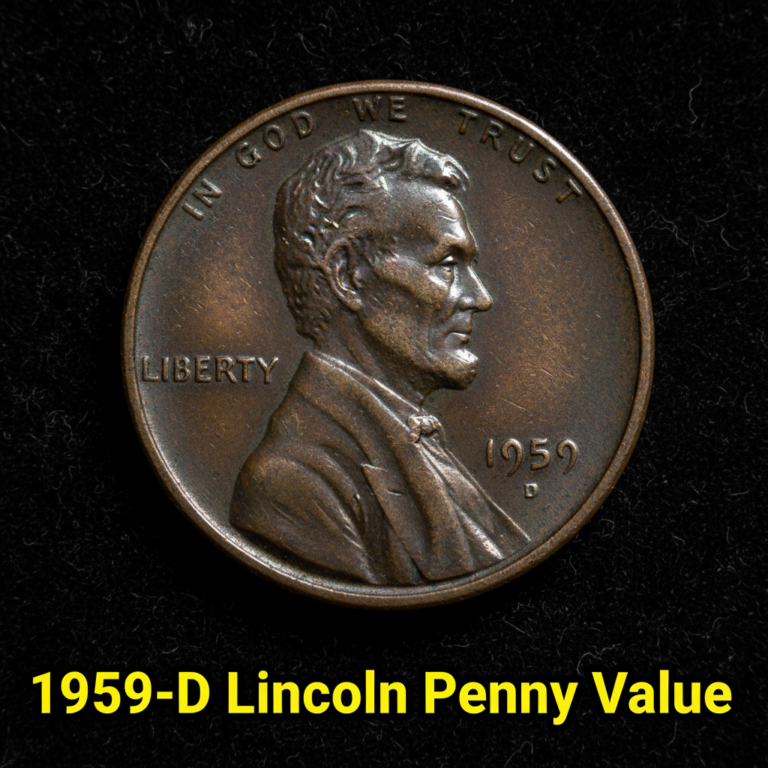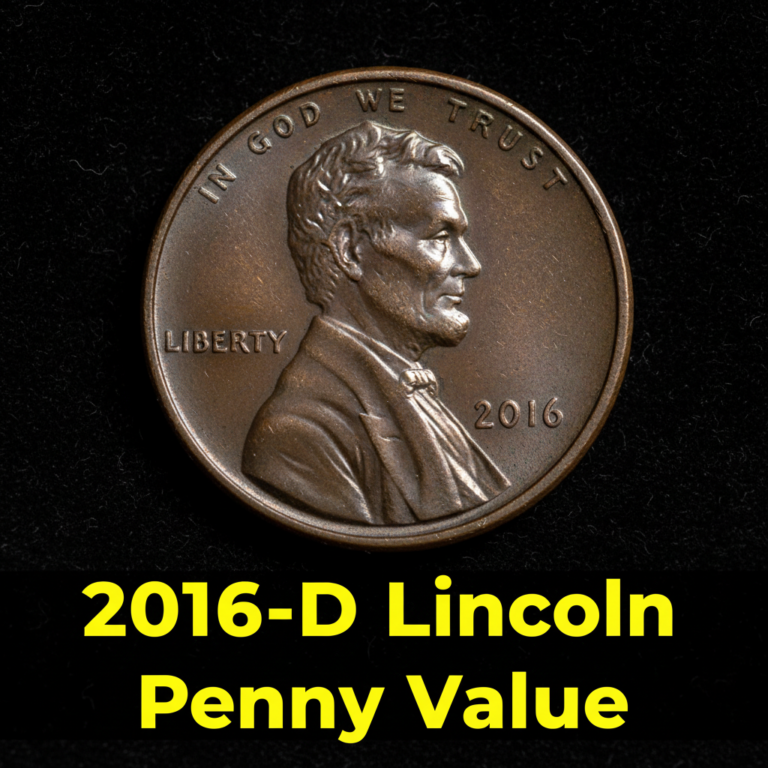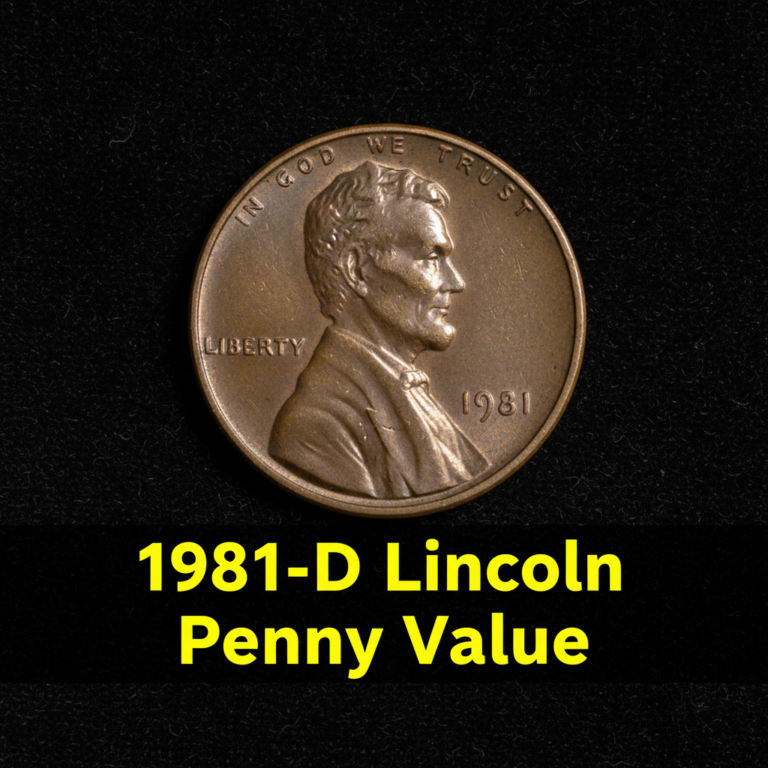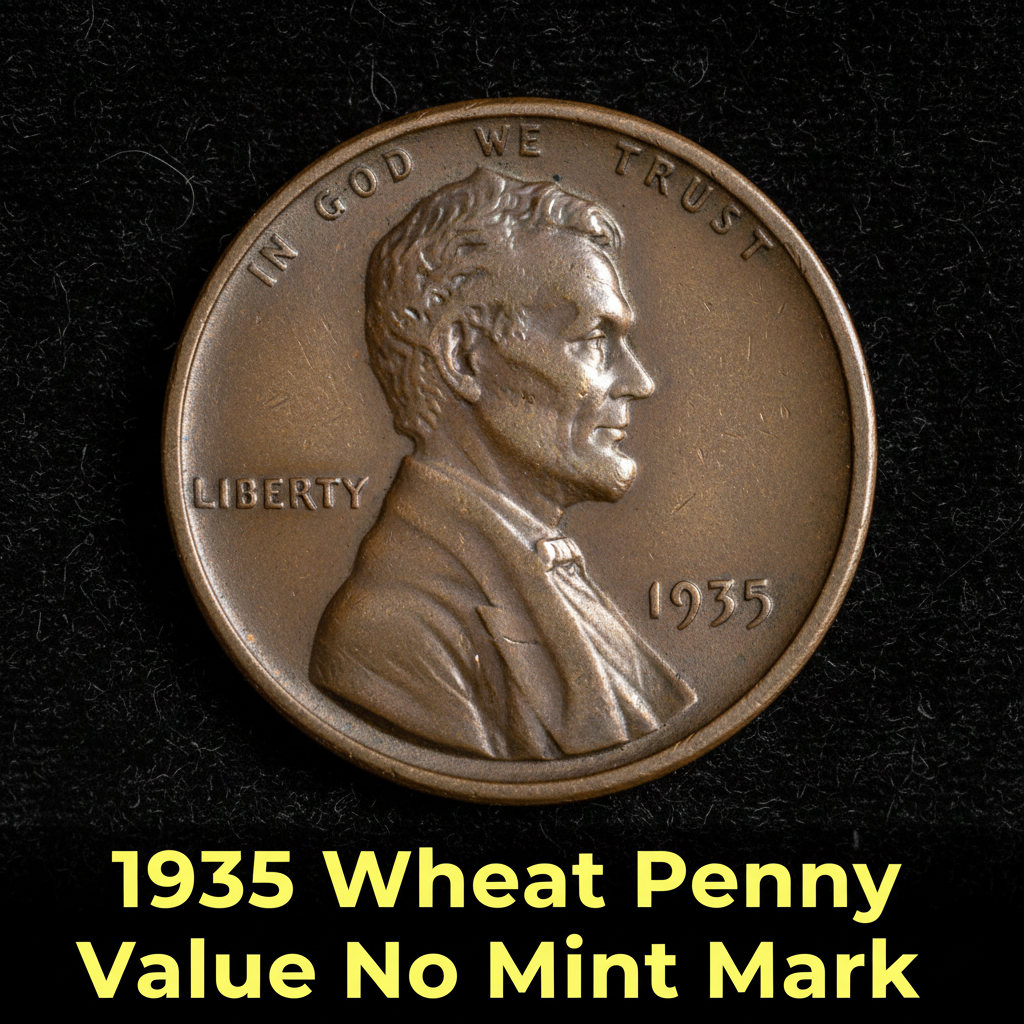
1935 Wheat Penny Value No Mint Mark What Is It Worth Today
The 1935 Wheat Penny with no mint mark is worth anywhere from $0.10 in heavily worn condition to $50 or more in uncirculated mint state. Most coins found in old jars or pocket change fall somewhere in between — and a few special examples can be worth even more.
If you just found one of these old pennies and want to know what you’re dealing with, you’ve come to the right place. Using a free coin identifier app is a great first step to quickly assess your coin before diving deeper into the details. In this guide, we’ll walk you through everything that affects the value of a 1935 Lincoln Wheat Penny with no mint mark — from condition and color to rare varieties that can send prices through the roof.
What Is the 1935 No Mint Mark Wheat Penny?
The 1935 Wheat Penny with no mint mark was struck at the Philadelphia Mint, which was standard practice at the time — Philadelphia coins carried no mint mark. In 1935, the Philadelphia Mint produced an impressive 245,388,000 Lincoln cents, making this one of the higher-mintage years of the Wheat Penny era (1909–1958). Because so many were made, they’re not considered rare coins in worn grades. However, high-grade uncirculated examples with strong luster and sharp details are a different story entirely.
The coin features Victor D. Brenner’s iconic portrait of Abraham Lincoln on the obverse and two stalks of wheat flanking the words “ONE CENT” on the reverse. Despite the large mintage, plenty of these coins have worn down, been lost, or melted over the decades — so finding a nice example in your collection is still something worth paying attention to.
1935 Wheat Penny Value by Grade and Condition
Condition is the single biggest factor in determining how much your 1935 no mint mark penny is worth. Coin collectors use a scale from 1 to 70 to grade coins, and even a few points can mean a significant jump in value. Color also plays a major role for Wheat Pennies — red (RD) coins are worth more than red-brown (RB), which are worth more than brown (BN).
Here’s a general value breakdown for the 1935 Philadelphia Wheat Penny:
| Grade | Condition Description | Estimated Value |
|---|---|---|
| Good (G-4) | Heavy wear, design visible | $0.10 – $0.25 |
| Fine (F-12) | Moderate wear, all lettering clear | $0.25 – $0.50 |
| Extremely Fine (EF-40) | Light wear on high points | $1 – $3 |
| About Uncirculated (AU-50) | Slight wear, most luster present | $3 – $6 |
| MS-63 (Red-Brown) | Uncirculated, mixed color | $8 – $15 |
| MS-65 (Full Red) | Gem uncirculated, bright red | $30 – $55 |
| MS-67 (Full Red) | Superb gem, exceptional quality | $200+ |
For a closer look at certified mint state red 1935 Wheat Penny prices across different MS grades, auction records and grading service population data can give you a real-time picture of the market.
What Makes a 1935 Wheat Penny More Valuable
Beyond the standard grade and color grading, a few specific factors can dramatically increase what your coin is worth. First, look for full original red luster — coins that have never been cleaned and still retain their coppery-orange glow are worth significantly more than dull or brown examples. Cleaning a coin actually destroys value, so never polish an old penny hoping to improve it.
Second, errors and varieties can make a major difference. The 1935 issue is known to occasionally show doubled die characteristics or repunched date varieties. These are subtle, but if you spot doubling in the lettering or date under magnification, your coin could be worth multiples of its standard value.
Third, coins graded and certified by PCGS or NGC carry a premium over “raw” (ungraded) coins. Collectors trust third-party grading because it removes guesswork. If you suspect your coin might be MS-65 or better in full red, professional grading is worth the investment. CoinKnow is a popular app among hobbyists for getting a quick preliminary grade before deciding whether to send a coin in for certification.
How to Check Your 1935 No Mint Mark Penny Value Right Now
The quickest way to get an idea of what your coin is worth is to compare it to recent auction sales of similar examples. You can look at a detailed breakdown of 1935 penny values by grade and mint mark to see where your coin lands on the spectrum.
Start by examining the coin under good lighting — natural light works well. Look at how sharp the details are on Lincoln’s portrait, check the wheat stalks on the reverse, and note whether the coin has a reddish tone or is mostly brown. Then compare your coin to photos in online grading guides or use CoinKnow to scan and identify the coin instantly. The app can help you determine approximate grade before you invest time in further research.
One important tip: always handle old coins by the edges, never touching the faces. Even oils from your fingers can affect the surface and reduce a coin’s grade.
Is the 1935 Wheat Penny Worth Keeping?
For most worn examples, the 1935 no mint mark Wheat Penny is a modest find — worth a few cents to a dollar or two. But it’s still a piece of American history, minted during the Great Depression when every penny truly counted. If you have a sharp, uncirculated example or a potential error coin, the value climbs fast. And if you have a whole roll or collection of 1935 cents, it’s definitely worth sorting through them carefully.
Even everyday collectors find satisfaction in building a complete Lincoln Wheat Penny set by date and mint mark. The 1935 Philadelphia issue is one of the easier dates to find, making it a great starting point. CoinKnow can help you track which dates you have and which ones you still need to complete your collection.
Frequently Asked Questions
Q: How do I know if my 1935 penny is from Philadelphia?
A: If there’s no mint mark on your 1935 penny — look just below the date on the obverse — then it was struck at the Philadelphia Mint. Philadelphia did not use a mint mark on cents during this era, so a blank space below the date means Philadelphia origin.
Q: Can a 1935 Wheat Penny with no mint mark be worth $100 or more?
A: Yes, but only in exceptional condition. A coin graded MS-67 with full red color by a major grading service like PCGS or NGC has sold for several hundred dollars at auction. These top-tier examples are rare because most coins from circulation show wear or have toned brown over the decades.
Q: Should I clean my 1935 Wheat Penny before selling it?
A: Absolutely not. Cleaning a coin — even gently — removes surface metal and destroys the original luster, which dramatically lowers its value to collectors. A naturally toned or even lightly worn coin is always preferred over a cleaned one. Leave it as you found it and let a professional evaluate it in its original state.