1868 Indian Head Penny Value Guide What This Old Cent Is Really Worth
The 1868 Indian Head Penny is worth anywhere from $5 in heavily worn condition to over $300 or more in high-grade mint state examples. If you’ve pulled one of these out of an old jar or inherited it from a relative, you might be sitting on a nice little piece of American history — and some real money.
—
What Is the 1868 Indian Head Penny?
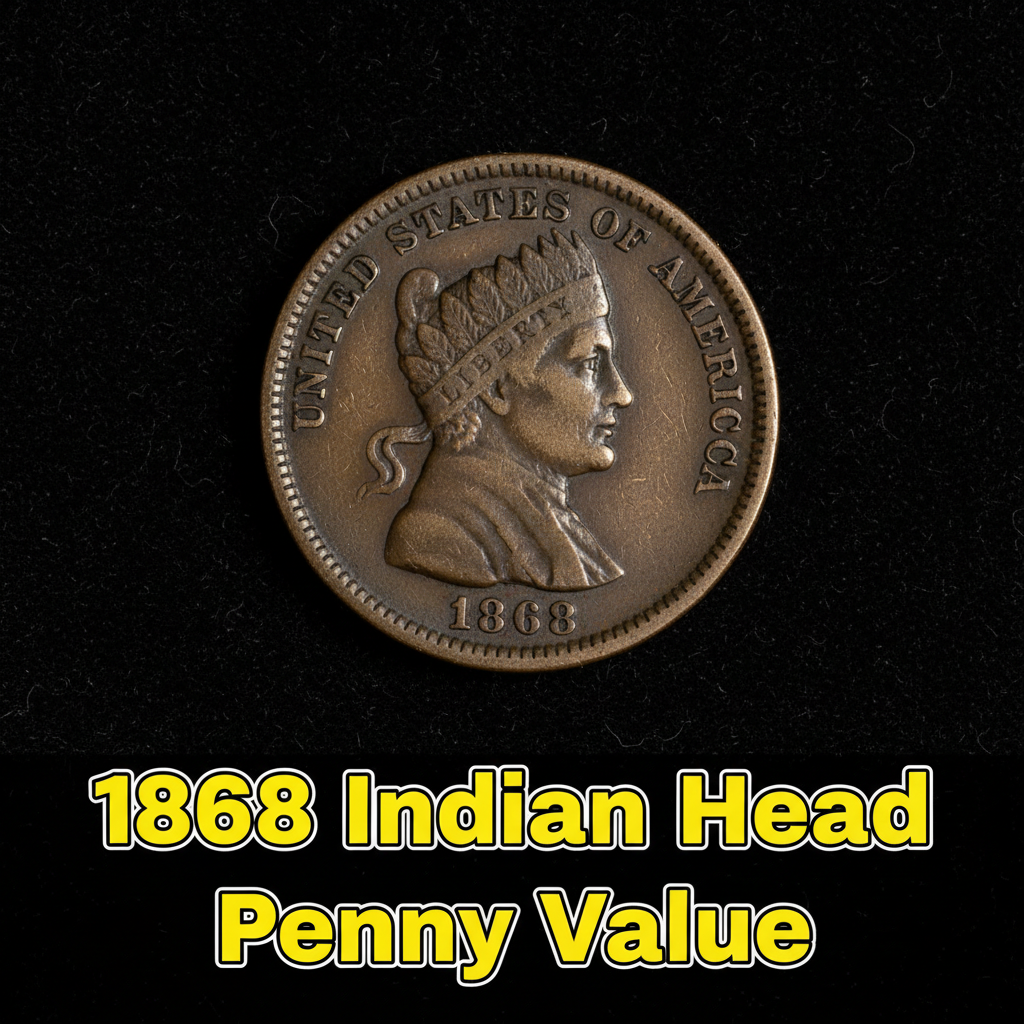
The Indian Head Penny series ran from 1859 to 1909, and the 1868 issue is one of the more interesting dates from the Reconstruction Era. Designed by James B. Longacre, the coin features Lady Liberty wearing a Native American headdress on the obverse and a wreath on the reverse. If you’re not sure exactly what you have in hand, using a free coin identifier app can help you confirm the date, mint mark, and overall details before you start researching value.
The 1868 Indian Head Penny was struck at the Philadelphia Mint with a mintage of approximately 10.2 million coins. While that number sounds high, over 150 years of circulation, loss, and damage have made nice examples surprisingly hard to find. Most coins that survived everyday use are heavily worn, which is why high-grade specimens command real premiums among collectors. CoinKnow is a great tool to help you identify the grade of your coin quickly and accurately from your phone.
—
1868 Indian Head Penny Value by Grade
The condition of your coin — known as its “grade” — is the single biggest factor in determining what it’s worth. Coin grading runs on a scale from Poor (P-1) all the way up to Perfect Mint State (MS-70). Here’s a general breakdown of what the 1868 Indian Head Penny is worth at different grade levels:
| Grade | Description | Estimated Value |
|---|---|---|
| Good (G-4) | Heavy wear, outline visible | $5 – $8 |
| Very Good (VG-8) | Moderate wear, major details clear | $10 – $15 |
| Fine (F-12) | Even wear, all lettering visible | $18 – $25 |
| Very Fine (VF-20) | Light to moderate wear | $30 – $45 |
| Extremely Fine (EF-40) | Slight wear on high points | $60 – $90 |
| About Uncirculated (AU-50) | Trace wear only | $100 – $140 |
| Mint State (MS-63) | Uncirculated, minor blemishes | $200 – $300 |
| Mint State Red (MS-65 RD) | Uncirculated, full original red | $700+ |
For the most up-to-date market data, you can check the latest 1868 Indian Head Penny mint state red pricing across recent auction sales to see what top-grade examples are actually selling for right now.
—
Key Factors That Affect the 1868 Penny’s Worth
Beyond grade, a few other things can significantly impact what your 1868 Indian Head cent is worth on the open market.
Color designation matters a lot for uncirculated examples. Mint state cents are graded as Red (RD), Red-Brown (RB), or Brown (BN). Red coins retain their original copper luster and are the most desirable — and most valuable. A coin that grades MS-65 Red can be worth several times more than the same coin graded MS-65 Brown.
Strike quality is another factor. Some 1868 pennies were struck with weak dies, resulting in soft details on the feathers and ribbon. A sharply struck coin is more attractive and commands better prices.
Cleaning and damage will hurt value dramatically. If someone polished the coin at some point — even with good intentions — collectors will pay far less for it. Look for an unnatural shine or hairline scratches under magnification.
If you want to explore how similar Indian Head pennies from nearby years compare in value, the detailed value breakdown for the 1898 Indian Head Penny offers a great point of comparison for understanding how date, grade, and color all interact.
—
How to Tell If Your 1868 Penny Is Worth Getting Graded
If your coin looks like it’s in nice shape — crisp details, some original color, no major scratches — it might be worth submitting to a professional grading service like PCGS or NGC. These companies will authenticate and encapsulate your coin in a sealed holder with an official grade, which can significantly increase buyer confidence and resale value.
A rough rule of thumb: if your 1868 Indian Head Penny looks like it might grade AU-50 or better, professional grading is probably worth the cost. For circulated coins in Good to Fine condition, the grading fees typically exceed the coin’s value.
Not sure what grade your coin might be? CoinKnow lets you photograph your coin and get an instant AI-powered grade estimate, which can help you decide whether professional grading makes financial sense before spending the money.
—
FAQ
Q: Is the 1868 Indian Head Penny rare?
A: It’s not considered rare in circulated grades, but it’s certainly not common in high grades. The 10.2 million mintage sounds large, but the vast majority of surviving examples are heavily worn. Nice uncirculated examples, especially in red, are genuinely scarce and sought after by collectors.
Q: What does the “no mint mark” mean on my 1868 penny?
A: All 1868 Indian Head Pennies were produced at the Philadelphia Mint, which did not use a mint mark on cents at that time. So the absence of a mint mark is completely normal and expected — it doesn’t affect the value one way or the other.
Q: Where is the best place to sell my 1868 Indian Head Penny?
A: For circulated examples, eBay and local coin shops are practical options. For higher-grade pieces, auction houses like Heritage Auctions or Stack’s Bowers will reach serious collectors and typically yield better prices. Always get a few quotes before selling, and consider using CoinKnow to understand what your coin is worth before walking into any shop.