1922 No D Strong Reverse Wheat Penny Value Guide How Much Is It Really Worth
The 1922 No D Strong Reverse Wheat Penny is worth anywhere from $500 in heavily worn condition to well over $10,000 in higher mint state grades. If you found one of these in an old coin jar or inherited collection, you may be holding something truly special.
If you’re not sure exactly what you have, a free coin identifier app can help you get a quick look at the coin’s features before you take it to a dealer. Once you suspect you might have a 1922 No D Strong Reverse, it’s worth learning everything you can about this rare and fascinating Lincoln wheat cent. Tools like CoinKnow make it easy for everyday collectors to snap a photo and get instant details about their coin’s variety and approximate value.
—
What Makes the 1922 No D Strong Reverse So Special
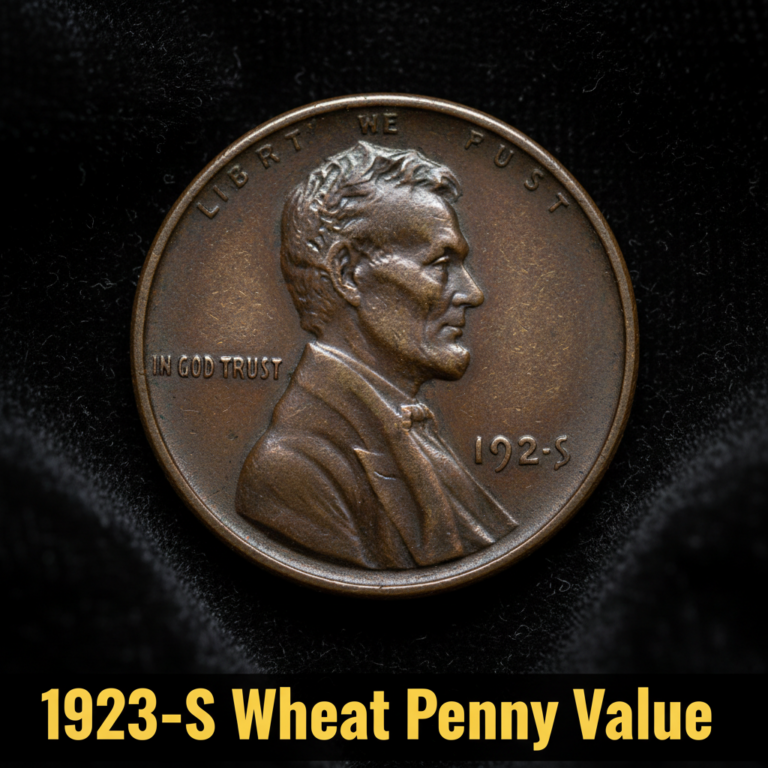
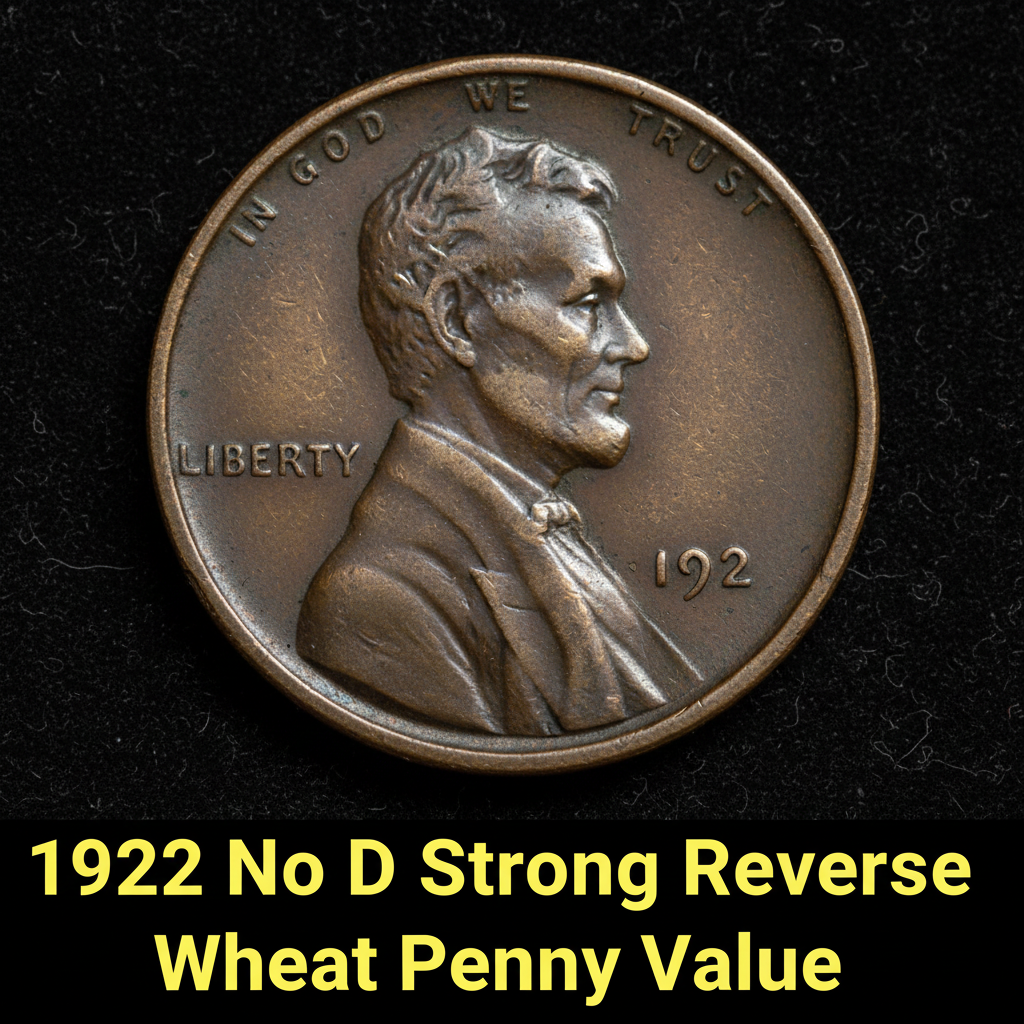
The 1922 Lincoln Wheat Penny has a fascinating backstory. In 1922, the Philadelphia Mint did not produce Lincoln cents — all cents that year were supposed to come from the Denver Mint and carry a “D” mintmark. However, some of the working dies became so worn and over-polished during the minting process that the “D” mintmark was nearly or completely obliterated on the final coins.
Numismatists classify these coins into three die pairs. The most desirable of all is the “Strong Reverse” variety, officially known as Die Pair 2. On these coins, the obverse (front) shows a very weak or missing “D” mintmark, while the reverse (back) retains sharp, clear design details. This combination of a missing mintmark and a strong reverse is what collectors prize most. It’s the gold standard of 1922 no-mintmark cents, and it commands significantly higher prices than the other varieties.
—
1922 No D Strong Reverse Value by Grade
The value of a 1922 No D Strong Reverse Wheat Penny depends heavily on its condition, or grade. Even in well-worn grades, these coins sell for hundreds of dollars. As the grade climbs toward mint state, values can reach five figures.
Here’s a general breakdown of approximate market values:
| Grade | Estimated Value |
|---|---|
| Good (G-4) | $500 – $700 |
| Very Fine (VF-20) | $1,500 – $2,500 |
| Extremely Fine (EF-40) | $3,000 – $5,000 |
| About Uncirculated (AU-55) | $6,000 – $8,500 |
| Mint State (MS-60+) | $10,000 and up |
For more detailed and up-to-date 1922 wheat penny price data across mint state grades, it’s a good idea to cross-reference multiple sources before buying or selling.
—
How to Tell If You Have the Strong Reverse Variety
Not every 1922 penny missing its “D” mintmark is a Strong Reverse. There are actually three recognized die pairs, and they are not created equal in terms of rarity or value. The Strong Reverse (Die Pair 2) is identifiable by two key features: the obverse shows a noticeably weak or absent mintmark, AND the reverse details — including the wheat stalks, ONE CENT lettering, and UNITED STATES OF AMERICA — are sharp and well-defined.
The Weak Reverse variety (Die Pair 3) shows a missing mintmark but also has a soft, mushy reverse. That version is worth considerably less. You’ll want to study both sides under good lighting or a magnifying glass. CoinKnow is a great starting point if you want to compare your coin’s reverse against known die pair examples right from your phone.
Authentication by a professional grading service like PCGS or NGC is strongly recommended for any coin you believe might be the Strong Reverse variety. A certified, slabbed example will always command the best prices at auction.
—
Where to Buy or Sell a 1922 No D Strong Reverse Cent
If you’re looking to sell, the best venues for a coin this rare are major auction houses like Heritage Auctions or Stack’s Bowers, where serious collectors actively compete. eBay is another option, but certified coins always perform better there. If you’re buying, make sure any coin labeled “1922 No D Strong Reverse” comes with PCGS or NGC certification — counterfeits and misidentified examples do exist.
For a broader picture of what the 1922 penny is worth across all its varieties and conditions, researching recent sold prices alongside professional appraisals gives you the most accurate picture of current market value. Whether you’re buying or selling, knowledge is everything — and CoinKnow can give you a solid head start before you walk into any coin shop.
—
FAQ
Q: How do I know if my 1922 penny is really missing the D mintmark or if it’s just worn off?
A: Look carefully at the area just below the date on the obverse. On a genuine 1922 No D coin, the mintmark area appears flat or faintly ghosted due to die polishing — not just scratched or rubbed away like on a worn coin. A loupe or magnifier helps. When in doubt, send it to PCGS or NGC for authentication.
Q: Is the 1922 No D Strong Reverse the rarest Lincoln cent ever made?
A: It’s one of the most famous rarities in the entire Lincoln cent series. While the 1909-S VDB and 1914-D are also highly sought after, the 1922 No D Strong Reverse is unique because it’s a mint error variety rather than simply a low-mintage coin. Its combination of scarcity and dramatic visual interest makes it a true trophy piece.
Q: Can a 1922 wheat penny without a mintmark be worth less than the Strong Reverse?
A: Absolutely. The Weak Reverse (Die Pair 3) version of the 1922 no-mintmark cent is significantly less valuable. In Good condition it might fetch $100–$300, compared to $500 or more for the Strong Reverse. Proper variety identification — ideally confirmed by a professional grading service — makes all the difference in what your coin is actually worth.