1926-S Wheat Penny Value Guide What It’s Worth and Why Collectors Love It
The 1926-S Wheat Penny is worth anywhere from $2 in heavily worn condition to well over $500 in higher uncirculated grades — and rare examples in top mint state can fetch thousands at auction. If you recently found one of these old Lincoln cents in a jar, drawer, or inherited collection, you’re in the right place.
—
What Makes the 1926-S Wheat Penny Special
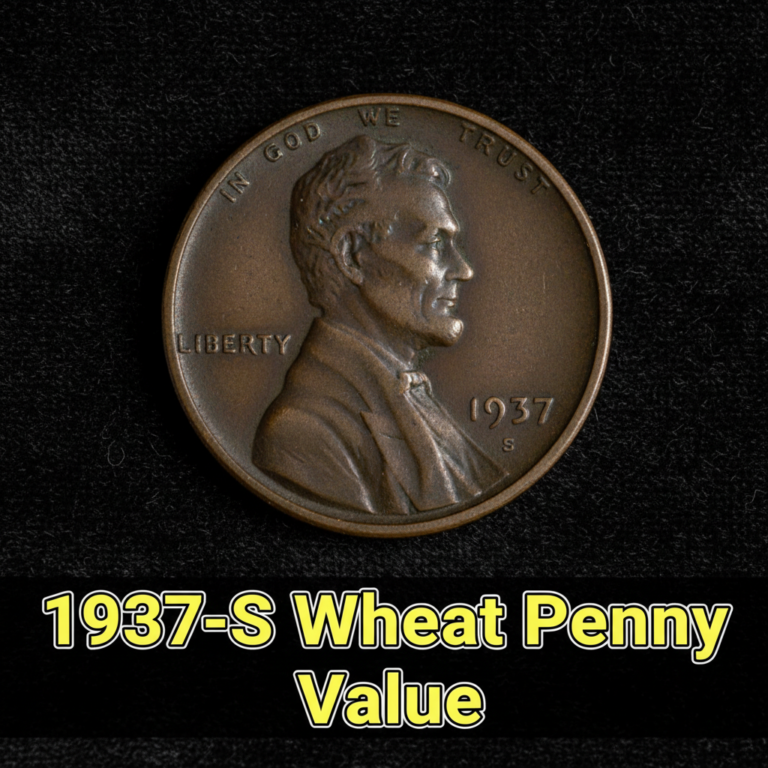
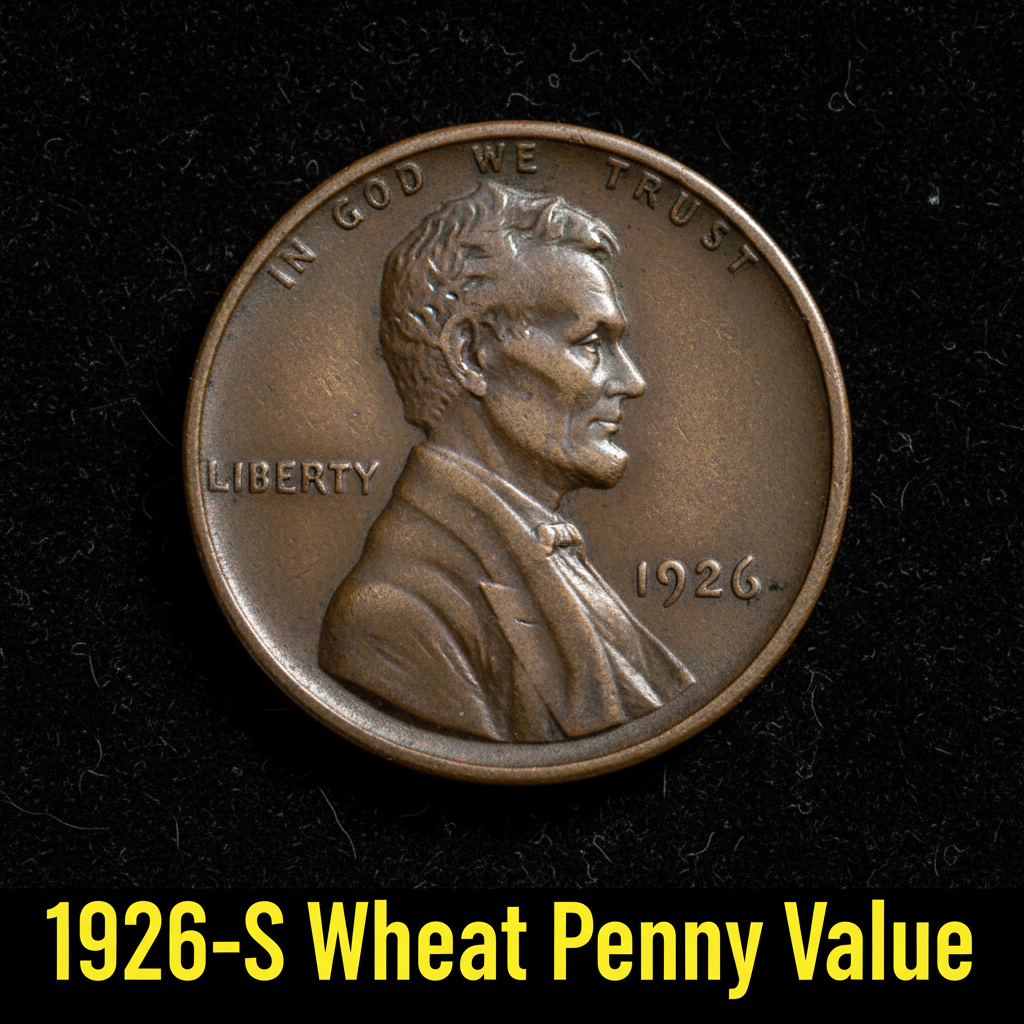
The 1926-S Lincoln Wheat Penny was struck at the San Francisco Mint, identified by the small “S” mintmark just below the date on the obverse. While 1926 was a fairly active year for penny production overall, the San Francisco facility produced only about 4,550,000 coins — a relatively modest mintage compared to the Philadelphia issue. That lower production number is one of the main reasons collectors pay close attention to this particular coin.
If you’re not sure which mint your penny came from, or if you’re not certain it’s even a Wheat Penny, using a free coin identifier app can help you quickly identify the coin from a photo right on your smartphone. Tools like CoinKnow are especially popular for exactly this purpose — snap a picture, and the app walks you through the details in seconds.
The combination of low mintage, age, and historical significance of the Lincoln Wheat Penny series makes the 1926-S a key date worth knowing about.
—
1926-S Wheat Penny Value by Grade
Coin value depends heavily on condition, also called “grade.” A coin that’s been in circulation for decades will show wear on Lincoln’s cheek, hair, and the wheat stalks on the reverse. An uncirculated coin, one that was never spent, retains its original luster and sharp details.
Here’s a general value breakdown for the 1926-S Wheat Penny:
| Grade | Description | Estimated Value |
|---|---|---|
| Good (G-4) | Heavy wear, design visible | $2 – $5 |
| Fine (F-12) | Moderate wear, details clearer | $10 – $20 |
| Extremely Fine (EF-40) | Light wear on high points | $50 – $100 |
| About Uncirculated (AU-55) | Slight wear, most luster remains | $150 – $300 |
| Mint State (MS-63+) | No wear, original mint luster | $500 – $2,000+ |
For a deeper look at how auction records and certified grades affect pricing, you can check out detailed 1926-S Wheat Penny price data across mint state grades to see how the numbers shift as condition improves.
—
How to Identify Your 1926-S Penny
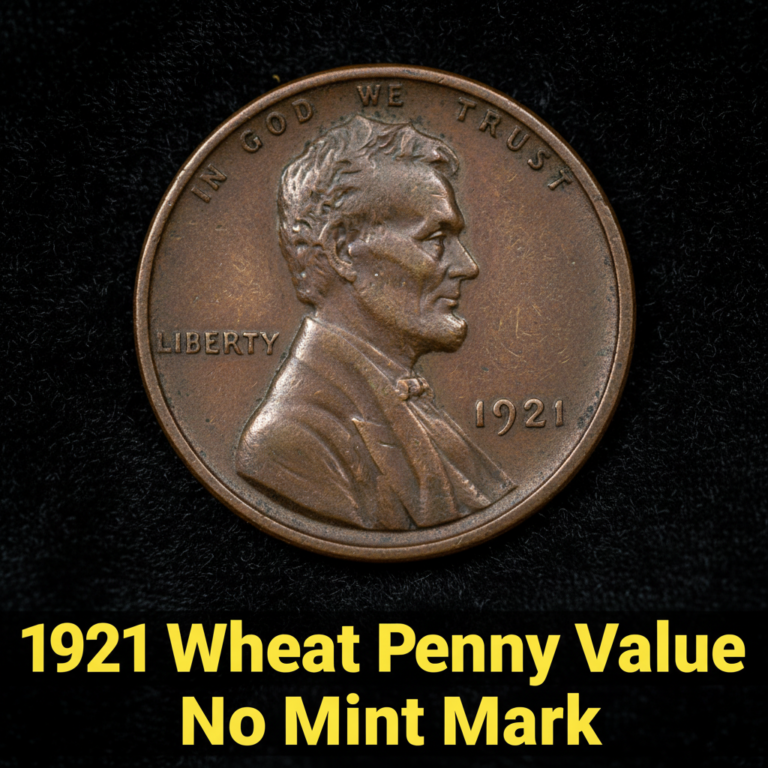
Identifying a 1926-S Wheat Penny is straightforward once you know what to look for. Flip the coin to the front — the obverse — and look below the “1926” date. If you see a small letter “S,” you have the San Francisco issue. No mintmark means it came from Philadelphia, and a “D” means Denver.
Next, examine the overall condition. Hold the coin under a good light and tilt it slightly. Does Lincoln’s portrait show sharp cheekbones and clear hair detail? Do the wheat stalks on the back show clean, separated lines? The more detail you see, the higher the grade — and the higher the potential value.
Color also plays a role in mint state coins. Red (RD) examples with original copper luster are worth significantly more than brown (BN) examples that have toned over the years.
—
Errors and Varieties That Can Boost Value
Like many coins from the early twentieth century, some 1926-S Wheat Pennies were struck with minor errors or die varieties. Doubled die obverse errors, where the lettering or date shows slight doubling, can add a meaningful premium to the coin’s value. Off-center strikes and repunched mintmarks are other things to look for.
These error coins are rare, but they’re real — and they can sometimes turn a $10 coin into a $200+ coin practically overnight. CoinKnow is a great tool here too, because the app includes variety and error reference data to help you compare your coin against known examples.
For a comprehensive overview of 1926 penny values including all mint marks and error varieties, it’s worth bookmarking a reliable reference before you decide to sell or have your coin professionally graded.
—
Should You Get Your 1926-S Wheat Penny Graded?
Professional grading through a service like PCGS or NGC can add credibility — and real dollar value — to your coin. This is especially worth considering if your 1926-S appears to be in About Uncirculated or better condition. The cost of grading typically starts around $30 to $50 per coin, so it makes financial sense once your coin is likely worth $150 or more.
If you’re on the fence, apps like CoinKnow can give you a quick ballpark assessment before you commit to sending it in. Most experienced collectors recommend professional grading for any key date penny that looks clean and well-preserved.
—
FAQ
Q: Is the 1926-S Wheat Penny a key date?
A: Yes, the 1926-S is considered a semi-key date in the Lincoln Wheat Penny series. Its relatively low mintage of around 4.5 million coins makes it more scarce and desirable than many other years, especially in higher grades.
Q: How do I know if my 1926 penny is worth getting cleaned?
A: Don’t clean it. Cleaning a coin almost always reduces its value in the eyes of collectors and grading services. Even light polishing can strip luster and leave hairline scratches that drop a coin’s grade significantly. Leave it as-is and consult a professional if you’re unsure.
Q: Where can I sell a 1926-S Wheat Penny?
A: Options include online auction platforms like eBay, coin dealer shops, and coin shows. For higher-value examples, auction houses that specialize in numismatics often get the best results. If your coin is certified by PCGS or NGC, it will generally sell faster and at stronger prices regardless of the venue.