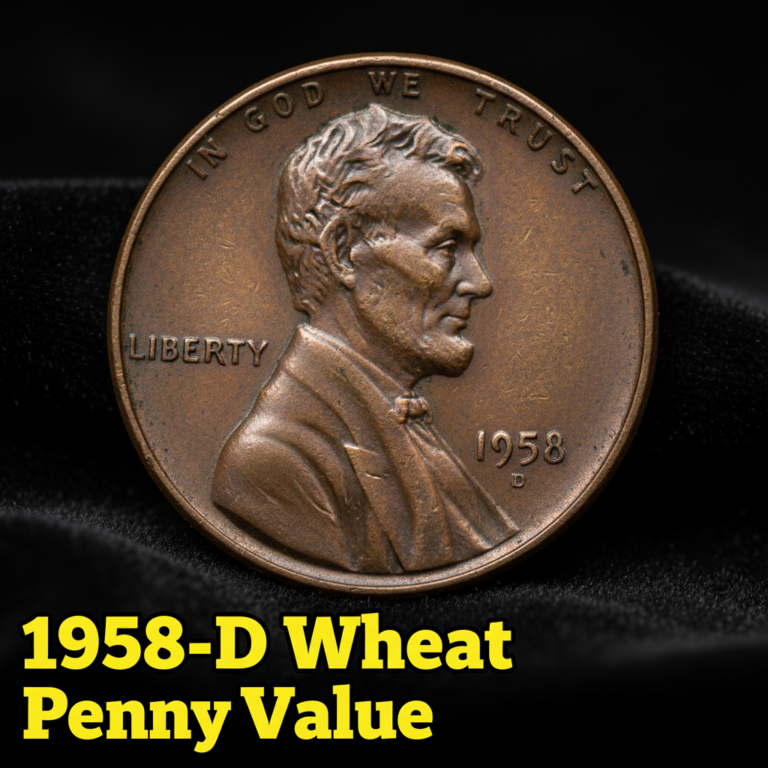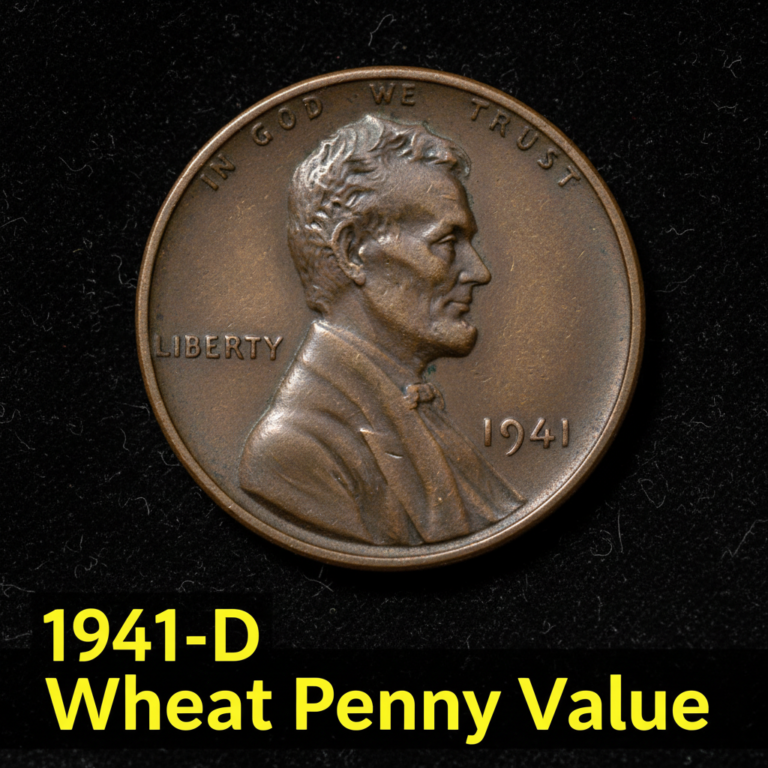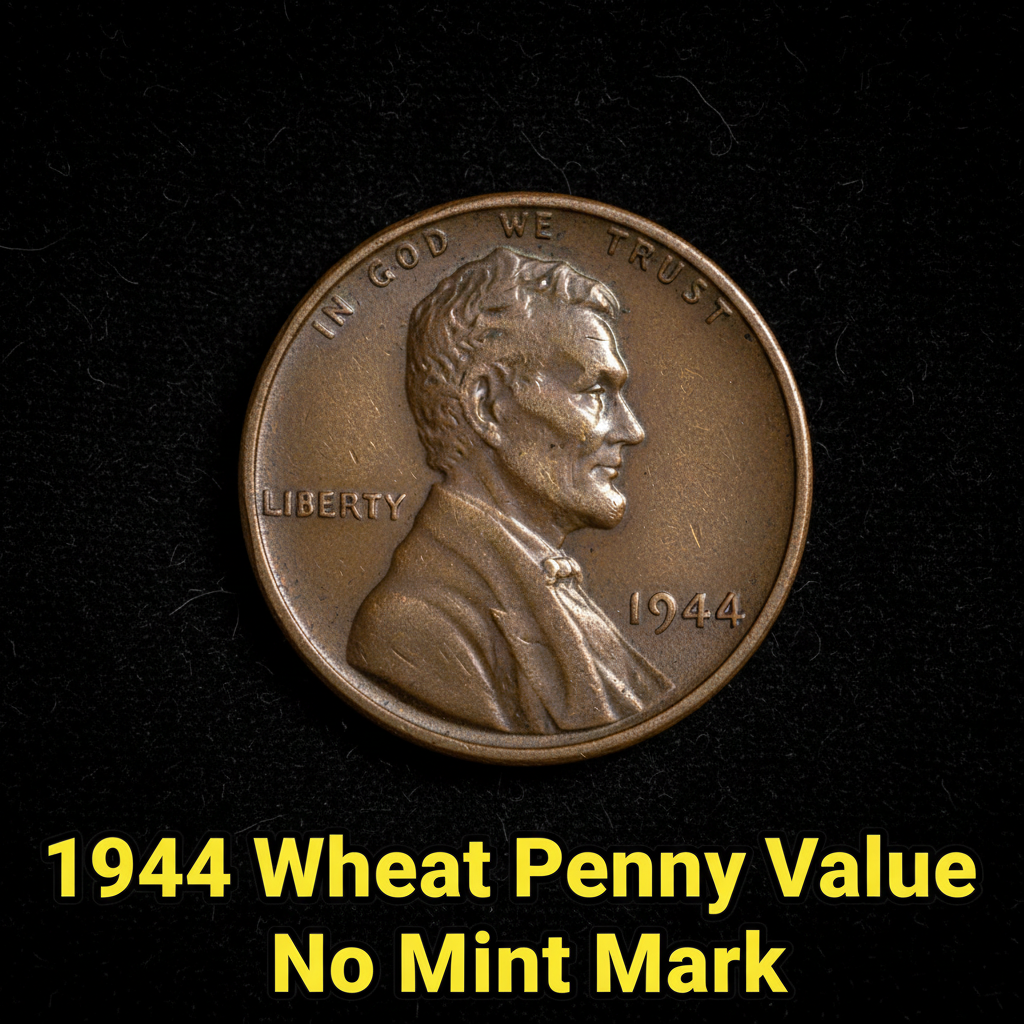
1944 Wheat Penny Value No Mint Mark and What It Could Be Worth Today
If you’ve stumbled across a 1944 wheat penny with no mint mark, you’re holding a piece of American history that’s worth anywhere from $0.10 in heavily worn condition to over $8 or more in uncirculated grades — and a few rare errors can push that number much higher.
What Is the 1944 No Mint Mark Wheat Penny?
The 1944 Lincoln Wheat Penny with no mint mark was struck at the Philadelphia Mint, which traditionally did not stamp a mint mark on its coins. That year, the Philadelphia facility produced over 1.4 billion Lincoln cents — one of the highest mintage figures in U.S. history. Because so many were made, most circulated examples are relatively common and affordable. However, condition is everything when it comes to coin values. If you’re not sure what you’ve got, using a free coin identifier app can help you quickly figure out the coin’s details, grade, and potential value before you take it to a dealer. Tools like CoinKnow make the identification process fast and easy — just snap a photo and get an instant estimate right from your phone.
1944 Wheat Penny No Mint Mark Value by Grade
The value of your 1944 wheat penny depends heavily on its condition, also known as its grade. Circulated coins that have been in pockets and cash registers for decades will show wear on Lincoln’s cheek, hair, and the wheat stalks on the reverse. Uncirculated coins that were set aside soon after minting can still have their original red luster and sharp details — and those command a real premium.
Here’s a general breakdown of 1944 no mint mark wheat penny values across different grades:
| Grade | Description | Estimated Value |
|---|---|---|
| Good (G-4) | Heavy wear, details visible | $0.10 – $0.25 |
| Fine (F-12) | Moderate wear, clear lettering | $0.25 – $0.50 |
| Extremely Fine (EF-40) | Light wear on high points | $1.00 – $2.00 |
| About Uncirculated (AU-55) | Slight friction, nearly full luster | $2.00 – $4.00 |
| MS-63 Red | Uncirculated, bright red luster | $5.00 – $8.00 |
| MS-65 Red | Gem uncirculated, full red | $15.00 – $25.00+ |
The 1944 Steel Penny Error — A Hidden Treasure
Here’s where things get exciting. In 1943, the U.S. Mint switched to steel pennies due to copper shortages during World War II. By 1944, they went back to copper. But a small number of steel planchets (blanks) from 1943 accidentally got mixed in with the 1944 production. The result? The 1944 steel wheat penny — one of the most famous and valuable error coins in American history. A genuine 1944 steel cent in good condition can sell for $75,000 to over $100,000 at major auctions. To check if your coin is steel, hold a magnet near it — copper coins won’t stick, but steel ones will. If yours sticks, get it authenticated immediately.
How to Check Your 1944 Wheat Penny’s Value at Home
You don’t need to be a coin expert to get a solid idea of what your 1944 wheat penny is worth. Start by examining the coin under good lighting. Look for strong details in Lincoln’s portrait — especially the hair above his ear and the bowtie at the base of his neck. Check the reverse for sharp wheat stalks. Then compare what you see to grading images online. For a more detailed look at the full 1944 wheat penny value guide including mint marks and error varieties, there are some excellent resources available. You can also use CoinKnow to scan your coin and get an on-the-spot value estimate — it’s one of the most reliable tools available for everyday collectors and curious finders alike.
Is It Worth Selling Your 1944 No Mint Mark Penny?
For most worn examples, the 1944 wheat penny with no mint mark is a great coin to keep for its historical charm rather than its cash value. That said, if you have a roll of them or several in nicer condition, it might be worth bundling them for sale on platforms like eBay or taking them to a local coin show. Dealers will generally pay around 60–70% of retail value. High-grade examples — especially MS-65 red or better — are worth submitting to PCGS or NGC for professional grading, as a certified coin often sells for significantly more. And if you think you might have an error coin, don’t wait — get it checked. CoinKnow is a great first step before investing in a professional grading service.
Frequently Asked Questions
Q: How do I know if my 1944 penny has no mint mark?
A: Look at the obverse (heads side) of the coin, just below the date. If there’s no letter there, it was made in Philadelphia and has no mint mark. A “D” means Denver, and an “S” means San Francisco.
Q: Is a 1944 wheat penny with no mint mark rare?
A: No, it’s one of the most common wheat pennies ever made. Over 1.4 billion were produced in Philadelphia alone. The exception is the 1944 steel cent error, which is extremely rare and highly valuable.
Q: What’s the most I could get for a 1944 no mint mark wheat penny?
A: For a regular copper coin in the best uncirculated condition (MS-67 Red), values can reach $100 or more. But for a genuine 1944 steel error coin, prices can exceed $100,000 at auction.