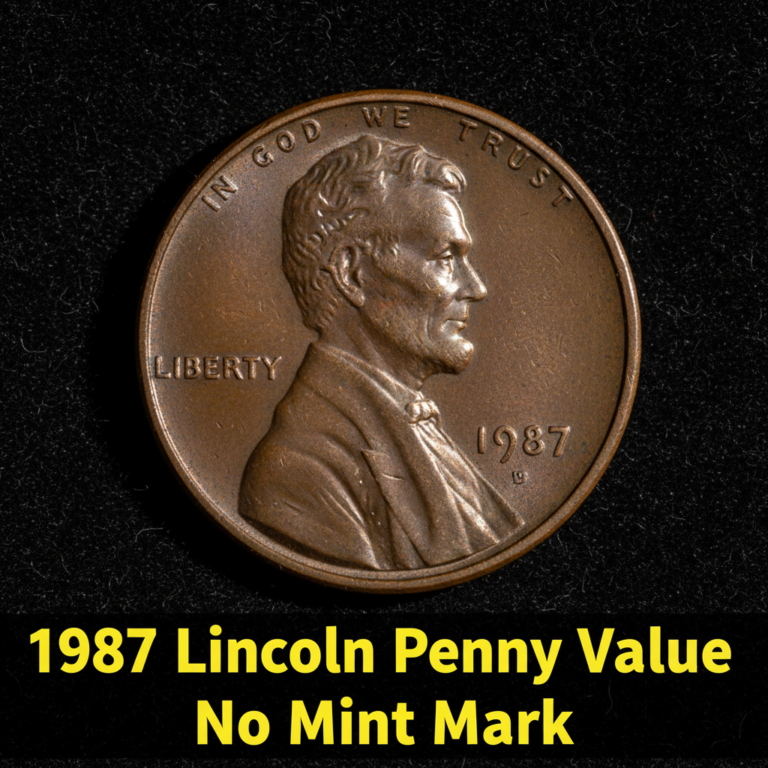
1966 Lincoln Penny Value No Mint Mark What It’s Worth and Why Collectors Care
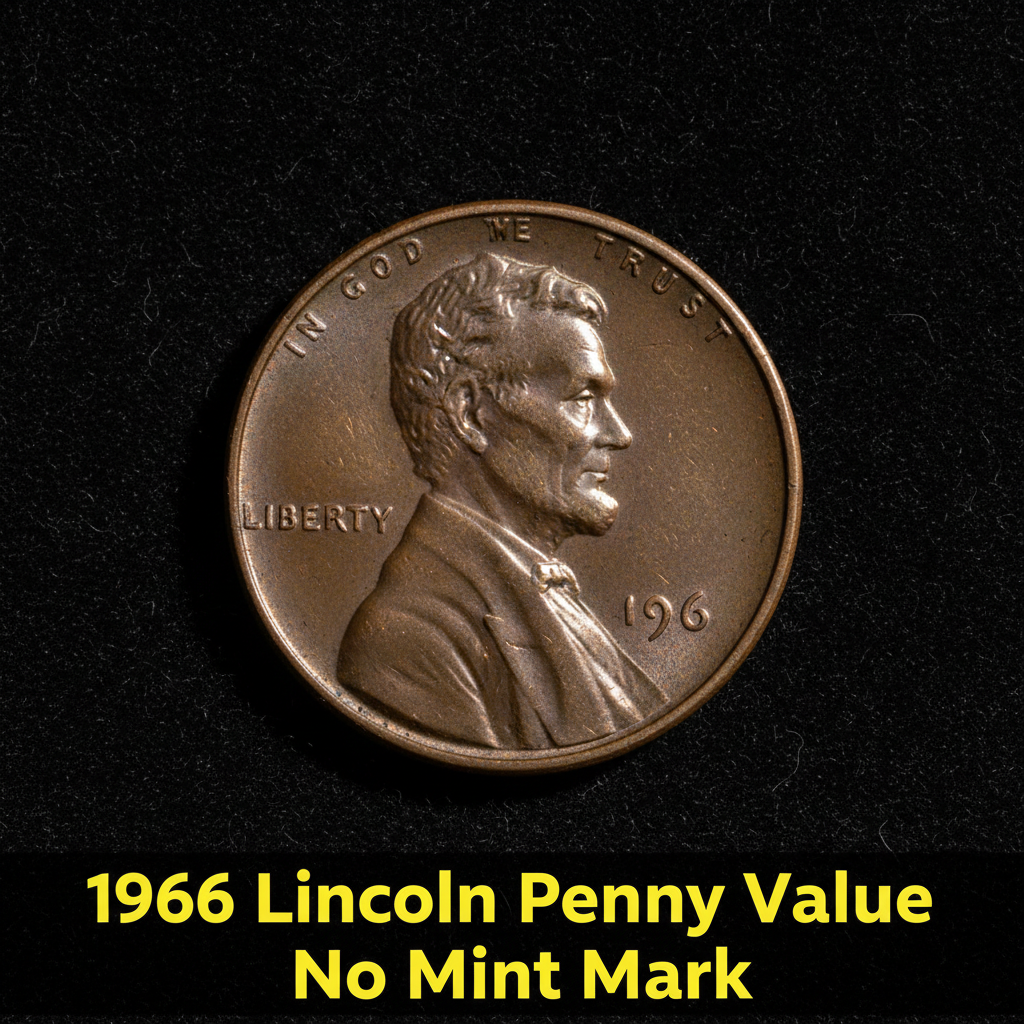
The 1966 Lincoln Penny with no mint mark is worth anywhere from a few cents in heavily circulated condition to $10 or more in mint state, with rare doubled die varieties reaching hundreds of dollars. If you found one of these coins in your change jar or coin collection, you’re in the right place to find out exactly what it’s worth.
Before we dive in, if you’re holding a coin and aren’t sure what you’ve got, try using a free coin identifier app to help you figure out the date, mint mark, and condition before looking up its value. It can save you a lot of guesswork. CoinKnow is one of the most popular tools coin finders use today — it gives you a quick identification and value estimate right from your smartphone.
—
Why the 1966 Lincoln Penny Has No Mint Mark
If you’re looking at your 1966 penny and wondering why there’s no mint mark, don’t worry — that’s completely normal. In 1965, the U.S. Mint made a deliberate decision to remove mint marks from all coins for three years, from 1965 through 1967. This was done during a nationwide coin shortage when the government feared that collectors were hoarding coins with different mint marks, pulling them out of circulation.
So every single 1966 penny — whether it was made in Philadelphia, Denver, or San Francisco — was struck without a mint mark. This means the absence of a mint mark isn’t a rare error on your coin. It’s standard for this year. Millions of these pennies were produced, which is one reason most circulated examples are not particularly valuable. However, condition, strike quality, and certain varieties can change the picture dramatically.
—
How Much Is a 1966 Lincoln Penny Worth?
For most people who find a 1966 penny in average circulated condition, the coin is worth its face value — one cent — or slightly above that. Collectors typically don’t pay a premium for worn examples. But once you move into uncirculated territory, the value starts to climb.
Here’s a quick look at estimated values based on condition:
| Condition | Estimated Value |
|---|---|
| Good (G-4) | $0.01 – $0.05 |
| Fine (F-12) | $0.05 – $0.10 |
| Extremely Fine (EF-40) | $0.25 – $0.75 |
| Uncirculated (MS-63) | $1.00 – $5.00 |
| Gem Uncirculated (MS-65) | $5.00 – $15.00 |
| Doubled Die Variety (MS) | $100 – $500+ |
For a deeper look at the full 1966 penny value breakdown by grade and variety, including photos to help you match your coin’s condition, it’s worth checking a dedicated coin price resource.
—
The 1966 Doubled Die Penny — A Hidden Treasure
Here’s where things get exciting. Some 1966 Lincoln pennies were struck with a doubled die obverse or reverse error, meaning the design was impressed onto the die more than once at a slightly different angle. The result is a coin where details like the date, lettering, or Lincoln’s portrait appear to have a shadow or slight doubling.
One of the most notable examples is the 1966 Lincoln Penny DDR FS-801 doubled die reverse in MS Red grades, which has sold for well over $100 in top condition. Serious variety collectors actively hunt for this coin, and finding one in your pocket change would be a genuine score.
To check for doubling, use a 5x or 10x magnifying loupe and look closely at the inscription “IN GOD WE TRUST,” the date, and Lincoln’s eye. If you see clear separation between letters or numbers rather than just a blur, you might have something special. CoinKnow can help you compare your coin against known doubled die varieties to see if yours matches.
—
Tips for Selling or Grading Your 1966 Penny
If you believe you’ve found a high-grade or variety 1966 Lincoln penny, there are a few smart steps to take before selling. First, don’t clean the coin. Cleaning reduces value significantly and can turn a $50 coin into a $5 coin instantly. Second, consider sending it to a third-party grading service like PCGS or NGC if you think it might be an uncirculated specimen or a doubled die variety. Professional grading adds credibility and can dramatically increase the selling price.
For everyday coins in average shape, online platforms like eBay, local coin shows, and coin dealers are reasonable options. You won’t get rich from a common circulated 1966 penny, but if you’re sitting on a roll or a bag of them in gem condition, the cumulative value adds up. Using CoinKnow before you sell gives you a current market snapshot so you’re not leaving money on the table.
—
FAQ
Q: Is the 1966 Lincoln penny rare?
A: In general, no. Over five billion 1966 pennies were minted, making them very common in circulated grades. However, gem uncirculated examples and doubled die varieties are genuinely scarce and worth seeking out.
Q: Why does my 1966 penny have no mint mark — is it an error?
A: No, it’s not an error. The U.S. Mint deliberately removed mint marks from all coins between 1965 and 1967 due to a coin shortage. Every 1966 penny was made without a mint mark, regardless of where it was produced.
Q: What is the most valuable 1966 Lincoln penny?
A: The most valuable examples are gem uncirculated red specimens graded MS-67 or higher, and coins with verified doubled die errors. These can sell for anywhere from $100 to several hundred dollars depending on the grade and specific variety.